
Over the past several years, Artificial Intelligence has shifted from an emerging technology to one of the most influential forces in the financial markets. Tech companies such as Nvidia, Microsoft, Google, and Amazon have invested billions of dollars in developing AI technology, while investors have poured capital into up-and-coming tech businesses they believe will benefit from its growth. The excitement around AI has fueled enormous investment opportunities, but if these companies don’t pan out as investors hope, it could create an AI bubble that eventually bursts.
To understand this concept better, let’s look back at the dot-com bubble in the late 1990s. As with today, new technology led major investors to become extremely optimistic about its potential. Tech companies saw massive stock price gains despite having no clear path to profitability. When investor expectations exceeded what these tech companies could deliver, the market crashed. Today, we’re seeing similarities between that period and what we’re experiencing in today’s AI Boom.
The immense scale of investment pouring into AI is hard to ignore. Approximately $581.7 billion in investments poured into tech companies in 2025, with projections for 2026 expected to reach upwards of trillions. These numbers are on a trajectory that is almost unfathomable for future years, reinforcing the belief that AI will become an essential asset for businesses across all industries.
Rapid demand for AI infrastructure is a key reason towards profitability for these major companies. In Nvidia’s fiscal fourth quarter in 2026, it reported $68.1 billion in revenue. This surge represents a 73% increase from the same quarter last year. While Nvidia’s performance is extremely impressive, it doesn’t automatically mean its stock is fairly valued. If expectations for Nvidia continue to rise, prices will rise with them, but these numbers can become disconnected from the business and its financial performance.
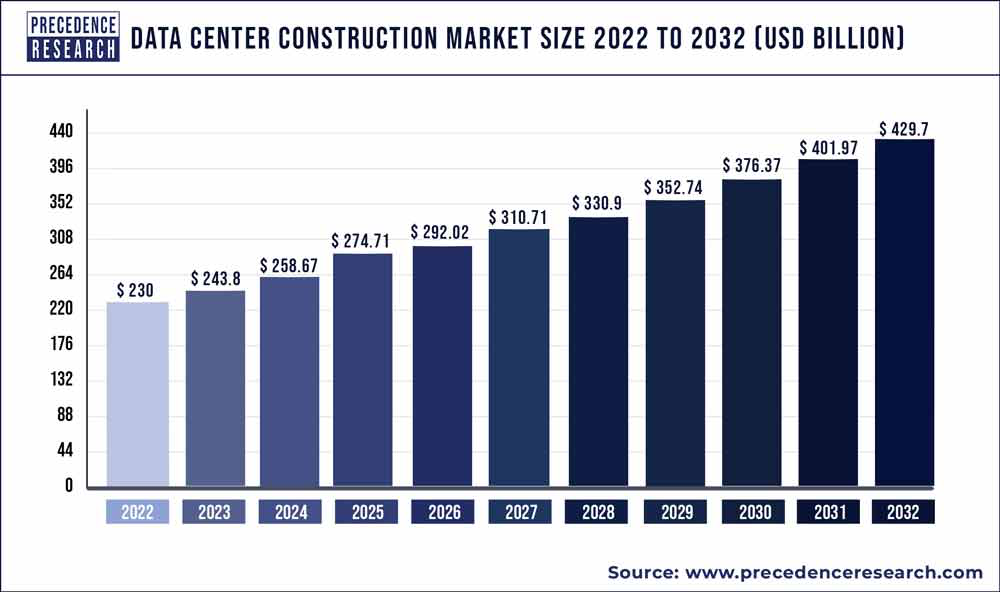
Major concerns about the AI bubble stem from the immense cost of building and operating data centers, buying specialized computer chips, and continuing to develop advanced AI models. These investments require significant capital that these tech companies have for now, but they are betting that AI demand will continue to grow at an exceptional rate.
Despite these concerns, comparing our current state of AI directly to the dot-com bubble overlooks a few ideas. Right now, AI is one of the most sustainable and profitable businesses in the entire financial industry. Nvidia’s year-over-year performance shows that demand for AI is supported by devoted consumers and significant commercial activity. There are also many industries that AI either hasn’t fully reached or is just dipping its toes into, which, if it finds its place in those industries, could completely shift how they operate and cause immense growth and streamlining.
Ultimately, while AI presents investors with an attractive financial opportunity, it also raises concerns about significant future financial risk. The technology could shift how the global economy operates, but that doesn’t mean every company associated with it will succeed or that its stock is fairly valued. AI and investors need to answer whether AI’s financial returns can keep up with the enormous investment expectations placed on the technology.