
Earlier today, BP announced that it has sold a 5% stake in Aker BP, a Norwegian oil and gas producer. The sale gives BP about $1.06 billion to strengthen and simplify its balance sheet. For a company of BP’s size, with a market value of $122.16 billion, the deal is modest, but it reveals a lot about BP’s strategy and what is happening in the industry.
BP still owns an 11% stake in Aker BP, a company it helped create in 2016 by merging its Norwegian assets with a Norwegian E&P company. The proceeds from the sale will go toward cutting debt, and BP now expects to raise about $9 billion from asset sales this year, more than $1 billion more than in 2025.
The sale is part of a larger cleanup under BP’s new CEO, Meg O’Neill, who has made cutting debt her top priority. BP has already put its U.K. North Sea assets and its U.S. biogas business up for sale, and the Aker BP deal is another step in the same direction.
The most interesting part of this deal is the timing. Aker BP’s share price has climbed this year because the war in the Middle East pushed oil and gas prices higher. Since the conflict began in February, shipping through the Strait of Hormuz, which carries about 20% of the world’s oil, has been badly disrupted. That made producers outside the Gulf, like those in Norway, much more valuable. Aker BP’s fields sit close to European buyers, and with European gas prices soaring, the company’s earnings have grown.
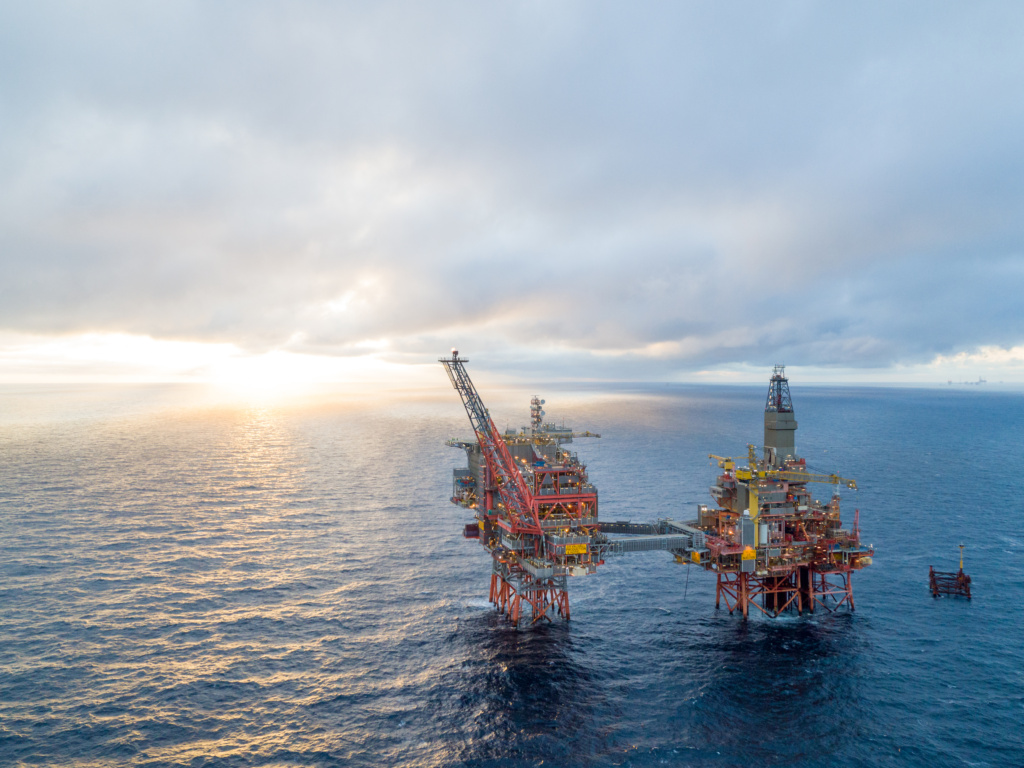
BP sold at a good moment. This week, oil had its biggest one-day drop since April, falling more than 8% as markets bet that the midterm results would push Washington toward ending the war. Aker BP’s stock fell almost 10% on the day of the announcement. Whether it was skill or luck, BP locked in its price before the war premium started to fade.
BP is not the only company benefiting from high prices. Across the industry, the war has given oil and gas companies a wave of extra cash. What stands out is how they are using it. In past oil booms, companies often spent their windfalls on expensive new projects and got hurt when prices fell. This time, they’re focusing on paying down debt and selling off assets that aren’t core to the business. BP is turning a short-term price spike into a stronger long-term balance sheet.
Going forward, there are a few things to watch. If a peace deal fully reopens Hormuz, oil prices could fall further, and the window to sell assets at high prices could close. The sale of BP’s North Sea assets will be a bigger test of what buyers are willing to pay. And if prices stay high, investors will want to see whether BP stays disciplined or goes back to spending big.
For now, BP’s Aker BP sale is small, but it shows how energy companies are handling this moment.