
Over the past decade, the financial industry has undergone a major transformation as consumers increasingly shift away from traditional banks and toward digital financial platforms. One company at the center of this movement is SoFi Technologies, a fintech firm that has evolved from a niche student-loan refinancing startup into one of the fastest-growing digital financial ecosystems in the United States. Through aggressive expansion, technology acquisitions, and a focus on younger consumers, SoFi is attempting to redefine modern banking.
SoFi was founded in 2011 with a relatively narrow mission: helping graduates refinance student loans at lower interest rates. At the time, the company primarily targeted young professionals burdened by student debt who struggled to find attractive refinancing options from traditional banks. By offering competitive rates and a digital-first experience, SoFi quickly gained traction among millennials and Gen Z consumers who preferred mobile financial services over conventional banking institutions. However, SoFi’s leadership soon recognized that long-term success required far more than student lending.
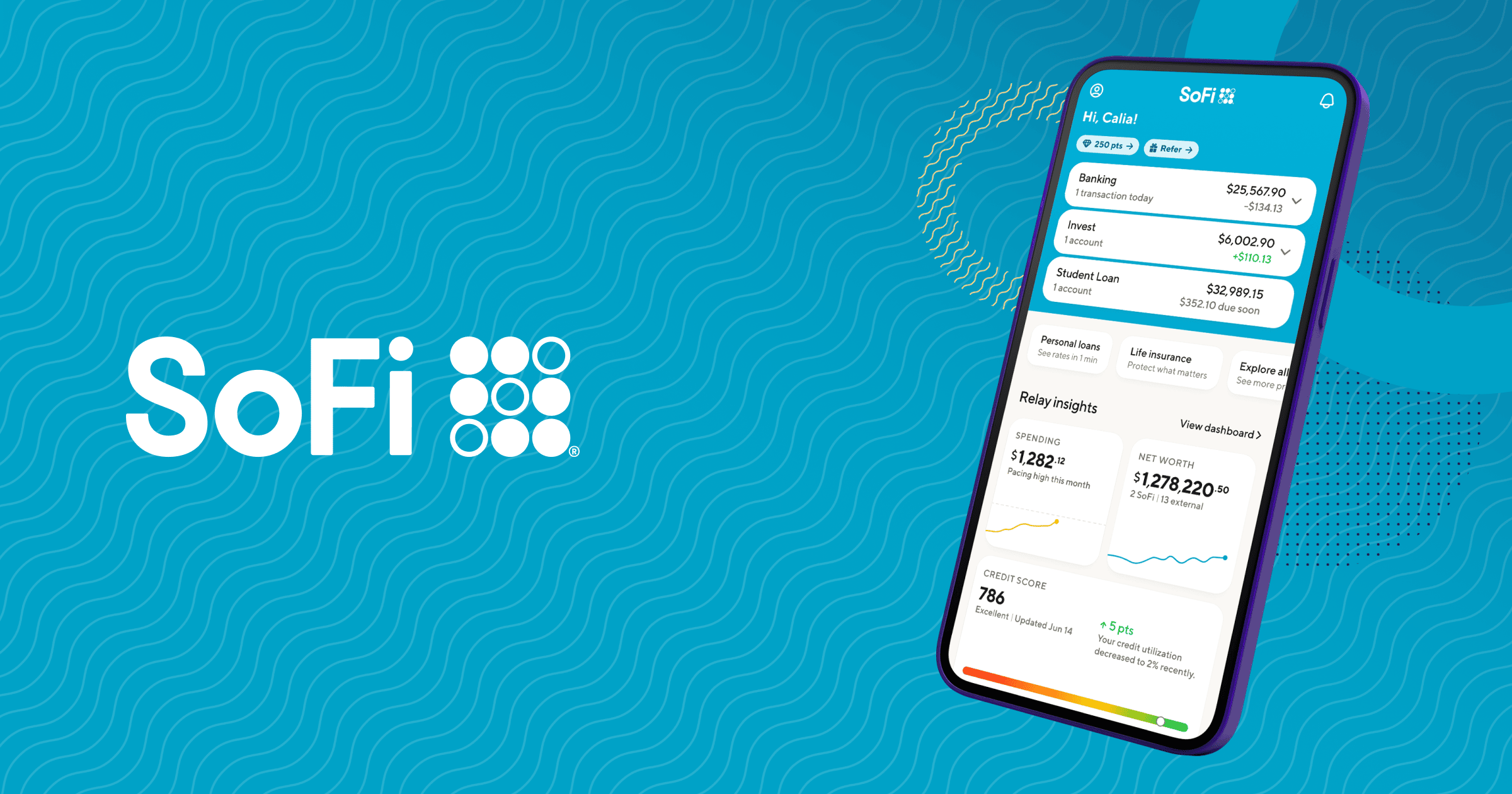
Over time, the company aggressively expanded its product offerings to create a “financial super app.” Today, SoFi provides a wide range of services, including personal loans, mortgages, checking and savings accounts, stock and cryptocurrency investing, insurance, credit cards, and financial planning tools. The goal is to create a centralized financial platform where users can manage nearly every aspect of their financial lives in one place. This diversification strategy is one of the company’s biggest strengths. Traditional banks often rely heavily on legacy systems, physical branches, and fragmented services that can make banking feel outdated and inconvenient. In contrast, SoFi operates almost entirely online, allowing it to offer a streamlined user experience while avoiding many of the overhead costs associated with physical banking infrastructure. As a result, the company can focus heavily on technology, product integration, and customer acquisition.

A major turning point for SoFi occurred in 2022 when the company officially received a national bank charter. This development was extremely significant because it allowed SoFi to operate more like a traditional bank while maintaining its fintech identity. Prior to obtaining its charter, SoFi relied heavily on external banking partners for many of its financial operations. With the charter, the company gained the ability to hold customer deposits directly and to fund loans with those deposits, rather than relying heavily on outside financing.