One of society’s biggest problems right now is powering our ever-growing AI data centers. The AI boom is at its peak, with an estimated $ 1 trillion to be invested in AI this year alone, and growth unlike anything we have ever seen. So how are we going to be able to keep up?
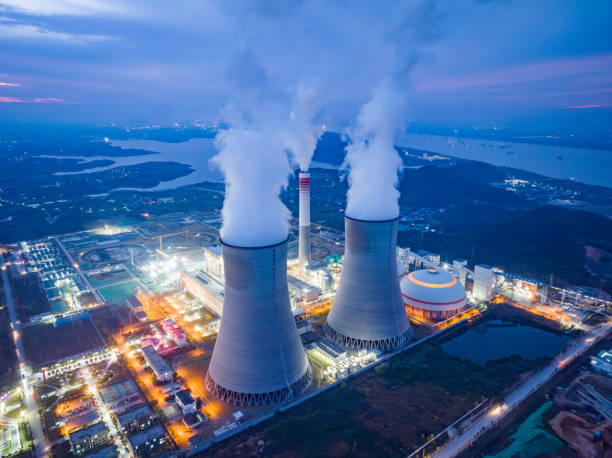
Right now, these plants are on pace to reach 565 terawatt-hours per year, which accounts for 1.5% to 2% of the total worldwide electricity generation, equivalent to the annual energy usage of entire countries, Germany or Japan, for instance. With this much energy demand and heavy reliance on aging nuclear power plants, older energy sources like fossil fuels are not sustainable.
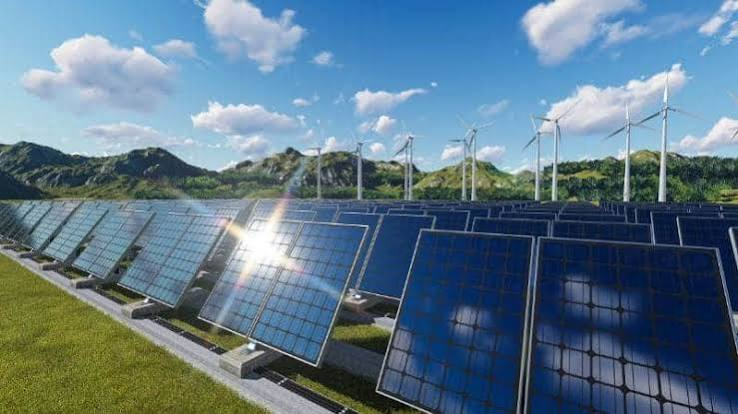
While Small Modular Reactors (SMRs) represent the ultimate long-term solution, they face a fundamental timeline problem: the AI energy demand is doubling today, while commercial SMR deployments remain several years away. To bridge this ‘power gap’ between 2026 and 2030, tech giants must rely on immediate interim solutions. In the short term, hyperscalers are turning to traditional nuclear plant recommissionings, such as the restarts of Three Mile Island (835MW) and Duane Arnold (615MW), alongside fast-ramping natural gas microgrids and utility-scale solar paired with battery storage. Until new nuclear reactors physically connect to the grid, meeting the immediate surge of the AI boom requires a diversified, hybrid energy mix.
Companies are racing to be the first to finalize SMRs, with many starting by investing in major projects like Project Beehive with Valor Atomics, partnering with the DOE (Department of Energy), and increasing funding for further development of Small Modular Reactors (SMRs). Amazon, specifically AWS (Amazon Web Services), is one of the biggest players in this race.
AWS and Constellation announced a major agreement to secure additional nuclear output focused on powering hyperscale cloud and AI workloads, including support for a capacity upgrade at the Calvert Cliffs Nuclear Power Plant in Maryland. It will add roughly 190 MW of new, carbon-free nuclear capacity.
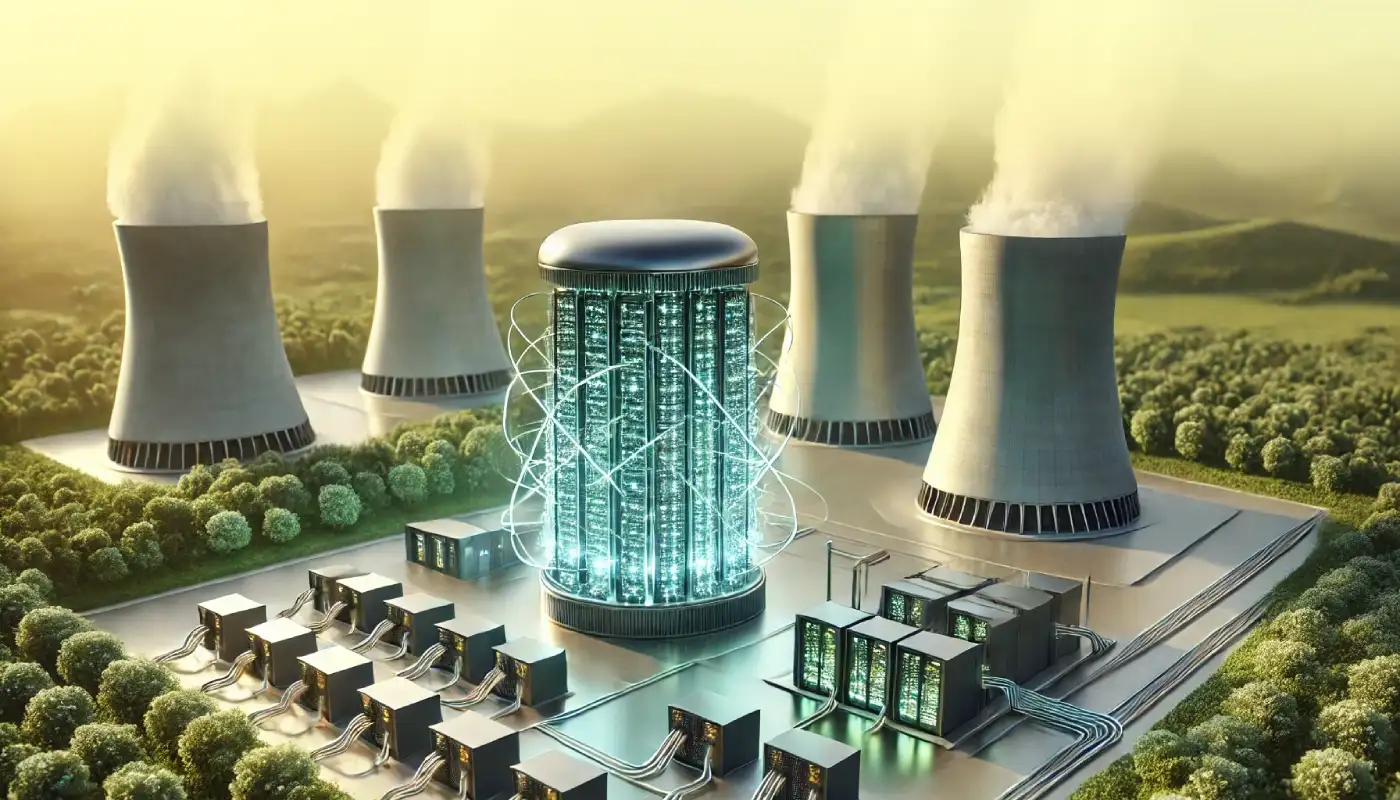
SMRs are the future of energy for the AI industry, as they solve many problems AI itself creates. SMRs are designed to overcome the structural, regulatory, and supply bottlenecks faced by traditional energy infrastructure. They have a smaller physical footprint, which helps us place them near major data center hubs and bypass grid interconnection queues. Nuclear reactor costs are very high right now, but SMRs are designed to be factory-built rather than the traditional mega-projects they once were. Lastly, they provide uninterrupted, 24/7 zero-carbon power, so they don’t require battery technology, which supports continuous AI model training.
SMRs are the most promising long-term framework for delivering the sustainable energy needed to power the AI revolution; however, building the framework for these solutions to last will take time. The first commercial deployments of SMRs are slated for 2030 and beyond, but they can’t halt development, so how these companies navigate this transition will be interesting to watch.
One thing is certain: SMRs are poised to play a central role in providing the energy infrastructure needed for AI to reach its full potential.