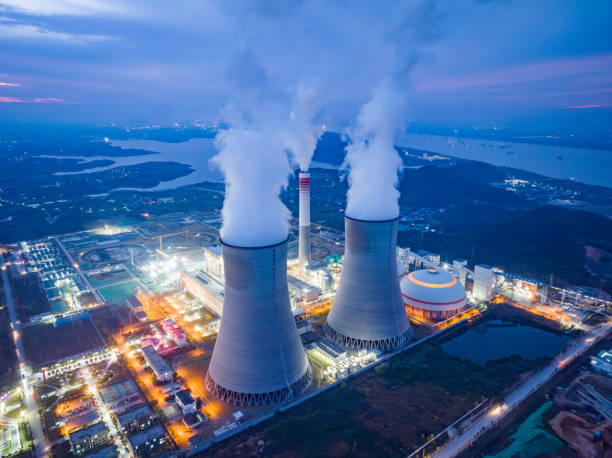
Constellation (NYSE: CEG) – an early 2022 spin-off of Exelon that has since operated as an independent, publicly traded energy and power generation company – is the largest producer of carbon-free energy and nuclear power in the United States, built through organic growth and major acquisitions.
Headquartered in Baltimore, Maryland, Constellation operates a massive fleet of carbon-free generators, anchored heavily by nuclear power alongside hydro, wind, solar, and natural gas assets. The company serves millions of residential and commercial customers, supplying electricity, natural gas, and comprehensive sustainable energy products.
Constellation operates the largest nuclear fleet in the country, and its reactors lead the industry in availability at 94%, providing steady power 24/7 nationwide. In other words, Constellation leads nationally among power generation companies in their readiness to operate and deliver to the power grid – a key reason for Google’s choosing Constellation as they advance their AI campaign.
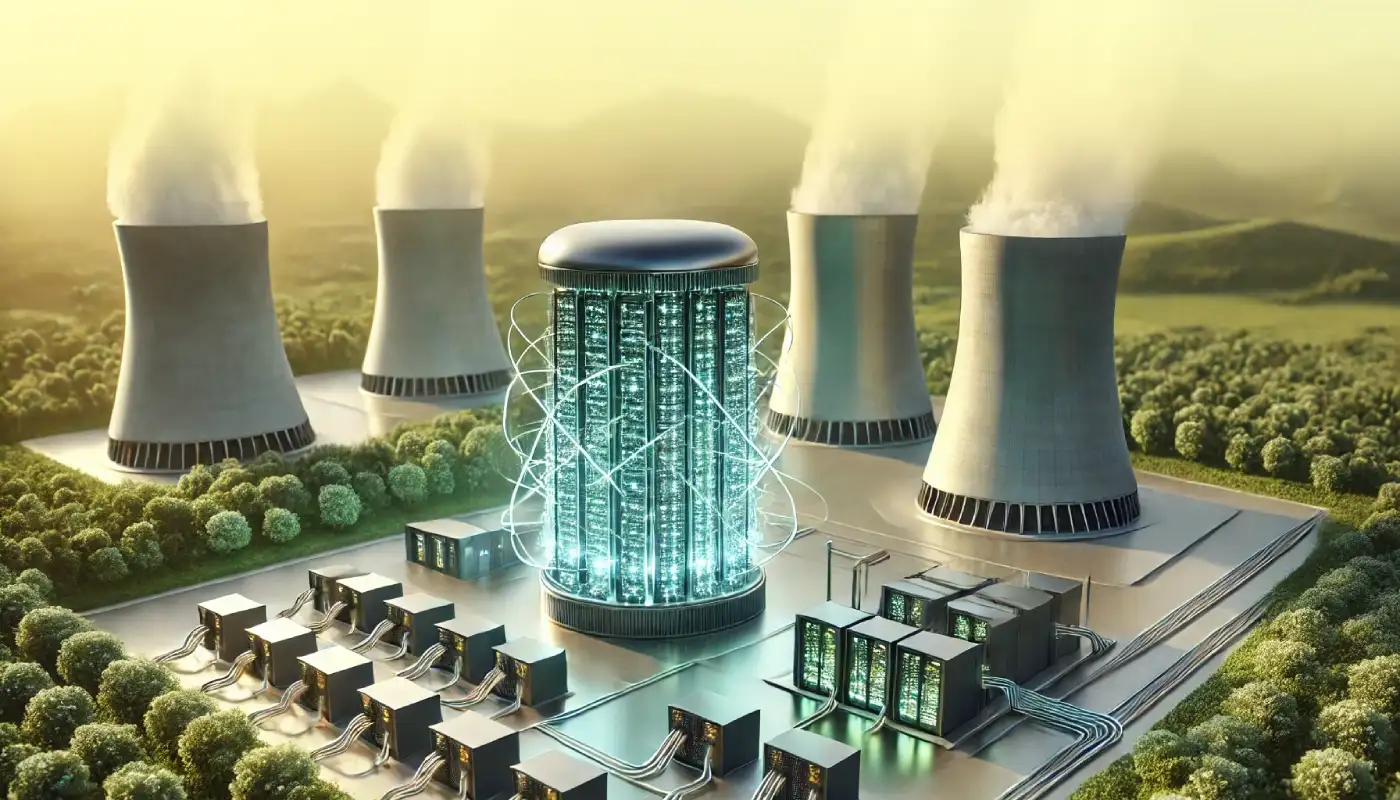
The landmark 20-year agreement between Google (Alphabet) and Constellation Energy will boost output at 11 of its existing nuclear reactors, providing Google with 890 megawatts of new, carbon-free nuclear capacity. Google is set to pay $1 billion or more to Constellation, which will invest $4.3 billion to execute the nuclear uprates and facility expansions required to supply power to Google for its AI endeavors.
But Google is not the only “Big Tech” company to partner with Constellation. The energy corporation is also collaborating with Amazon on a similar 20-year deal; Toyota on renewable energy projects to offset carbon emissions; and Bank of America as a physical intermediary helping them purchase customized shares of utility-scale wind and solar projects through simplified retail energy contracts. Constellation has also been backed by the United States DOE and Research Labs on major projects, including one that actively scrubs carbon dioxide from the atmosphere.
Because artificial intelligence and hyperscale data centers require massive amounts of continuous, carbon-free electricity, Constellation will allow Google to advance its position in the AI space. Their biggest task: catching up with Amazon, which currently has roughly double Google’s data center capacity and footprint.
Constellation’s power will run through the PJM Interconnection Grid, which serves 67 million people across several mid-Atlantic and Midwestern states. By aligning with the White House Ratepayer Protection Pledge, the corporation increases the energy supply without shifting cost burdens onto residential utility consumers. Therefore, the deal will have no direct impact on energy costs for anyone but Google, while providing it with rapid, large-scale clean energy without the multi-year timelines of typical from-scratch, greenfield construction.
The deal will also establish a framework to evaluate future opportunities to build new clean energy storage, complementing Google’s other recent clean energy investments. An industry-wide trend is emerging in which major technology companies lock down massive, long-term contracts with energy providers that can meet their growing energy demand.