Fed Holds Rates, But the Real Story Is What Comes Next
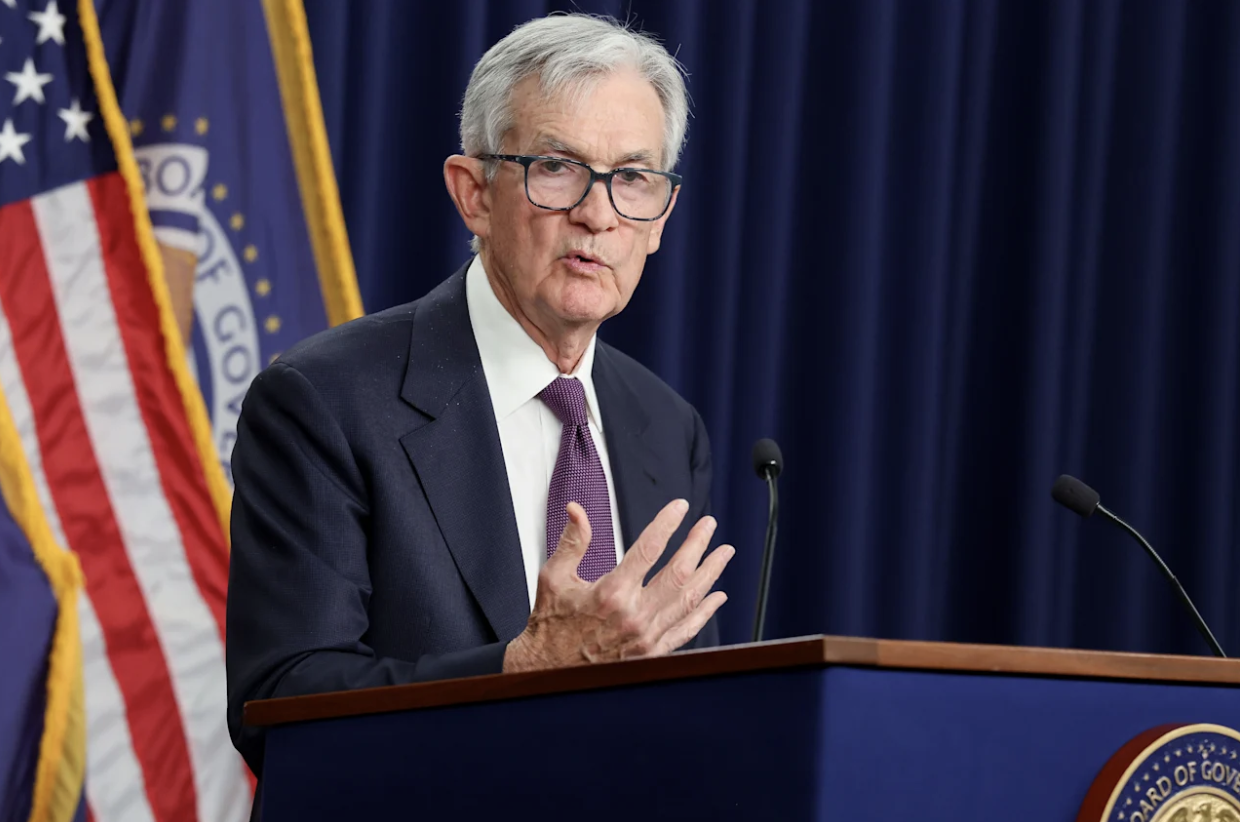
The Fed did exactly what everyone expected on Wednesday—holding rates steady by an 11-1 vote for the second consecutive meeting. But few were focused on the decision itself. Instead, attention centered on Chair Jerome Powell and the message emerging from the Fed’s projections and press conference. While the headline numbers appeared reasonable, the underlying tone left investors uneasy.
The biggest issue hanging over the outlook is the ongoing U.S.-Israeli conflict with Iran. Oil prices have surged from below $80 per barrel to roughly $108 in just a few weeks, while gasoline prices have begun climbing at the pump. Wholesale inflation was already running hot before the latest escalation, and the Fed now faces the additional challenge of managing an energy-driven inflation shock while trying to avoid weakening the labor market.
Critics argue that the Fed missed its opportunity to cut rates earlier. As inflation cooled, policymakers had a window to begin easing monetary policy but chose to remain on hold. Now, rates remain elevated as a major geopolitical shock unfolds. With the conflict intensifying and uncertainty surrounding the Strait of Hormuz, the duration and economic impact of the disruption remain unclear. The opportunity to ease policy has largely closed, leaving the Fed with fewer options.
A Mixed Economic Outlook
The Fed's updated projections presented a mixed picture. Officials raised their 2026 GDP growth forecast to 2.4% while leaving the unemployment outlook unchanged at 4.4%. However, inflation expectations were revised higher to 2.7%, up from the 2.4% forecast issued in December.
Policymakers continue to project one rate cut this year and another in 2027, but uncertainty surrounding the timing remains high. Behind the official forecasts, divisions within the committee appear deeper than the headline projections suggest.
Higher Rates for Longer
For borrowers, the outlook remains challenging. Mortgage rates, credit card interest rates, and business borrowing costs are likely to remain elevated for an extended period. Higher financing costs continue to weigh on consumer spending, housing activity, and business investment.
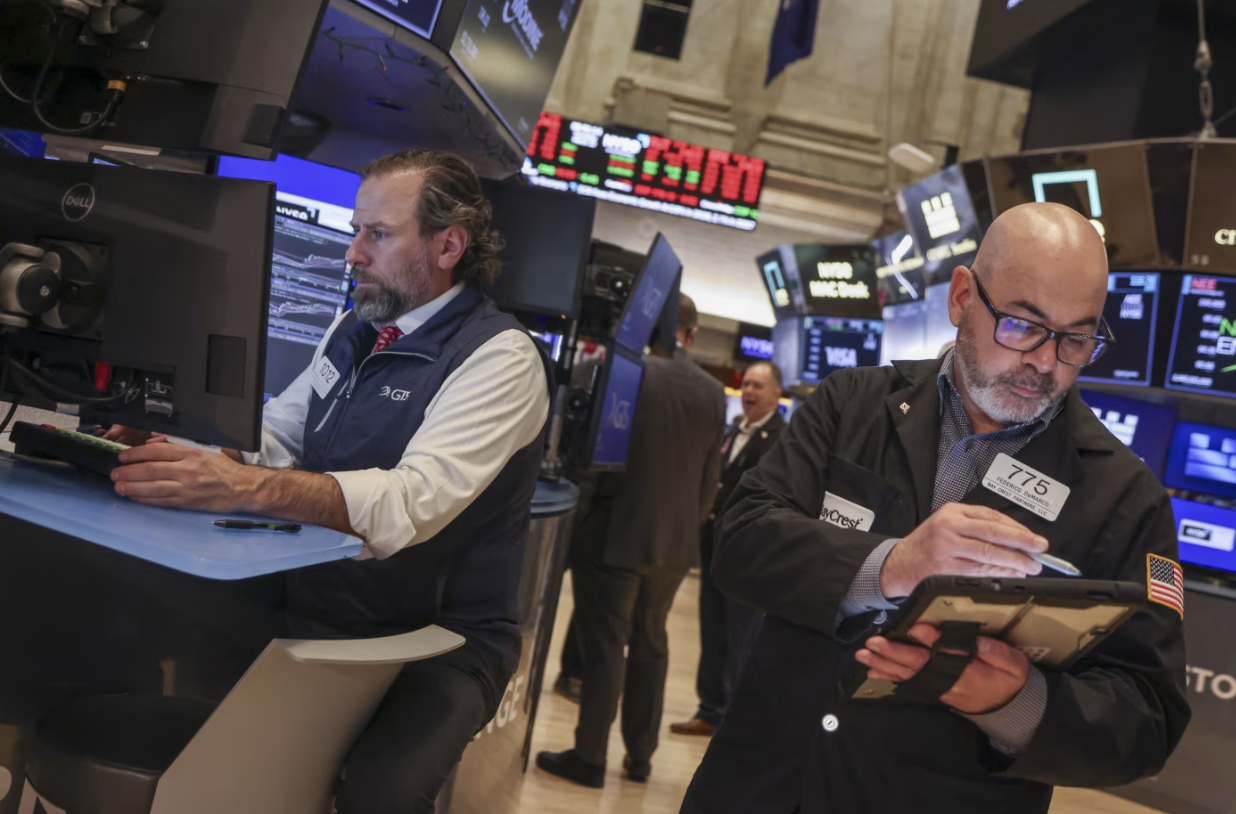
Financial markets reacted negatively following Powell's press conference. With oil prices still rising and inflation pressures moving in the wrong direction, the path toward future rate cuts appears increasingly narrow.
The Recession Risk Question
Most economists are not forecasting a recession at this stage. The prevailing expectation is that inflation will rise temporarily while the labor market remains relatively resilient, provided the energy shock does not persist for too long.
However, that assumption depends heavily on developments in global energy markets. If disruptions in the Strait of Hormuz continue for an extended period, oil prices could climb further, raising costs across the broader economy. In that scenario, concerns that currently sit in the background could quickly become the dominant economic conversation.