
Overview
We are maintaining the artificial intelligence momentum with this week’s pick: Super Micro Computer, Inc. (SMCI). Super Micro is an American information technology company headquartered in San Jose, California, specializing in servers, software development, and storage solutions. Super Micro is a primary partner with NVIDIA, manufacturing and designing rack-scale servers and liquid-cooling technologies.
Background
The air cooling industry has hit what researchers refer to as a “thermodynamic brick wall,” with traditional cooling methods struggling to keep up with the increasing amount of heat generated by newer AI chips. To prevent thermal throttling, SMCI shifts from standard air-cooling methods to direct-to-chip liquid cooling, allowing for a newfound capacity in the AI hardware revolution. By applying liquid coolant directly to the processors, the amount of heat absorbed is 1,000 times more than with traditional air cooling.
Why-to-Buy
This week’s pick is based on the inelastic demand for AI infrastructure. Super Micro’s fiscal 2026 revenue was measured at $39.1 billion, a 78% year-over-year increase, and is expected to continue delivering strong growth in fiscal 2027. Super Micro sits at the epicenter of modern technology innovation and, in an ever-changing world amid the transition to artificial intelligence, looks to continue excelling in the industrial sector. The company also reports a 13.12 P/E ratio, a compelling number sitting below other similar companies, suggesting that the stock may be undervalued relative to its peers.
One of the most overlooked aspects of this company is its versatility, as many investors group this industry too broadly and fail to recognize that the company does far more than simply assemble computer parts. When tech giants create new GPU architecture, Super Micro doesn’t require a third party to design a server; instead it creates its own cooled server racks, expediting the process more quickly than other manufacturers. Super Micro’s modular system allows them to fast-track manufacturing, giving them a time advantage over competitors. The company also reported more than $60 billion in new orders in Q4 as well. Ultimately, the innovation of direct-to-chip cooling technique, along with their rack-scale clusters, makes Super Micro stand out in a world of traditional air-cooling and self-racking.
Even with the strong revenue growth, investors are cautious of intense pricing competition in the market combined with supply chain constraints. Wall Street worries about how price cutting will affect profit margins and the impact of SMCI’s production capability based on changes or delays in the supply chain.
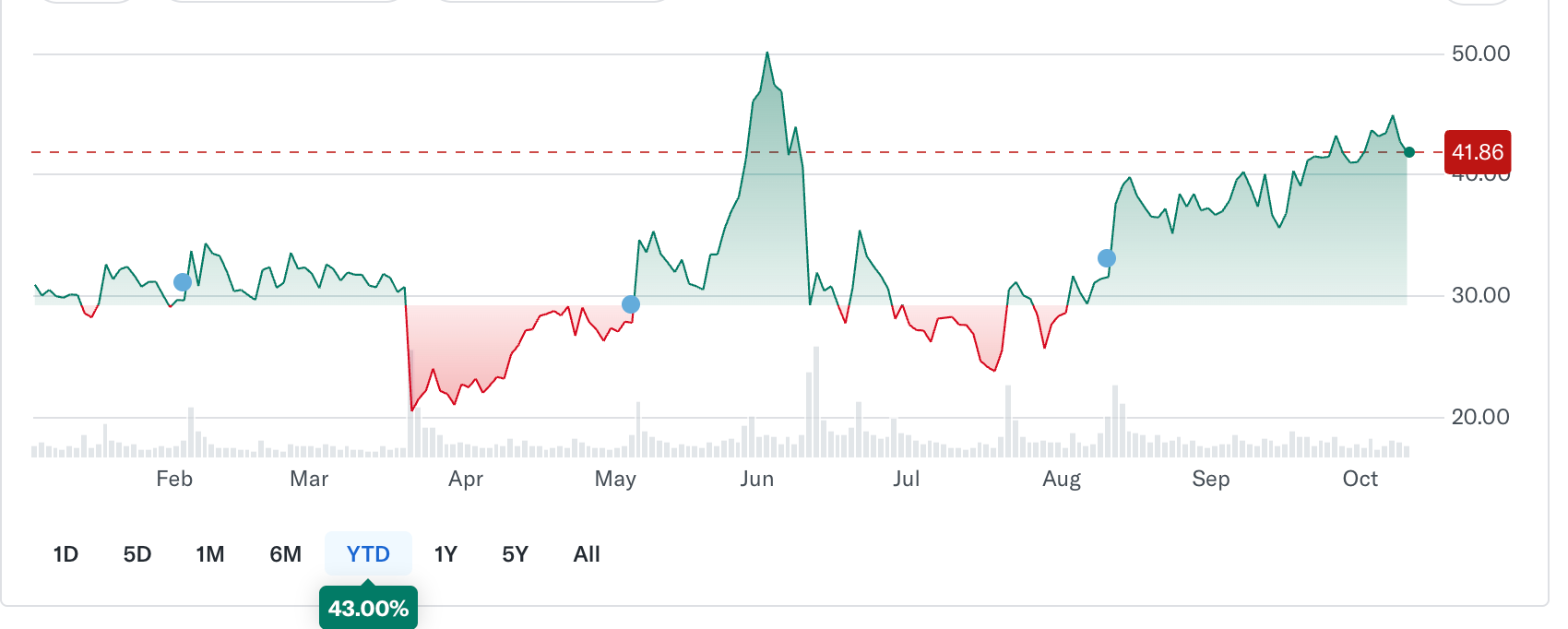
Despite these risks, Super Micro sits at the epicenter of modern technology in a world motivated by increasing AI demand. If Super Micro can maintain its previous economic growth as the world produces newer and more advanced chips, the company has an opportunity to become one of the next major players in technology and storage solutions.