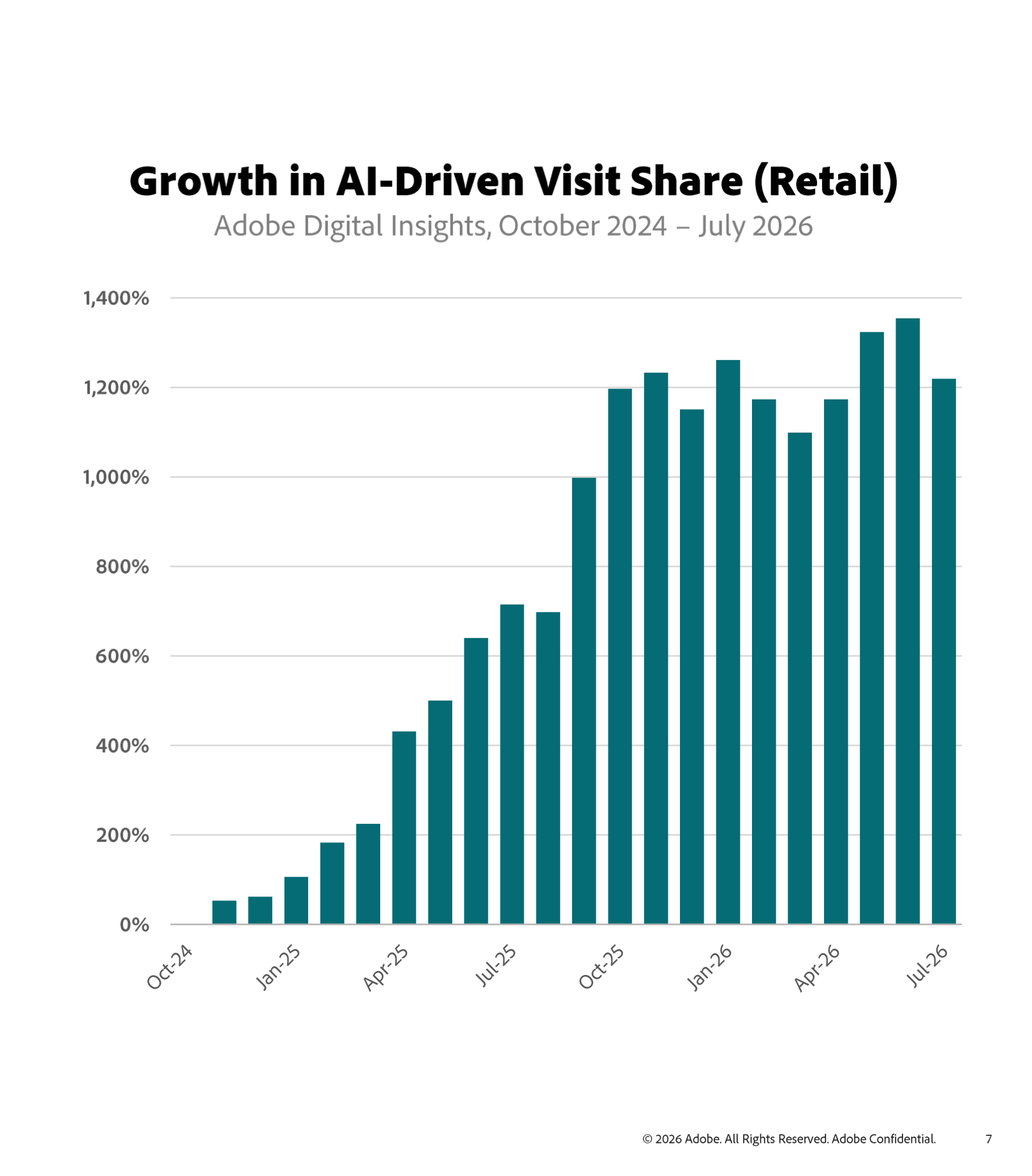
For more than a decade, tech companies have promised a digital helper that could take dull chores off our hands. Apple bought Siri in 2010, but it never lived up to the hype. That may very well change. A new wave of personal AI agents can book flights, buy groceries, and manage calendars without being walked through every step. If they catch on, they could change how millions of people consume goods and services in the digital economy.
Two products lead the pack. Instinct, a startup run by 23-year-old Noah Shinn, lives inside iMessage and WhatsApp rather than its own app. It is still invite-only, yet investors are lined up. The company recently raised 1 billion from Sequoia, Benchmark, and Coatue at a $10 billion valuation (VKTR). Shinn says he wants it to handle the small, personal details of everyday life. Meta took the opposite path, introducing Muse to anyone in America and Canada when it launched on September 8. More than 10 million people downloaded the app in its first month or so, according to data from Sensor Tower (The Economist). That is far faster than ChatGPT’s mobile app managed over the same stretch.
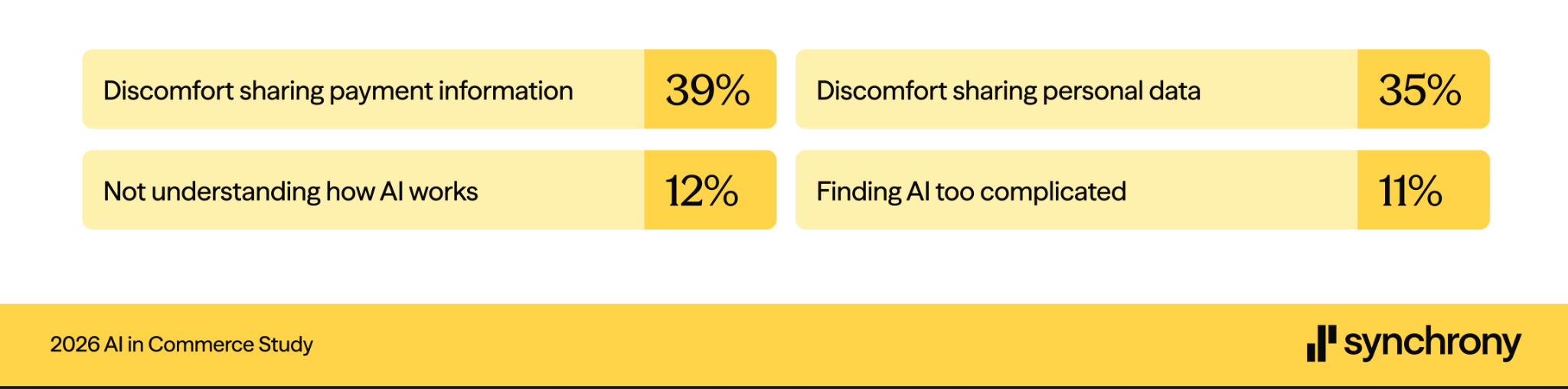
While these agents may prove beneficial, they also pose significant challenges. For the agents to work, users must hand over their calendars, logins, and credit cards. That makes security a real worry. Meta gives each Muse user a private computer to hold their data. Even so, some researchers think the agent can still be tricked by hidden instructions planted on websites (The Economist).
Big retailers pose another problem. Amazon blocked Muse from its store on September 20, less than two weeks after launch. Shoppers who tried to use it were told an “unauthorized AI agent” broke the site’s rules (Retail Gazette). Amazon said Meta never warned it Muse was coming.
Not every company is shutting the door. Shopify is working to make it easier for agents to buy from its merchants, and Meta has partnered with Walmart, Instacart and Expedia (The Economist). The race itself is wide open. Meta has deep pockets, while OpenAI, Google, and Airbnb are all building agents of their own. Apple’s revamped Siri still lags behind.
Whoever earns the user’s trust first could end up standing between shoppers and the stores they buy from. That would give a few tech firms enormous power over online spending and the larger digital economy.