October’s inflation data is here and shows energy is finally cooling off, but core inflation remains persistent. This news, in combination with a strong jobs report, makes a December rate hike by the Fed increasingly likely.
The Consumer Price Index (CPI) rose 0.4% over the course of the last month, a higher than expected result, especially considering the rapid slowdown of inflation in the energy sector. The index for energy rose 0.7% last month, a much lower percentage than the 5.2% increase in September. While the Iran war and AI/datacenter investment have recently been discussed as the main culprits of inflation, and rightly so, October’s numbers force us to look at inflation from a different angle.
Core inflation, which excludes the often volatile categories of food and energy, rose 0.3% against an expected value of 0.2%. Contributors to this percentage were high transportation, medical care (both service and commodity), and housing prices. The result also matched August and September, which also saw a 0.3% increase in core inflation. Core inflation remaining sticky despite cooling energy prices is consistent with a Fed Board staff note published on November 9th, which argues that since the pandemic, oil shocks carry into core inflation more strongly and linger even after energy prices settle.
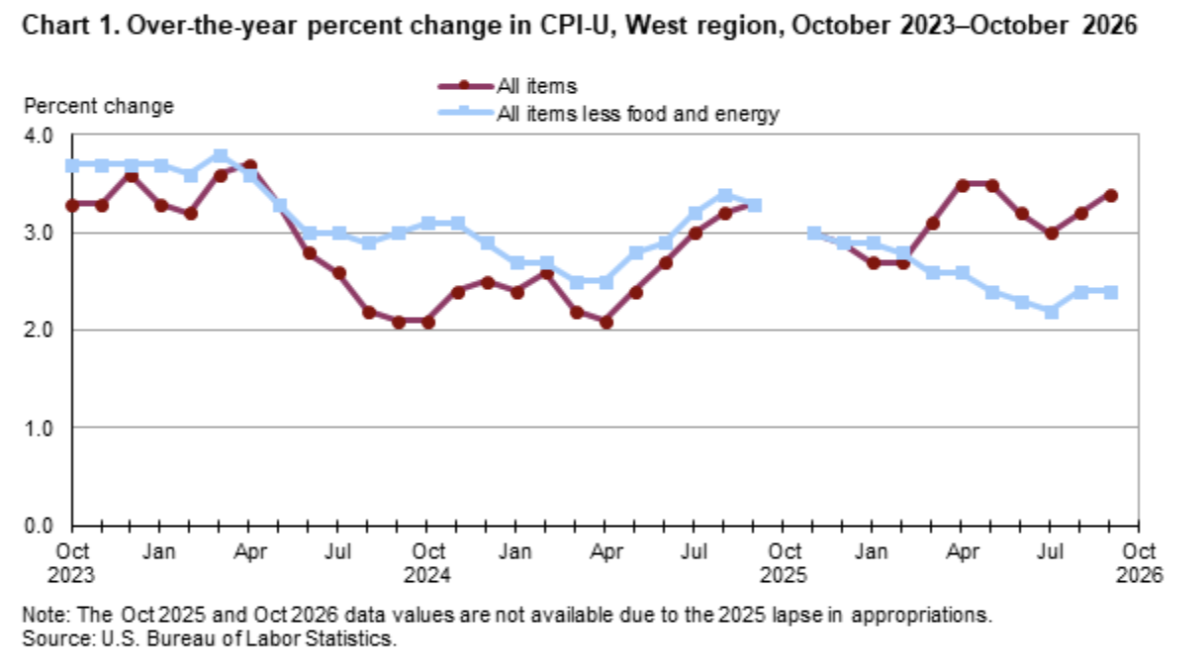
Looking at other key economic indicators, the jobs report for October came back surprisingly strong, with the US adding 165,000 jobs to the economy and the unemployment rate also falling from 4.2% to 4.1%. These positive results, in tandem with the persistent core inflation we saw in October, make it almost certain that the Fed will hike rates in December. With November’s CPI report not scheduled for release until December 10th, one day after the Fed’s December 8–9 meeting, policymakers will have to make their decision without another month of inflation data.
The question now shifts from whether the Fed raises rates to the size of the hike. Officials who are eager to fight back against inflation could push for a half-point increase in rates, a move not made since 2022. Another option is a quarter-point increase, a move Fed Governor Christopher Waller believes is too small of a response and would put the Fed’s credibility at risk.