AI and the Shift of Battlefield Intelligence
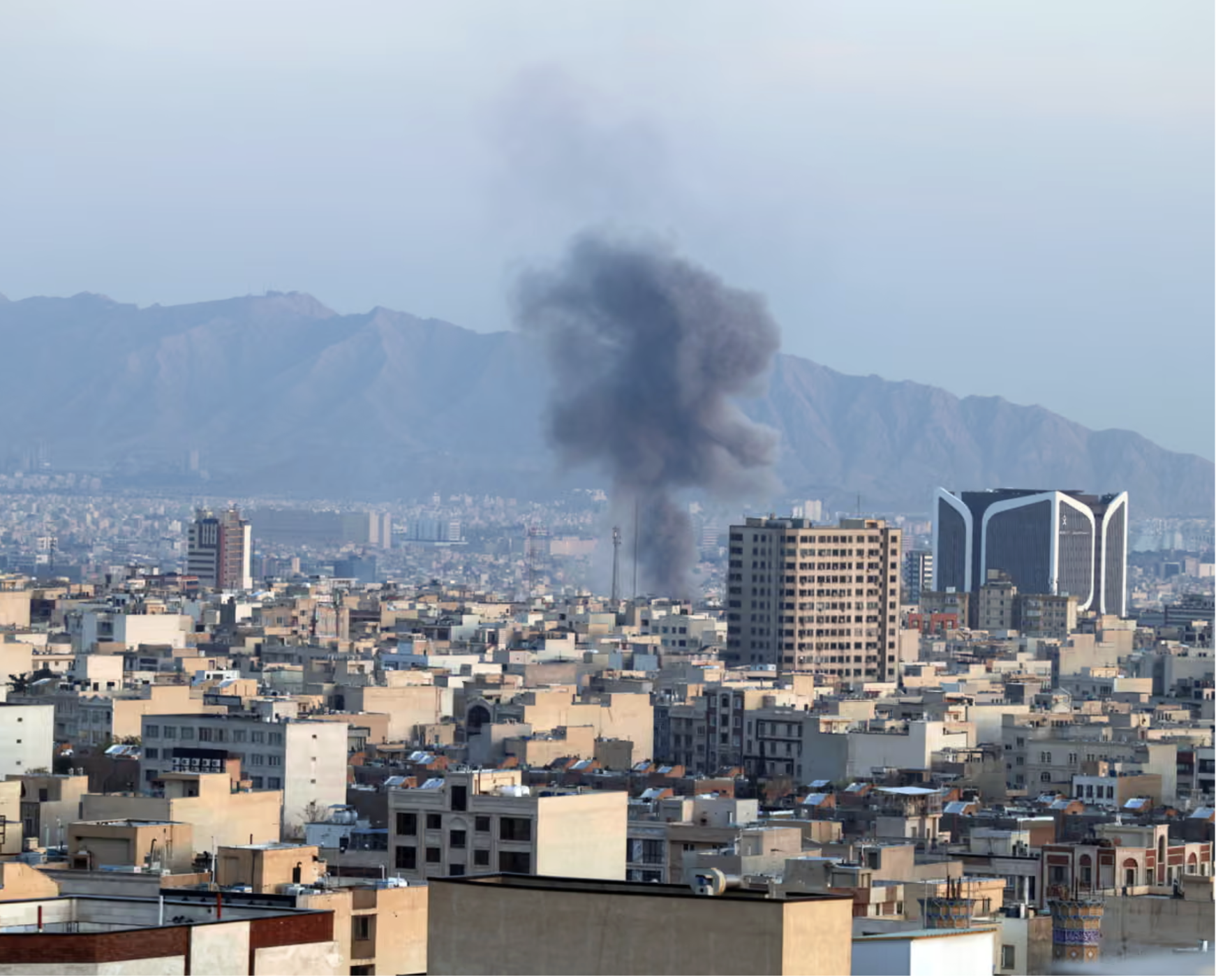
Smoke drifts over central Tehran in the aftermath of a Friday airstrike - Abedin Taherkenareh/EPA
Artificial intelligence is rapidly transforming modern warfare, and the current conflict involving Iran illustrates how dramatically military operations can change when algorithms are integrated into decision-making. Rather than replacing soldiers on the battlefield, AI is accelerating the systems behind warfare: targeting, logistics, and mission planning, allowing militaries to operate at unprecedented speed.
The most immediate impact of AI lies in the processing and interpretation of battlefield data. Modern conflicts generate enormous amounts of information, including satellite imagery, surveillance video, intercepted communications, and sensor readings, all of which humans would traditionally spend days analyzing to identify potential threats, yet realistically examine only a small fraction of the total information collected. However, AI can process these massive datasets almost instantly, resulting in the identification and evaluation of far more potential threats than was previously possible.
This surge in data processing capability feeds directly into military action and targeting, as machine-learning algorithms can detect missile launchers, vehicles, or aircraft across large geographic areas while cross-referencing patterns, such as communication networks tied to military infrastructure. This shift is so significant because AI systems have enabled some military exercises to achieve the same targeting capacity with only a few dozen personnel, whereas it once required thousands of analysts.
AI in Operational Planning
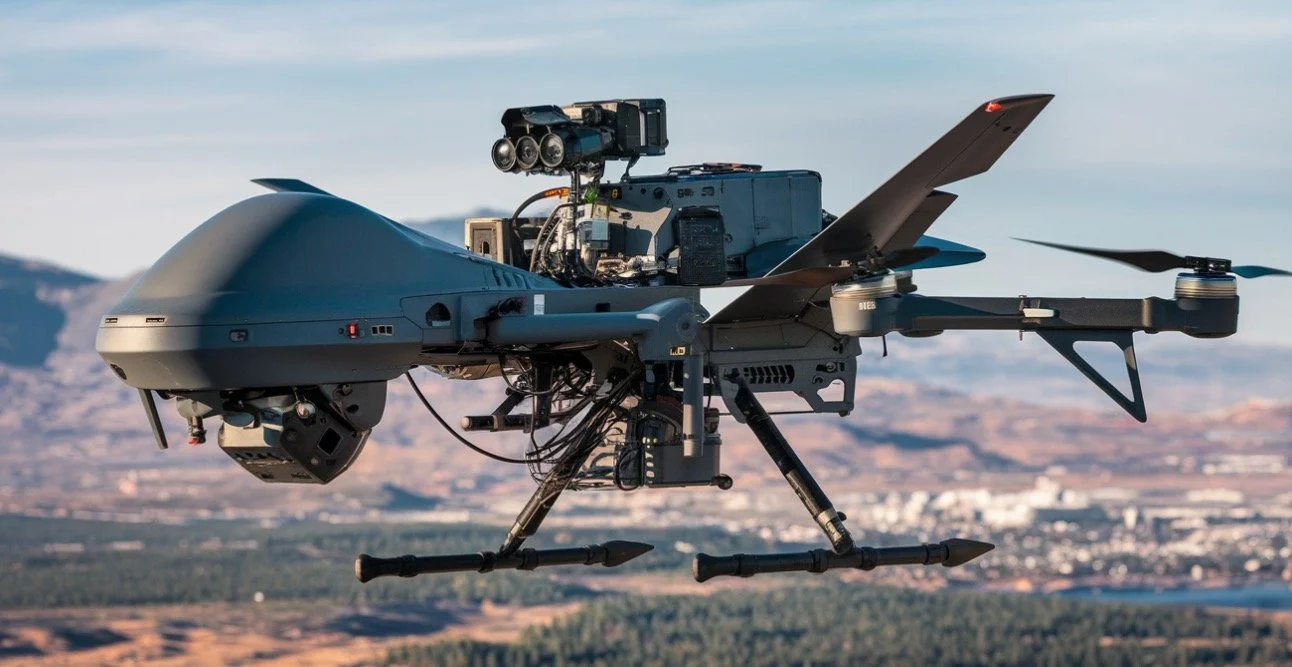
AI Embeded in a Military Drone - Aegis
Similarly, artificial intelligence is transforming operational planning, as historically, planning a major operation could take weeks as different specialists revised their strategies based on updated information or changing conditions. Now, AI systems can simulate thousands of different possible scenarios in a matter of hours, helping commanders evaluate strategies and determine which course of action is most likely to succeed before an operation even begins.
Risks and the Future
Despite these advantages, the growing role of AI introduces new risks, as overreliance on automated systems could lead commanders to trust AI recommendations without sufficient scrutiny, making it essential that human judgment remains central in the decision-making process.
Ultimately, the conflict with Iran demonstrates a broader shift in how wars might be fought in the future. As AI systems improve, the central advantage in warfare may increasingly depend on how quickly militaries can collect information, interpret it, and act on it. Although this does not eliminate the importance of human decision-making, it changes the pace and scale at which those decisions occur. In this environment, technological capability, particularly the ability to process and respond to data faster than an opponent, may become one of the most decisive factors in shaping modern conflict.