
The U.S. economy had a tougher week than many would’ve liked, as concerns over rising government debt, higher long-term interest rates, and continued uncertainty around the war with Iran dominated the news over the past few days. Even though the economy has remained resilient, questions are growing about how long that will actually last.
Perhaps the biggest story of the week was the bond market. The U.S. national debt surpassed $40 trillion, highlighting the enormous amount of borrowing the government must do to finance. Also, investors have been demanding higher yields to hold longer-term Treasury bonds, showing a lack of full confidence in the government. The 30-year Treasury yield reached its highest level in almost 20 years, and the 10-year also remained elevated, with both rates influencing borrowing costs across the economy, including mortgages, corporate debt, and other loans.
In response, the Treasury Department announced it would at least double the size of its buyback operations for longer-dated government bonds, from roughly $2 billion to at least $4 billion per operation. Buybacks are a debt management tool, not a stimulus. Treasury repurchases older, less actively traded “off the run” securities that investors have struggled to sell, then funds those repurchases by issuing new debt elsewhere on the curve. The goal is to improve liquidity in the long end and provide holders with a reliable exit, which briefly pushed long-term yields lower before they climbed again shortly thereafter. What buybacks do not do is reduce the total amount of outstanding debt, since the net supply of Treasuries remains roughly unchanged.
The bigger problem is that buying bonds doesn’t solve the underlying fiscal issue of government debt. The government is still running large deficits and needs to borrow heavily. With continued high yields, the government will need to pay more to finance its debt, creating a slight problem: higher interest costs can widen deficits, requiring more borrowing and putting even more pressure on Treasury yields.
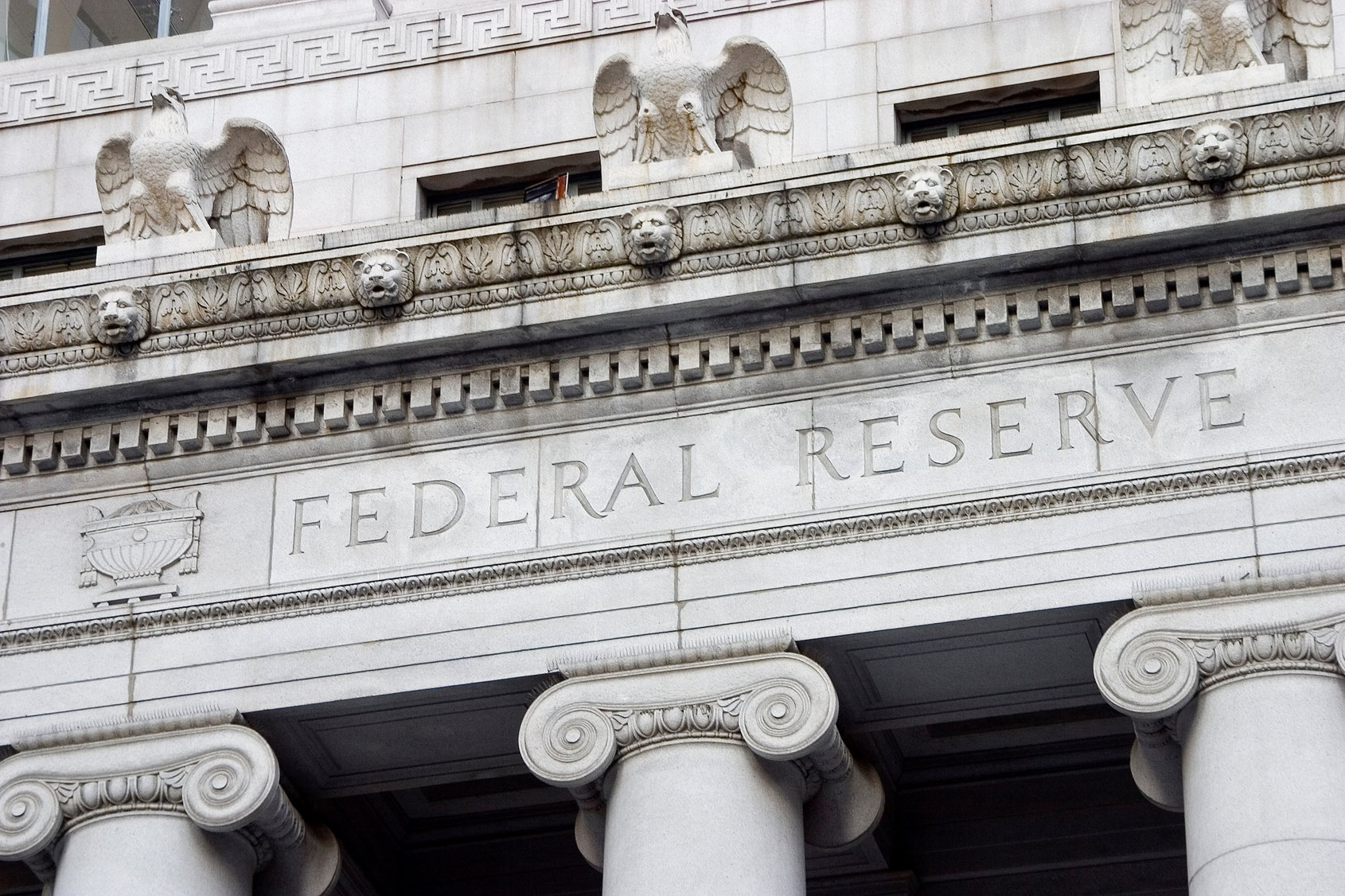
At the same time, the Federal Reserve is facing its own dilemma. Even with limited guidance, policymakers remain concerned about inflation, making aggressive rate cuts less certain. But initial jobless claims last week came in at 206,000, below expectations, signaling the labor market remains relatively healthy.
The war with Iran adds another layer of uncertainty, with unknown future tensions; oil prices climbed to more than $90 per barrel this week. Higher oil prices lead directly into gasoline and transportation costs and can eventually push broader inflation higher.
This week showed why the macroeconomy outlook is becoming more complicated. Despite a growing economy and solid labor market, higher oil prices threaten inflation while rising government borrowing pushes bond yields higher. Thus, the Fed is left with a difficult situation: cutting rates could support the economy, but doing so risks further elevating inflation by stimulating borrowing, spending, and overall demand. With the Fed forced to balance these competing pressures, the next few months are vital in determining the broader direction of the economy.