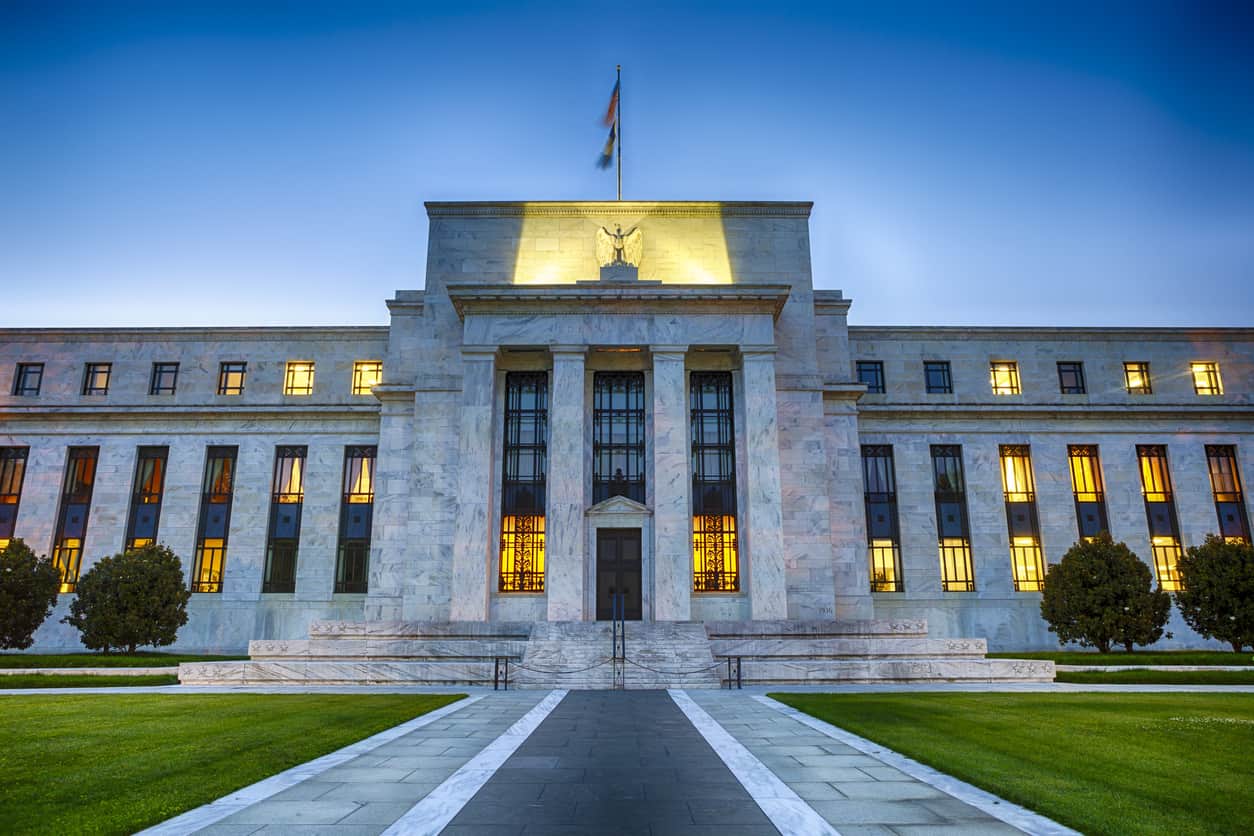
The U.S. economy entered this summer in a difficult position: economic growth remained positive, but the labor market showed signs of slowing, while inflation remained above the Fed’s 2% target. Over the past several months, investors have increasingly focused on whether the economy is headed toward a soft landing or whether persistent inflation will force the Fed to keep monetary policy restrictive.
Economic growth slowed during the second quarter. Real GDP increased at a 1.5% annualized rate in Q2, down from 2.1% in the first quarter. While the slowdown was notable, consumer spending remained relatively resilient, with real growth rising to 3.4%. The combination suggests that the economy is still expanding, but at a more moderate pace.
The labor market has been a growing source of concern. June payroll growth slowed to 57,000, while July employment actually declined by 23,000. Despite weaker job creation, the unemployment rate remained relatively low at 4.1% in July. This creates an unusual picture: unemployment has not surged, but the pace of hiring has weakened considerably. Investors will be watching the upcoming August employment report closely for evidence of whether labor-market weakness is temporary or becoming more persistent.
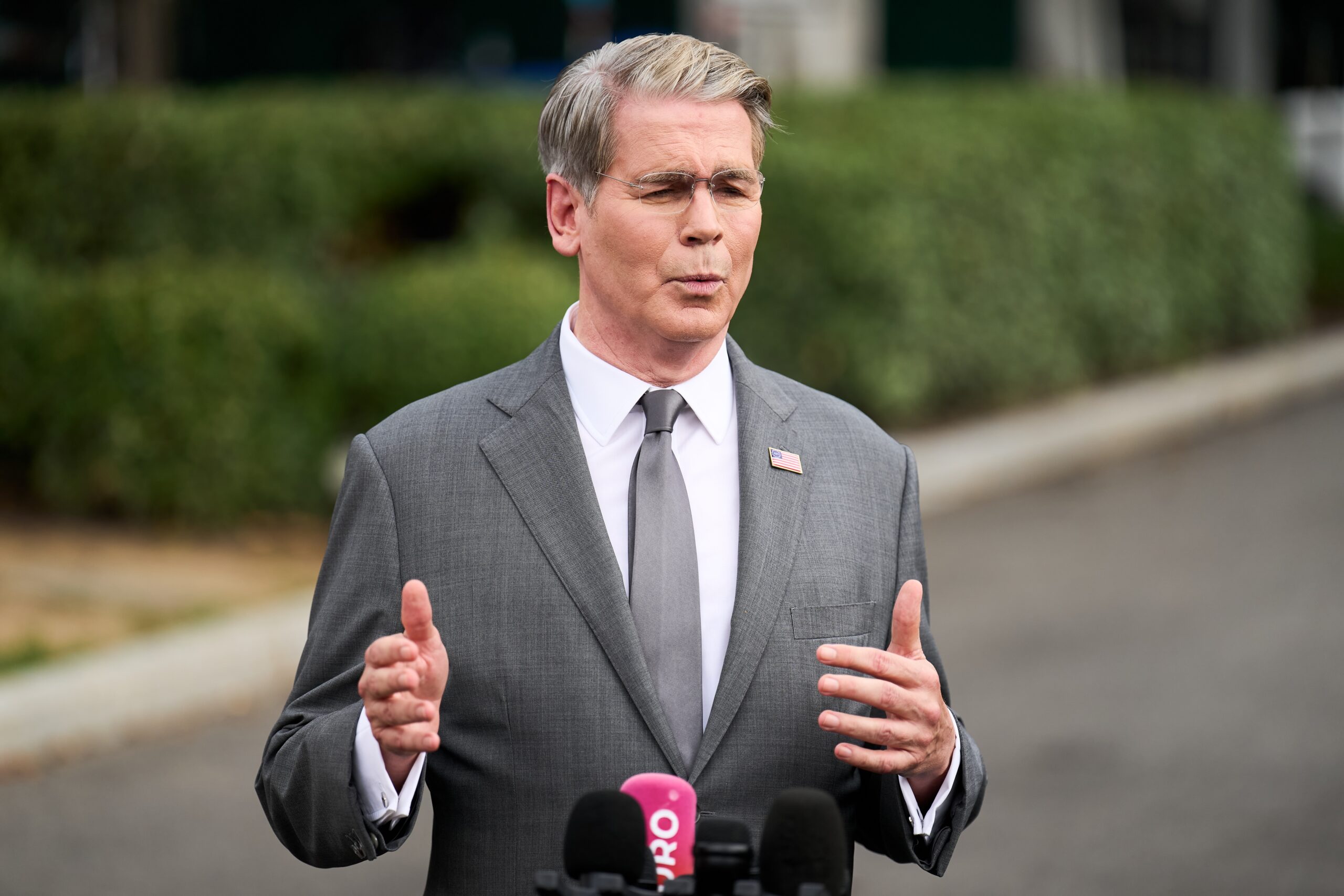
Treasury Secretary Scott Bessent speaks to members of the media outside the White House in Washington, Thursday, Aug. 20, 2026. (AP Photo/Jacquelyn Martin)
Inflation has also complicated the outlook. While some price pressures have moderated, inflation remains sticky. July PCE inflation increased 0.2% month-over-month, while annual inflation held steady. Producer prices also showed signs of moderation in July, but the broader inflation picture remains above the Fed’s comfort zone. Tariffs and higher energy prices have added another layer of uncertainty because they can raise prices even as economic activity slows.
These conflicting signals have placed the Federal Reserve in a difficult position. The Fed held the federal funds target range at 3.50%–3.75% in July, but officials have remained divided over the appropriate path for policy. More recently, Fed Chair Kevin Warsh emphasized the persistence of inflation at the Jackson Hole meeting, causing markets to increase expectations for a potential September rate hike.
Ultimately, the summer’s macroeconomic story is one of conflicting signals. Growth is slowing but remains positive; employment is weakening without failing; and inflation is becoming difficult to get rid of. As the summer comes to an end, the direction of monetary policy will likely remain the central question for investors.