
Overview
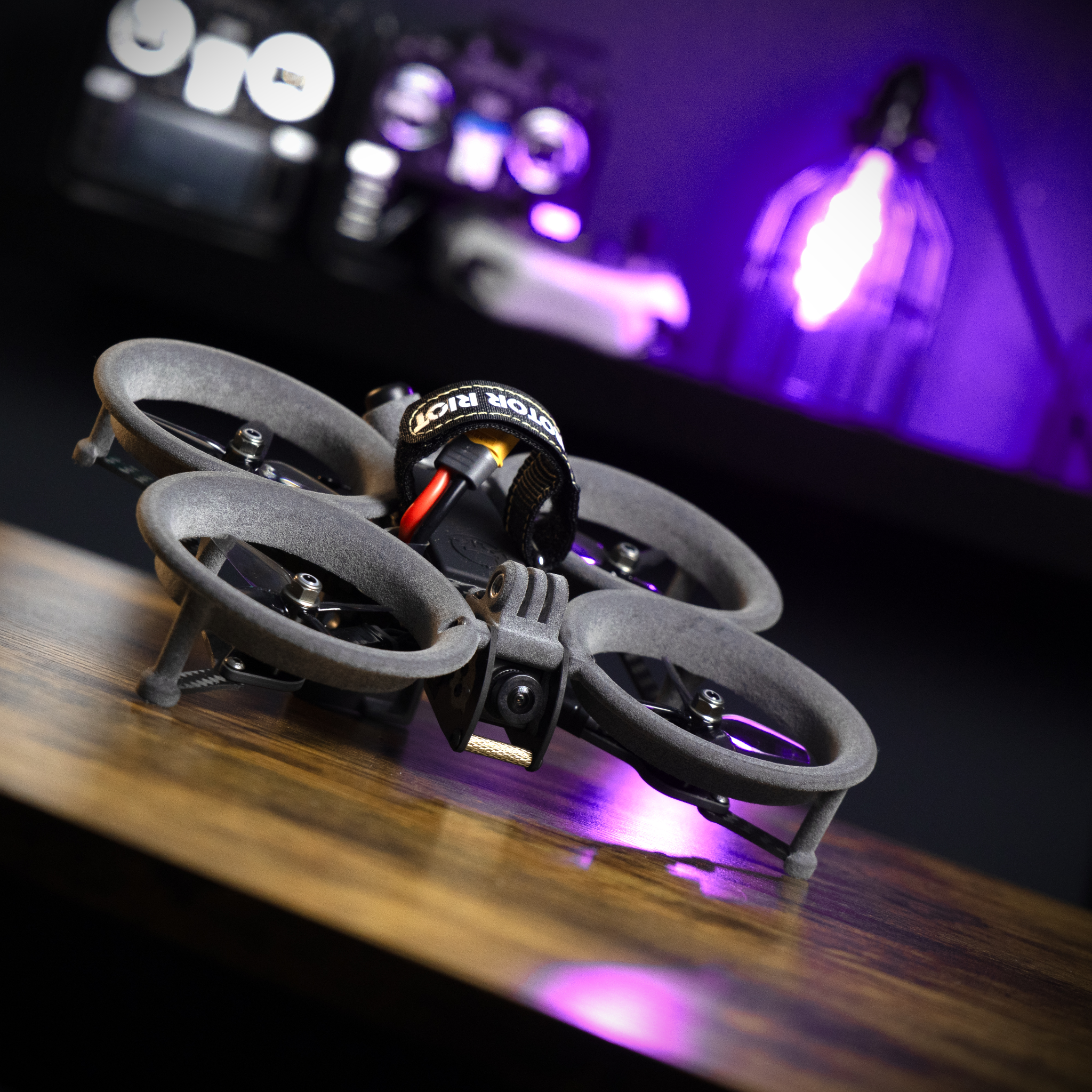
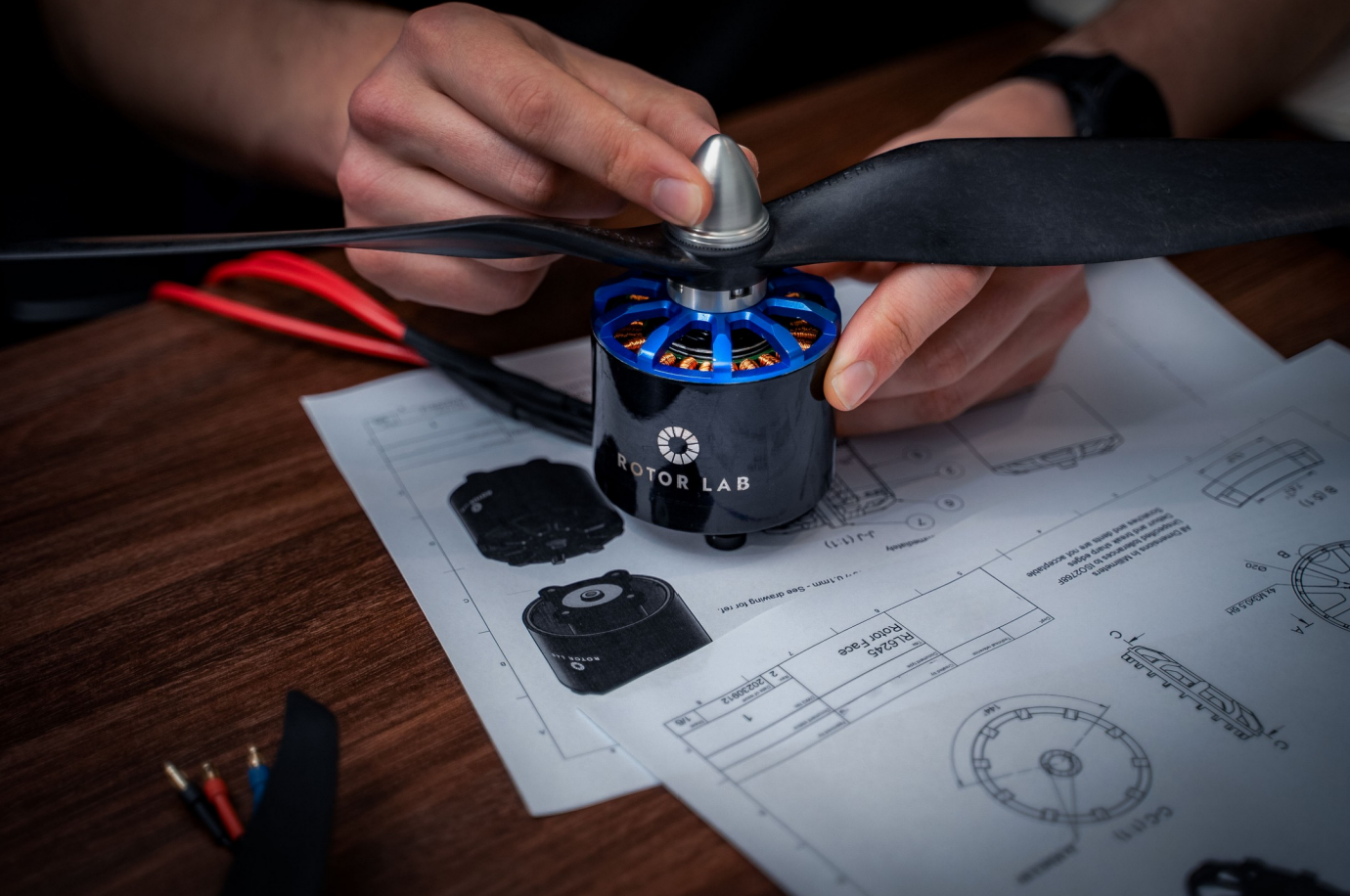
Unusual Machines (NYSE American: UMAC) is a company headquartered in Orlando, Florida, that manufactures drone components compliant with the NDAA. The NDAA is a set of federal requirements that prohibit the U.S. military and government agencies from using parts manufactured in countries that are adversaries of the United States. The company’s two primary product lines are Fat Shark, which produces video goggles and cameras for drone pilots, and Rotor Riot, which makes flight controllers, motors, and electronic speed controllers. In April 2026, the company entered the drone battery systems market through its $52 million acquisition of Upgrade Energy, thereby adding powertrain components in anticipation of the commercial drone delivery market.
Recent News
Throughout 2026, UMAC has been winning government contracts at a steady rate. In January, the company received a $2.1 million purchase order for defense and government drone components. In April, it obtained an order worth more than $5 million from Powerus for counter-UAS interceptor systems and 10-inch-class drone platforms. This came after it had secured a $12.8 million order in late 2025 for about 160,000 components for the U.S. Army’s modular drone system. The Army has indicated its intention to add another 20,000 components in 2026.
Current regulations favor UMAC. In December 2025, DJI, the leading global drone manufacturer, was added to the FCC’s Covered List because no federal agency conducted an NDAA national security review. This automatically prohibited any future government purchases of DJI products. As a result, the U.S. market for drone components is now an estimated $5 billion. Since UMAC manufactures domestically and complies with the NDAA, this marks a fundamental, lasting change.
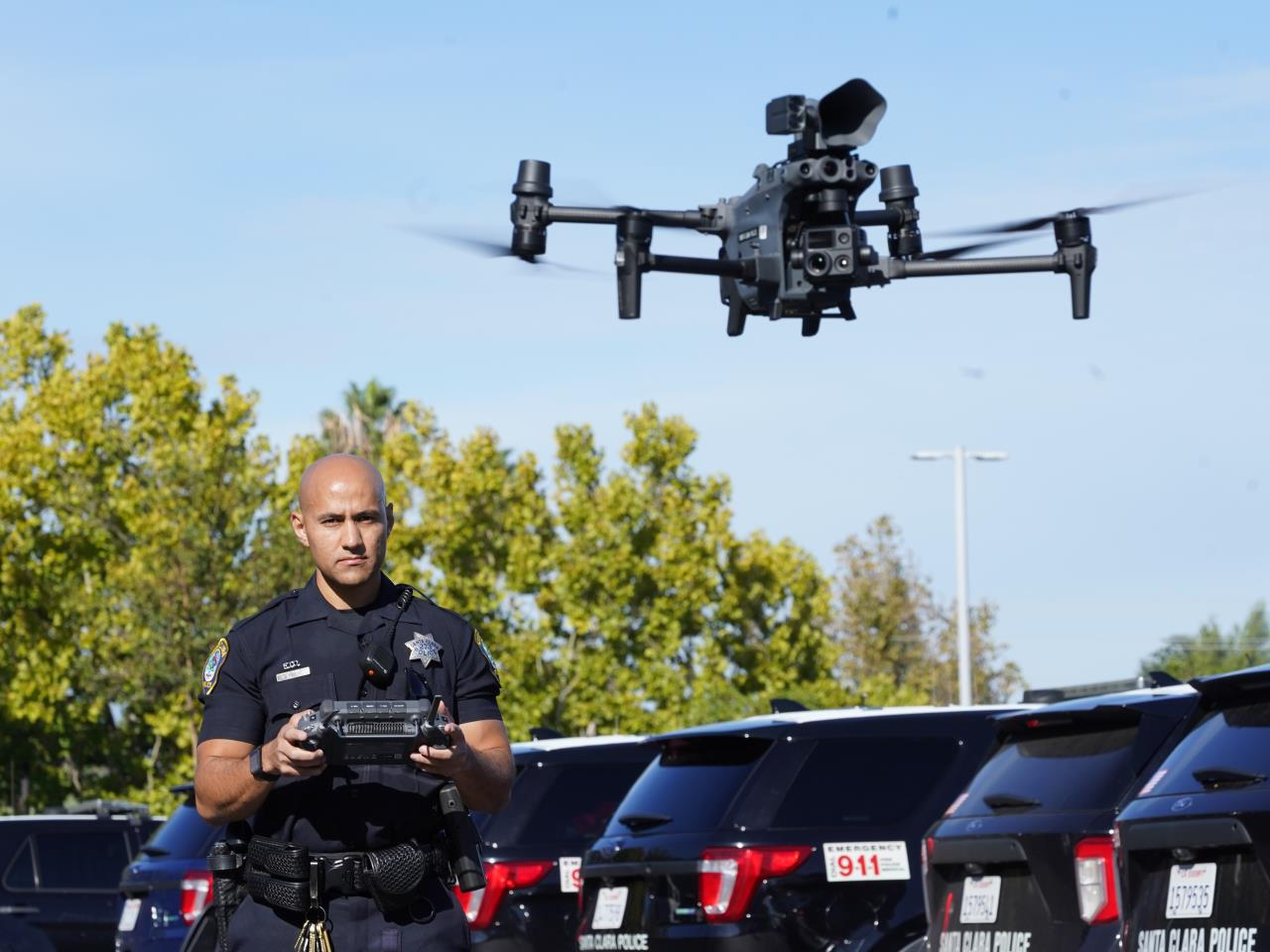
The demand goes well beyond the military; more than 1,847 U.S. police departments currently run drone programs, more than triple the 559 that did so in 2020 (Motorola Solutions). In June 2026, Sacramento attracted national attention when a drone successfully disarmed an armed suspect before the police officers arrived (Deseret News). Since the departments are expanding these programs, demand for replacement motors, cameras, and flight controllers has become recurring revenue instead of a one-off purchase.
Financial Indicators
The revenue UMAC earned in its quarterly review has risen from $1.41 million in mid-2024 to $8.10 million in the first quarter of 2026—a year-on-year increase of 296%. Currently, sales to enterprises account for about 90% of total revenue, up from only 31% in the first quarter of 2025, illustrating the company’s successful shift from retail to serving government and defense customers. For the first quarter, the gross margin was 32.8%, with management planning to reach 40% on its battery products as a result of the Upgrade Energy acquisition.
In the first quarter of 2026, the company achieved its first positive net income of $10.28 million. For that quarter, the GAAP operating loss was $7.26 million, a figure which stems from the quick increase in staff and the expansion of facilities. Nevertheless, the trend is significant: the operating losses have been decreasing as revenue has grown. Analysts’ collective estimates suggest that second-quarter 2026 revenue will be $17.25 million, with earnings to be released on August 6th.
In the first quarter, UMAC raised $150 million through a public offering and ended the quarter with $222.9 million in cash and $312.7 million in working capital, providing substantial room for growth as a small-cap growth company. Revenue is expected to increase by 57% per year over the next three years, compared with a sector average of 13% (Simply Wall St), with analysts forecasting that the company will become operationally profitable in 2027 at a revenue run rate of $44 million.
Why to Buy
The drone sector is currently undergoing a restructuring driven by regulatory changes, and UMAC is one of the very few domestic manufacturers able to capitalize on gaps left by Chinese suppliers across defense, law enforcement, and the commercial sector. The global market for drone accessories is worth ~$17.5 billion and is expected to rise to ~$115 billion by 2032.
Roth Capital increased its price target from $25 to $40; H.C. Wainwright initiated coverage with a Buy and set its target at $42; and Needham raised its target to $30. The average price target among analysts is about $37. This represents more than 75% upside on current levels, and seven analysts rate it Strong Buy (Stock Analysis). This is a pre-profitability growth story featuring genuine revenue momentum, a regulatory moat, and a contract pipeline that is still in its early stages. UMAC is CFR’s Pick of the Week.