The Rally That Set the Stage
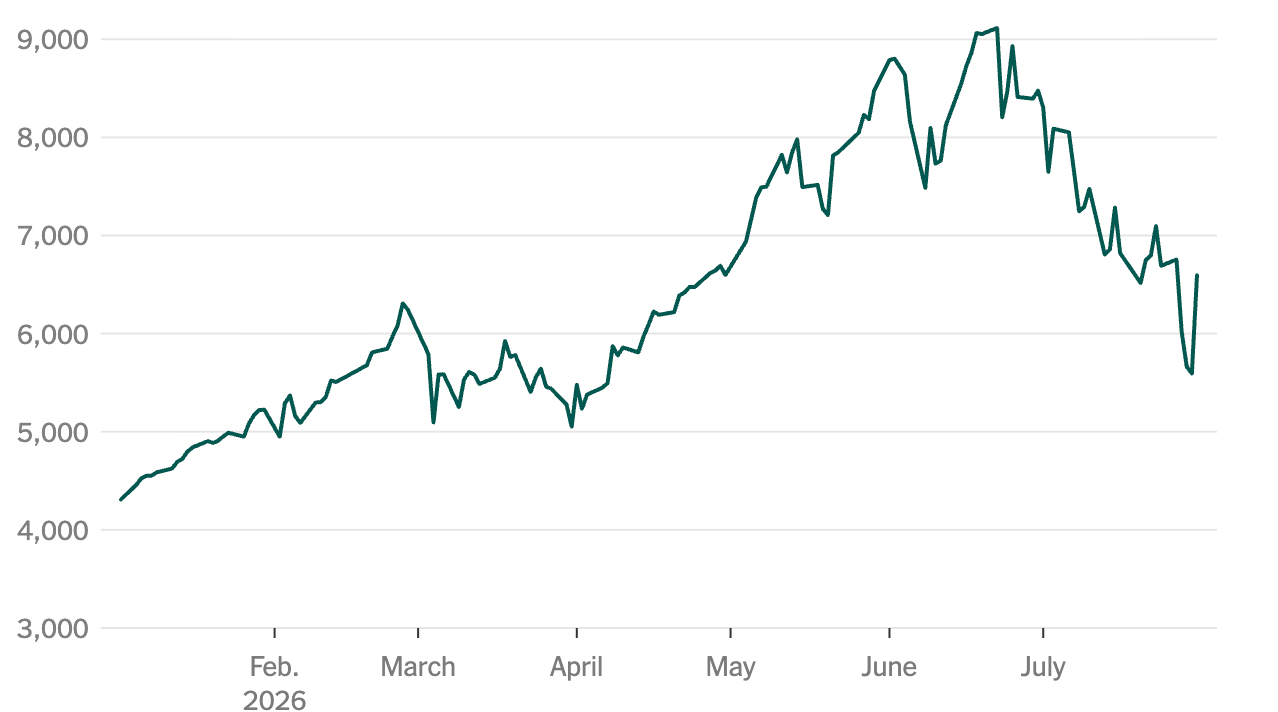
To understand the crash, you have to start with what came before it. Between April 2025 and June 22nd, 2026, the KOSPI gained 297%. That was its strongest bull run since the 1980s (Seeking Alpha). The index peaked at 9,385 on June 19th, briefly making South Korea the world’s sixth-largest equity market (South China Morning Post). When AI infrastructure spending began to accelerate, Korean semiconductors became the bottleneck every hyperscaler needed. Korean-based companies Samsung and SK Hynix together dominate global memory chip production, and the market priced in a decade of demand in roughly 14 months.
The Crash
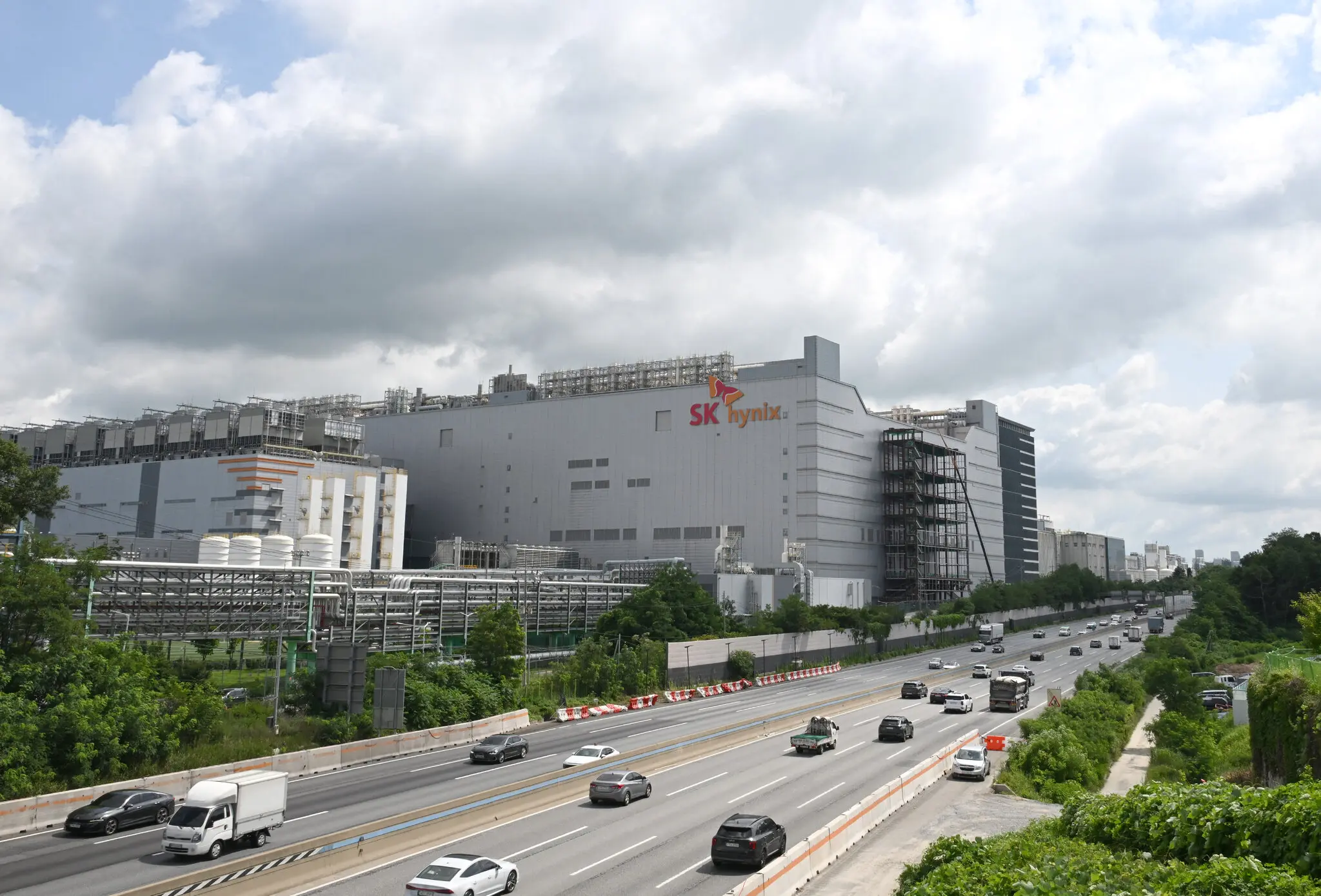
By July 28th, the KOSPI had lost 34% from its June peak in just 25 days—a faster collapse than 2008 and worse than the 1997 IMF crisis that nearly broke the Korean economy (Yahoo Finance). On July 28th alone, the index fell 10.8%, closing at 6,023. Samsung dropped 13.4% that day, and SK Hynix lost 14.7% (Reuters). The following session, July 29th, the index fell another 5.98% to 5,663, erasing in total $2.18 trillion in market value over two days (Al Jazeera).
The selloff didn’t stay in Seoul. Micron Technology is the closest American industry peer to Samsung and SK Hynix in the memory chip market, and it lost 5% in premarket trading on July 28th. The VanEck Semiconductor ETF also fell 3% (Yahoo Finance). A circuit breaker (a 15-20 minute pause during trading hours) in Seoul is a warning shot for Santa Clara.
South Korean regulators have triggered eight circuit breakers in 2026 alone. This surpasses more than half the total number activated since the mechanism was introduced in 2000 (Reuters).
Why It Happened
No single catalyst broke the market, but five hit at the same time. A report that China had begun mass production of ultraviolet chipmaking tools raised questions about Samsung and SK Hynix’s ability to preserve their market share (The Information). Secondly, investors began to question whether AI capital expenditure was sustainable at current levels. Then, MSCI declined to add South Korea to its Developed Markets watchlist, meaning an expected $29-30 billion in investment from mutual funds and ETFs will not flow into the South Korean Market (IndMoney). Lastly, retail investors who piled into leveraged ETFs during the rally got caught on the wrong side. Margin calls forced selling and exacerbated the decline, making the correction into something uglier (Al Jazeera).
Today’s Record Rebound
Today, July 31st, the KOSPI closed at 6,595, which is a 17.91% gain in a single session, the largest one-day gain in the index’s history (Korea Times). The previous record was 11.95%, set in October 2008. Why? Well, this morning, Amazon confirmed that AWS cannot meet the demand for AI infrastructure, even with $220 billion in planned capital expenditure, suggesting that memory chip demand isn’t going anywhere just yet (TradingKey). Microsoft, a key player in AI infrastructure, also reported stronger-than-expected earnings yesterday, with shares seeing their best session in nearly eighteen years (AP). Foreign and institutional investors bought a net 7.22 trillion won in a single day.
Even after today, the KOSPI sits roughly 30% below its June peak. The index spent the month pricing in a decrease in AI trade, and then spent a single day walking it back. The market still has not made up its mind about memory chips, and it will be a story to follow over the coming months.