Looking at this week’s headlines may lead one to think that the inflation fight was practically over. June’s CPI actually fell 0.4% for the month, the steepest drop since April 2020, pulling the annual rate down to 3.5% from 4.2% in May. On paper, that looks like a victory to many.
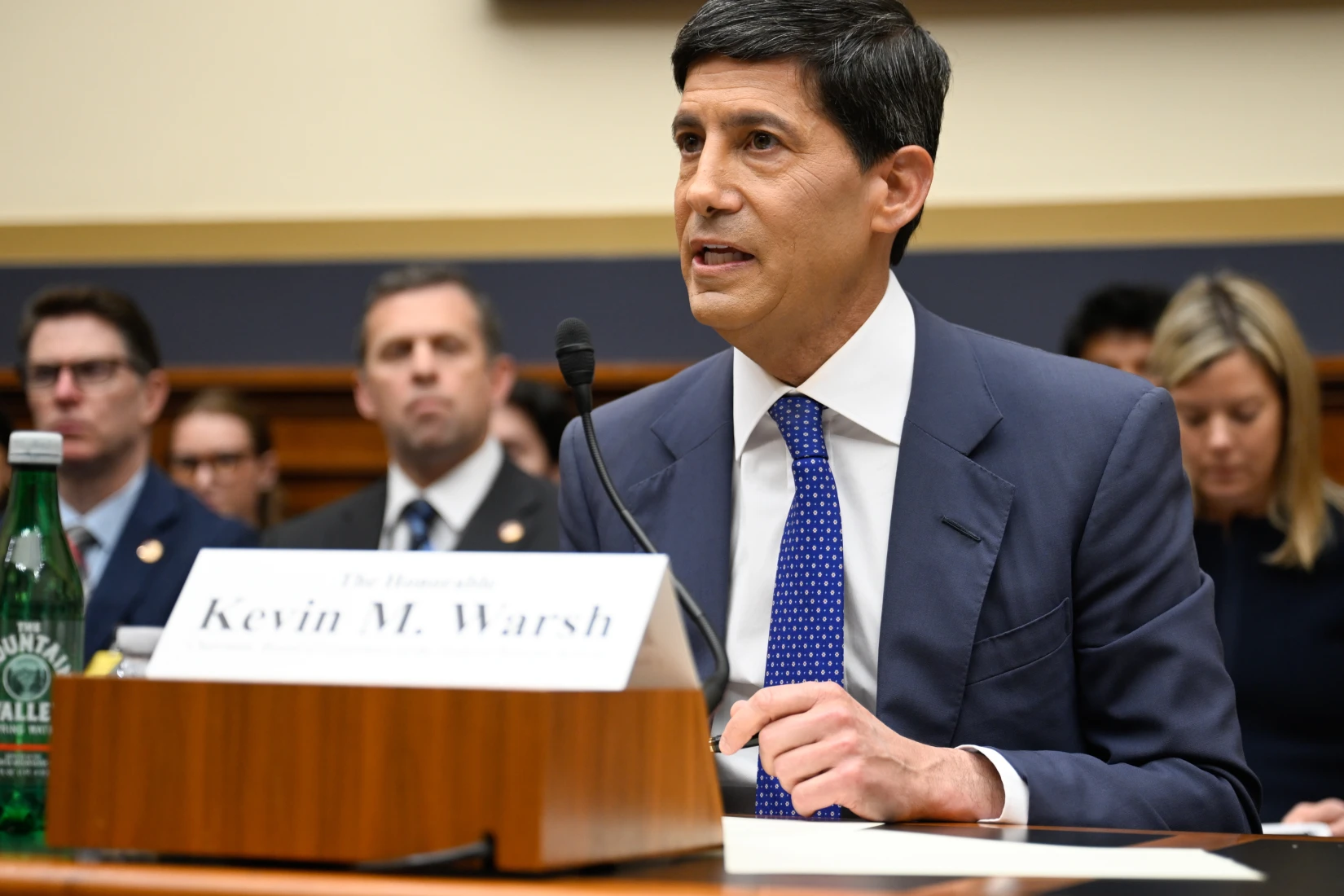
Fed Chair Kevin Warsh Testifies Before House Committee
If you dig deeper, the reality comes out. Almost all of the CPI relief came from one place: energy. A mid-June ceasefire with Iran sent oil tumbling, gas prices then followed, and gas alone accounted for almost the entire monthly decline. Take out food and energy and “core” inflation, the number the Fed actually looks at and cares about, was flat on the month and still running at 2.6% a year, slightly higher than their objective. The prices that don’t swing with a war deal aren’t really cooling at all.
Fed Chair Kevin Warsh, about two months into the job, made sure nobody got carried away. “There might be some that look at this morning’s data and say, ‘Oh, mission accomplished, everything is swell,” he told Congress during testimonies. “That is not my view.” Wednesday’s producer price report came in soft, too, but Warsh brushed the news off as an imperfect measure and kept his options open.
Warsh has good reason to be cautious. The mid-June ceasefire collapsed. New strikes over the weekend, renewed fears about the Strait of Hormuz, and Brent crude is right back around $85 a barrel. In other words, the very thing that made June look so good has already reversed. July’s numbers could undo the entire story of last month.
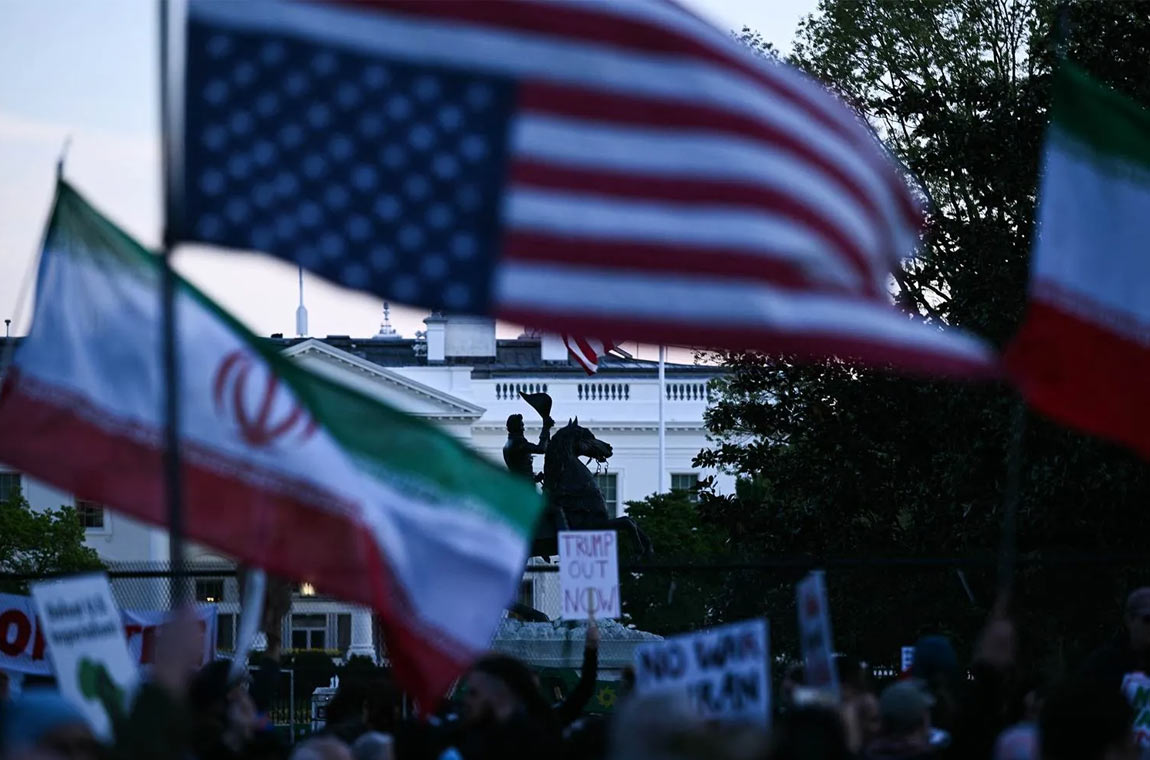
Demonstrators gather outside the White House as U.S.-Iran tensions remain in focus.
Markets chose to celebrate the good news anyway. The Dow closed at a record after the headline, though the rally was lopsided, with AI-linked tech names ripping higher while rate-sensitive areas of the market stayed steady, even as the 10-year Treasury yield remained around 4.5%. Traders aren’t less confident in a rate hike, but nobody is expecting a cut either. The Fed meets July 28th and 29th, and people are assuming it’ll sit tight in the 3.5% to 3.75% range.
It isn’t only prices keeping policymakers on edge. June hiring came in at 57,000 jobs, well under the 110,000 expected, and unemployment came down to 4.2%, mostly because people stopped looking for work, which is not the good kind of decline. The rest of the world is living the same problem. The IMF cut its 2026 global growth forecast this month, Europe’s stock markets fell amid higher oil prices, and China continues to post extremely high export numbers on the back of AI hardware demand.
In the moment, the numbers don’t look that bad, until you look under the hood. Continued tensions between the U.S. and Iran will be a major factor for the macroeconomy in the near future.