The American labor market did not sink in June. It simply stopped moving.
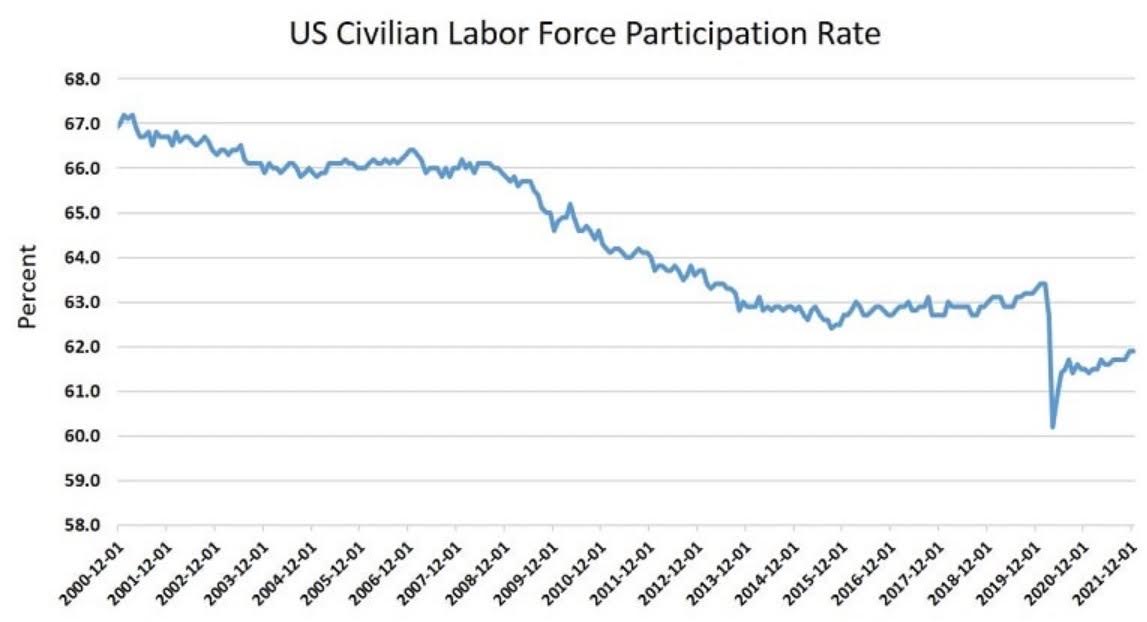
Employers added 57,000 jobs last month, roughly half the 115,000 that forecasters expected and a sharp step down from May’s downwardly revised gain of 129,000 (Bureau of Labor Statistics). On the surface, the unemployment rate falling to 4.2 percent looks like good news. The reason it fell is the problem. The decline was driven largely by a slump in labor force participation, which dropped 0.3 percentage points to 61.5 percent, its lowest level since March 2021 (CNBC). In simple terms, the jobless rate improved because people gave up looking for work. Roughly 720,000 Americans stopped working or looking for work altogether in June (Marketplace). When workers exit the labor force entirely, they no longer count as unemployed, which can make a weakening market look healthier than it is.
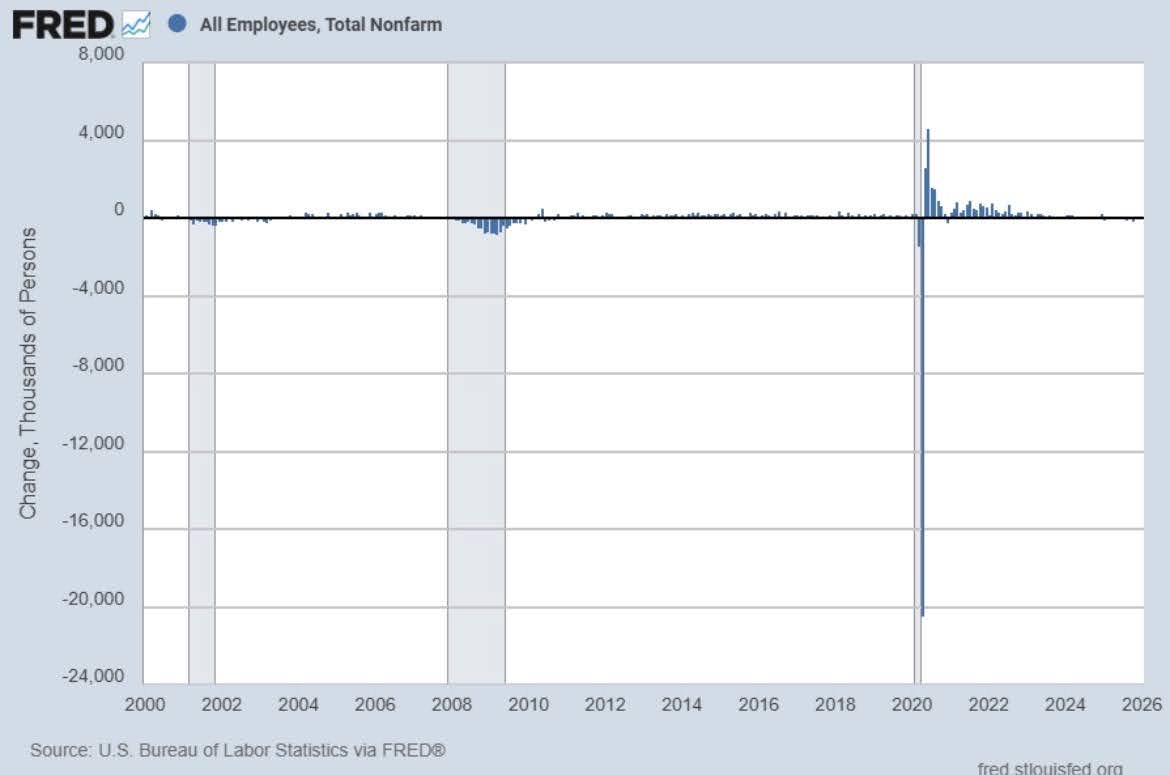
The revisions told their own story. April’s hiring was cut by 31,000 jobs and May’s by 43,000, and the average monthly gain over the past twelve months now sits at just 36,000, a fraction of the pace the economy sustained for most of the recovery (NBC). Even the summer’s built-in tailwinds failed to show up. Leisure and hospitality shed 61,000 positions, a striking result given that the World Cup and the country’s 250th birthday celebrations were expected to lift seasonal hiring (Indeed).
Economists at Indeed’s Hiring Lab captured the moment with a sailing term, calling the market “slack water,” the pause between tides when nothing flows in either direction. Few workers are being pulled into new jobs, and few are being pushed out of old ones (Indeed). That equilibrium feels secure if you have a job, since layoffs remain rare. It feels punishing if you are searching, because almost nobody is hiring.
For the Federal Reserve, the report settles one debate and complicates another. Traders quickly pared back bets on a rate increase as soon as September. Fed Chair Kevin Warsh, who called the jobs picture steady just a day before the release, has kept his focus on inflation, which remains above the central bank’s 2 percent target.
Is this what a recession looks like? Not yet, by most measures. The Sahm Rule, which flags downturns when unemployment rises quickly, stood at just 0.10 in May, well below its trigger, and prediction markets still put the odds of avoiding a recession this year at nearly 87 percent. But the economy is increasingly running at two speeds, with AI investment and record asset prices carrying growth while ordinary consumers grow anxious and stretched.
Slack water, sailors know, never lasts. The question is which way the tide turns.