Washington’s FY 2027 Budget: A War Manifesto
On April 3rd, the White House released its FY 2027 budget proposal. Presidential budgets are often seen as political fiction, rarely surviving congressional committees intact (WSJ). Still, this year’s proposal warrants attention from market analysts.
A presidential budget is a statement of an administration's main goals, unburdened by compromise. The FY 2027 proposal signals a major shift in prioritizing a sustained increase in military spending over domestic investment.
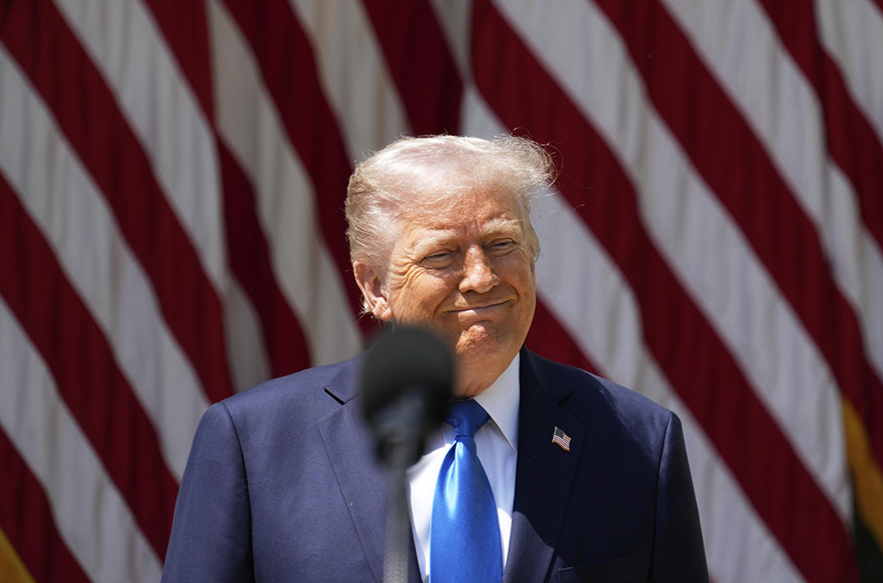
President Trump giving a speech (Science.org).
Budget Slashing
The numbers underscore the administration’s pivot. To free up resources for its global agenda, the White House is proposing large, structural cuts to nearly every non-defense agency (NYT). The Environmental Protection Agency faces a proposed 52% decrease in funding, while the Department of Education could lose roughly $35 billion, severely impacting student loan subsidies and Title I school grants (Bloomberg). The proposal also slashes the Small Business Administration by 67%, effectively dismantling its primary lending programs.
The impact of these cuts would be immediate. Advocacy groups are sounding the alarms, and the National Federation of Independent Business (NFIB) warned that gutting the SBA would freeze Main Street capital at a time when local entrepreneurs are already battling historic inflation. For students, veterans, and business owners, government support and economic safety nets are shrinking.
Investing In Guns
On defense and national security, the administration is requesting almost $1.5 trillion—a projected 43% increase over FY 2026, making it one of the largest peacetime military expansions in modern history (The Economist). This funding supports enforcing maritime restrictions, building domestic semiconductor supply chains, and competing in the artificial intelligence arms race.
Internationally, Beijing analysts view the $1.5 trillion defense request as an aggressive containment strategy. European allies are also expressing anxiety; diplomatic sources suggest that Brussels fears a weakened U.S. consumer market could destabilize global trade(Foreign Affairs). The proposal signals an end to reduced military spending, and global markets are beginning to adjust.
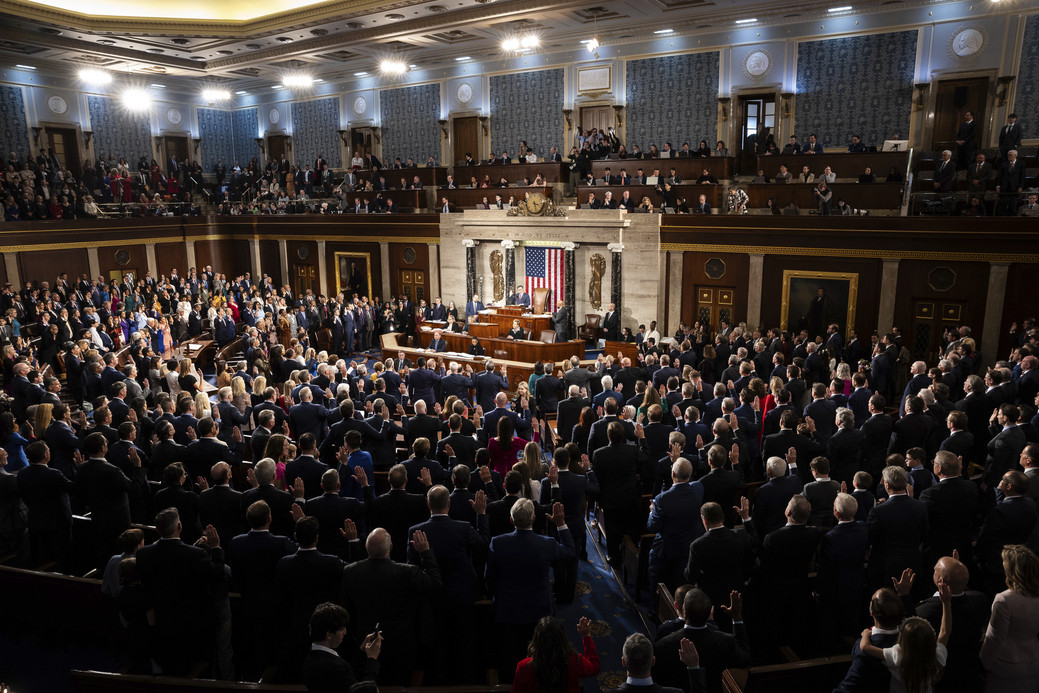
119th congress in session (Politico).
Congressional Divide
The scale of the proposed domestic cuts faces strong opposition in the divided Senate. Senate Democrats have called the document a "draconian non-starter," while House leaders are drafting alternatives. Some Democrats have proposed capping defense spending growth to inflation rates to preserve baseline SBA and Education funding. Others propose that for every dollar increase in Defense spending, another dollar must be spent on non-defense (Politico).
It’s important to remember that by starting negotiations with extreme numbers, the White House is changing what is considered acceptable in budget discussions. This strategy forces agencies to defend current domestic spending rather than request increases (WSJ). Even if Congress only partially accepts the defense increases or rejects the deepest domestic cuts, federal spending priorities could shift for years. The approach puts pressure on opposition lawmakers amid global supply chain uncertainty.
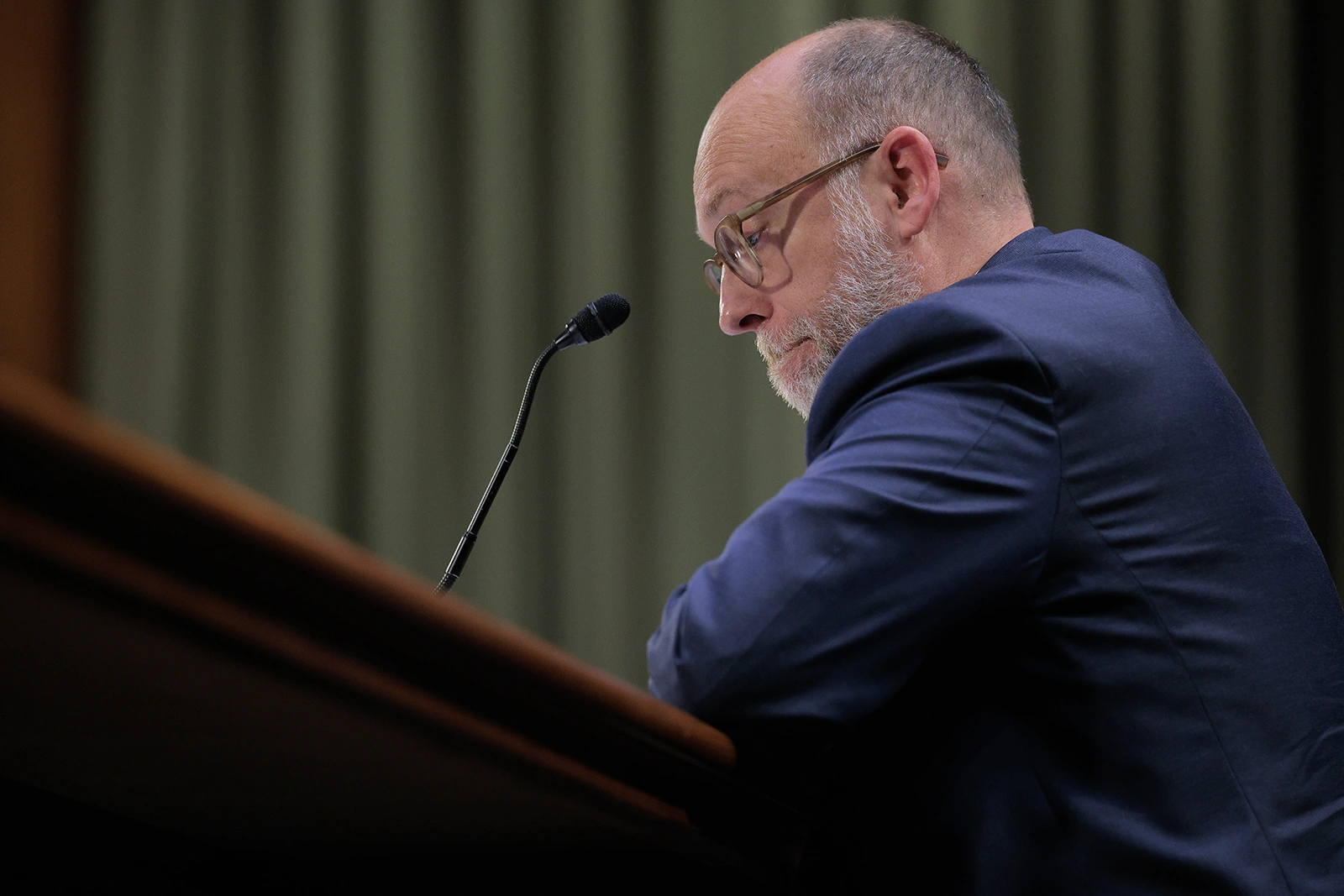
WH Budget Director Vought testifying before congress (MS Now).
The Bill Comes Due
The administration is adopting new financial strategies to adapt to changing global conditions. Moving sanctioned oil, maintaining energy networks, and competing for technological leadership could require a government willing to take on significant fiscal risk.
The FY 2027 budget outlines what Republican-led economic policy would look like for the coming decade. With OMB Director Russell Vought testifying before the House Budget Committee today (April 15th), battle lines for the September 30th government shutdown deadline are set.