The 252,000-Mile Commute: Industrializing the Moon
On April 2nd, 2026, the Artemis II crew surpassed Apollo 13’s 1970 record for the furthest manned mission in space. By Monday, Artemis II was 252,756 miles away from Earth on the far side of the moon (CBS & AP News). While the Artemis crew isn’t planting a flag this time around, the mission serves as a critical feasibility test for a future mission to the Moon’s south pole. By 2030, NASA hopes to set up a permanent base on the lunar surface, beating out competitors such as China and Russia (NYT). However, a base signifies more than just research; it marks the opening of the Moon to rare resource extraction.
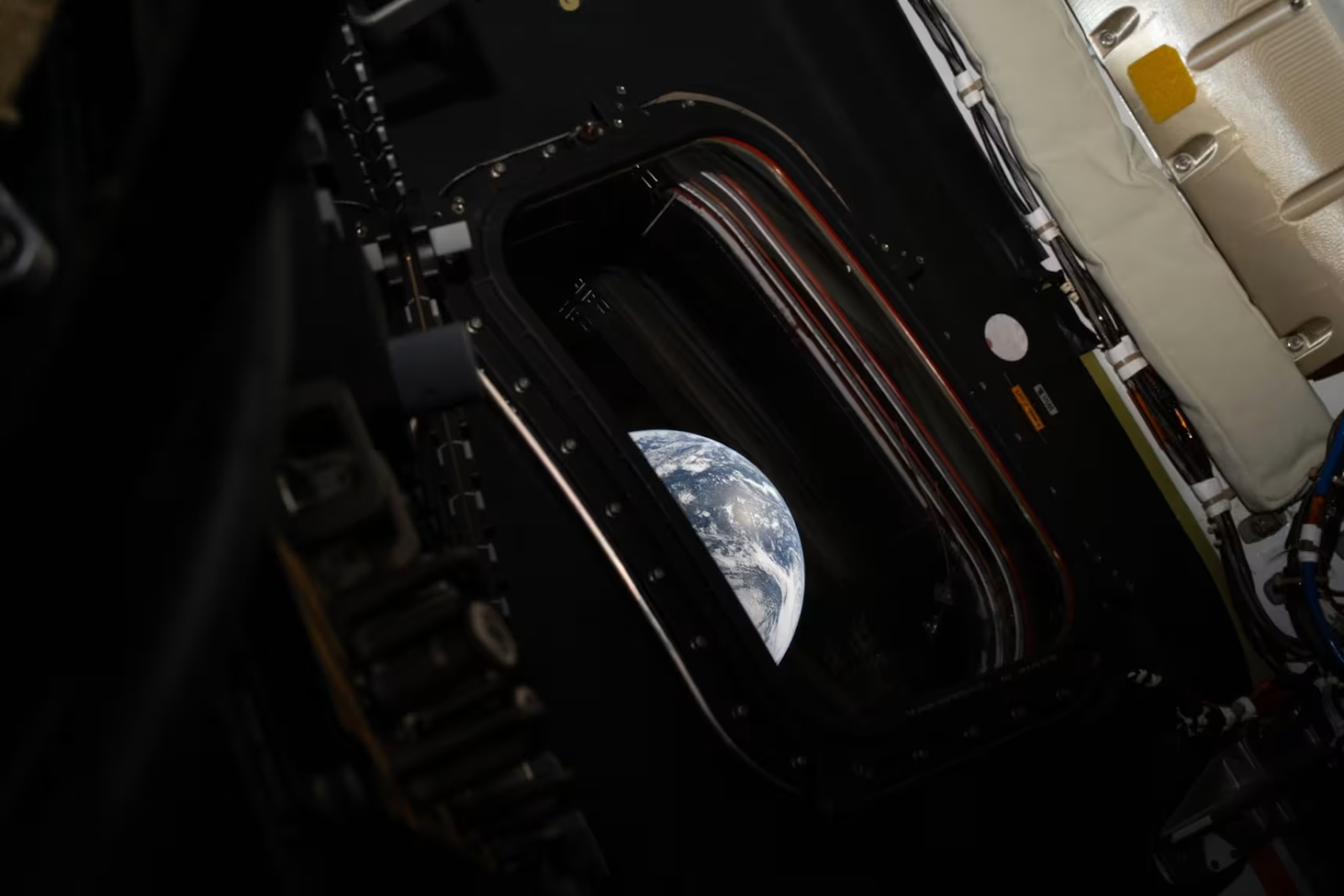
Photo taken from Artemis II commander Reid Wiseman (NBC).
A Helium Gold Rush?
One of the rarest resources on Earth is Helium-3, a gas used in quantum computers and a potential fuel for fusion reactors that could make them twice as efficient as current models (Britannica). This isn’t just a theoretical hunt; it is an industrial race. Seattle-based startup Interlune has already disclosed over half a billion dollars in purchase orders for lunar Helium-3, which acts as an essential coolant for the millikelvin temperatures required by quantum data centers (SEC Filings). The firm is headed by former Blue Origin Execs Rob Meyerson and Garry Lai, as well as former Apollo astronaut Harrison Schmit. On Earth, Helium-3 is a rare byproduct of nuclear decay, but the Moon has acted as a sponge for the gas for billions of years. At a staggering market value of roughly $20,000 per gram, Helium-3 is the only resource with a high enough margin to justify the logistics tax of space shipping.
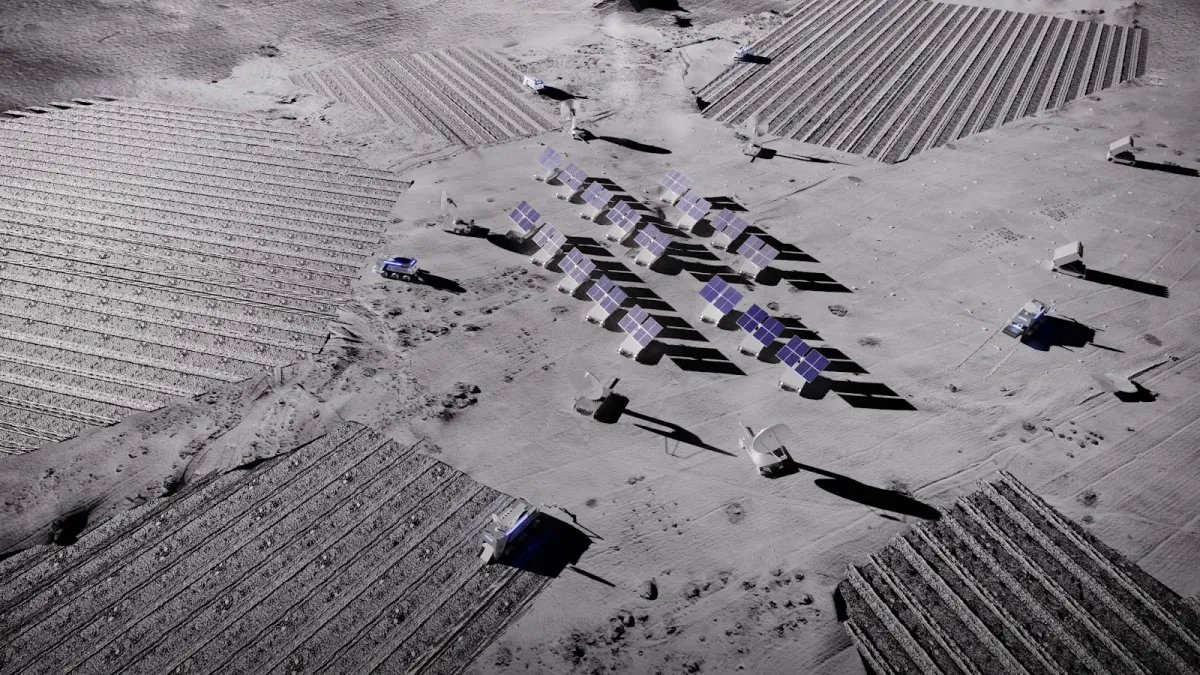
Artwork depicting Interlune's planned lunar mining operations (Space News).
Mining Rights vs. Sovereignty
Before the first shovel hits the moon’s surface, a legal war is being waged over who truly “owns” the rights to use the moon. The 1967 Outer Space Treaty explicitly forbids nations from claiming celestial territory, but the U.S.-led Artemis Accords—now signed by over 60 nations—propose a workaround: while you cannot own the land, you can own the resources you extract from it (NASA & Britannica). To protect these investments, the Accords introduce “safety zones,” which are areas where other nations are barred from “harmful interference.” Critics from the rival China-Russia lunar coalition argue these zones are effectively land grabs for strategic real estate, such as the water-ice-rich craters of the South Pole (Financial Times).
SpaceX: Deplatforming the Apollo Era
If Helium-3 is the gold, SpaceX is the railroad. The next Artemis mission is set to use SpaceX’s Starship for an estimated $2.1 billion per launch contract, costing $2 billion less than Artemis II (WSJ). This is a dramatic shift toward fixed-price contracts for the Starship Human Landing System (HLS) and could save taxpayers billions in additional fees that plague cost-plus models. SpaceX is effectively deplatforming the aerospace industry through vertical integration and reusability. Legacy contractors such as Lockheed Martin and Boeing could be forced to adjust their pricing models just to remain in the conversation (WSJ). Though requiring high R&D costs, Starship currently has an internal build price of roughly $100 million per test flight, with hopes of lowering it to $10 million. SpaceX is creating a logistics monopoly that will determine which firms can afford to reach the lunar surface (Ars Technica).
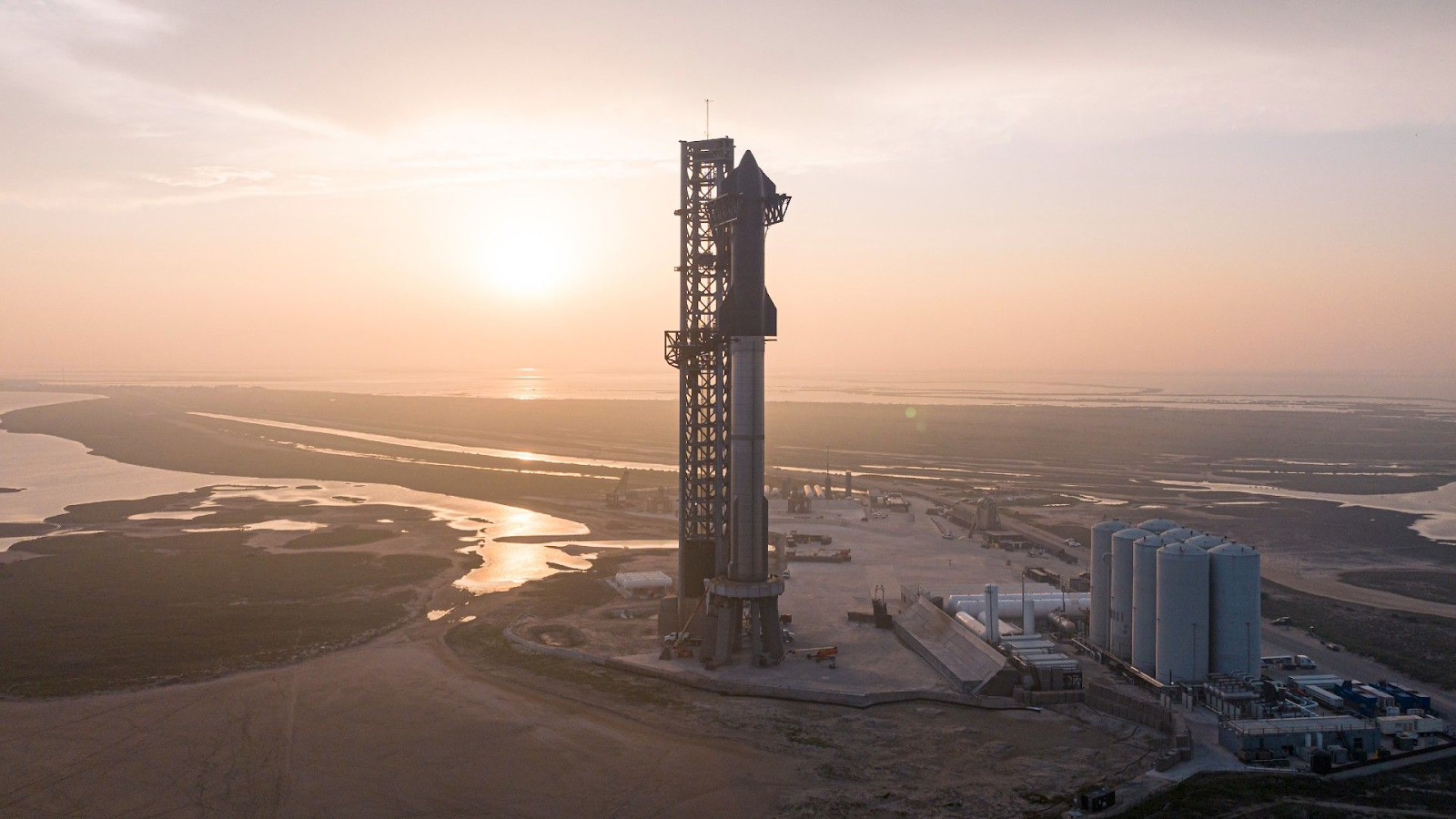
SpaceX Starship on launch pad (Space.com).
Looking Ahead
When the Artemis II crew splashes down this Friday, April 10, 2026, it is paving the way for science and “space industrialization” (CBS). Despite the nearly $105 billion price tag of the Artemis program, the cost of falling behind in a renewed space race is too great to ignore (The Planetary Society). The next decade will determine who could lead the solar system's first extraterrestrial economy.