Powell Remains Course, but Oil and Inflation Are Closing In

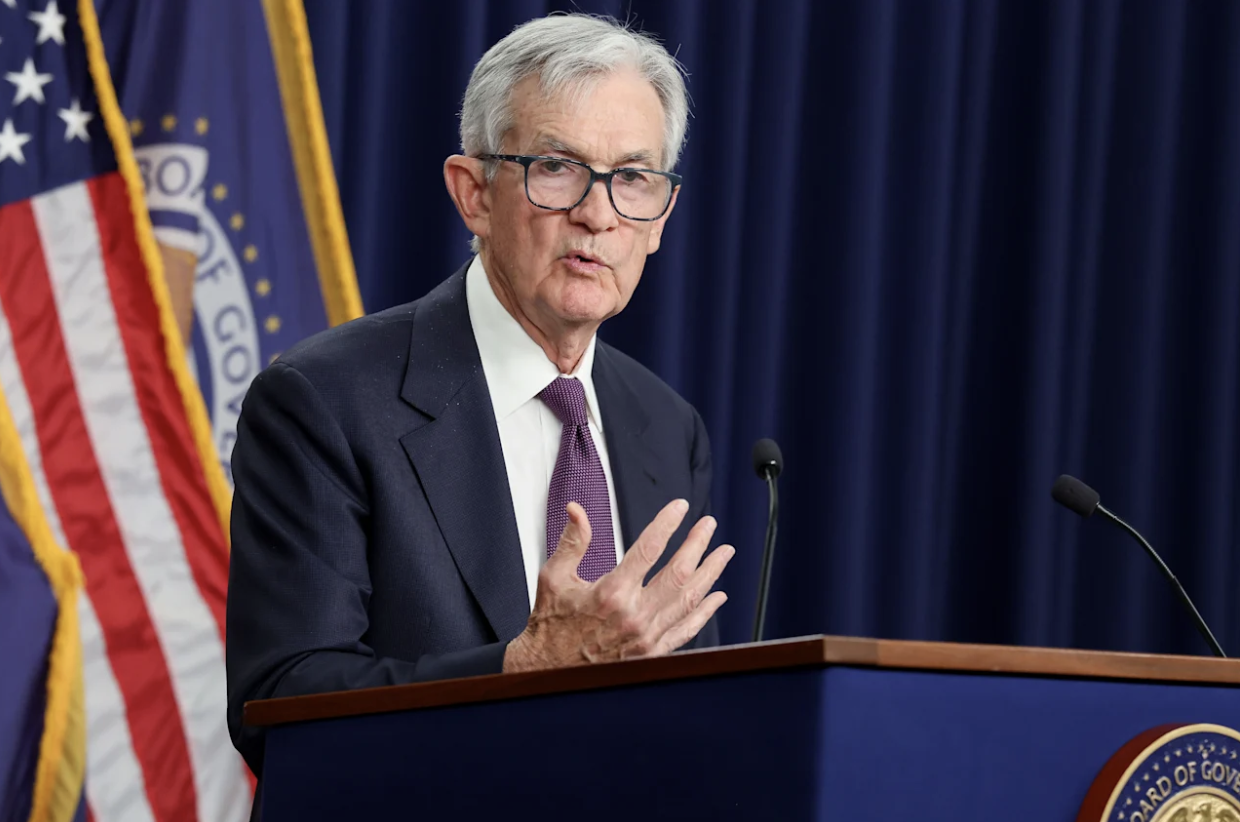
The Fed did exactly what everyone expected on Wednesday — held rates steady, 11-1, for the second meeting in a row. But nobody was really watching the vote. They were watching Powell. And what came out of the projections and the press conference wasn't exactly comforting. The numbers were fine on the surface; it was the tone underneath them that caught people's attention.
The biggest thing hanging over all of it is the U.S.-Israeli war with Iran. Oil has gone from under $80 a barrel to $108 in just a few weeks, gas prices are climbing at the pump, and wholesale inflation was already running hot before any of this started. The Fed was already in a tough spot trying to cool inflation without tipping the labor market, and now it has an oil shock to deal with on top of it, giving headaches to everyone involved.
The Fed waited too long. Inflation cooled, giving Powell a window to cut rates, but instead of acting, the Fed held. Now, it's stuck at a high rate right when a major external shock hits, such as the war in Iran. With the war escalating daily and the Strait of Hormuz still blocked, it's unclear how long this disruption will last or how deeply it will affect American borrowing costs. That window to ease policy has now closed, and that's their fault.
The numbers told a mixed story. The Fed moved its 2026 GDP growth forecast up to 2.4% and left its unemployment projections flat at 4.4%, but had to raise its inflation forecast to 2.7% from 2.4% back in December. They're still penciling in one rate cut this year and another in 2027, but they weren't exactly confident about when, and behind the scenes, the committee is more split than the official projections let on.
For borrowers, none of this is good news. Mortgage rates, credit card rates, and business borrowing costs aren't going anywhere for a while, making it difficult to increase investment. Markets sold off after the press conference, and with oil still climbing and inflation heading the wrong way, the window for cuts keeps getting smaller.
Most economists aren't ready to call a recession yet. The base case is still that inflation rises temporarily while the job market holds steady, as long as the oil shock doesn't drag on too long. But that's a big “if” because if the Strait of Hormuz stays closed past mid-April, oil goes higher, costs spread through the whole economy, and what's currently in the back of people’s minds becomes the main conversation.