Conflict & Crude
On the morning of February 28th, 2026, President Donald Trump announced “major combat operations”, codenamed Operation Epic Fury, against the Islamic Republic of Iran. The initial wave involved long-range missiles as well as stealth aircraft, which targeted senior leadership in the country's capital, Tehran. The US states its goals are “regime change”, as well as a total dismantlement of Iran’s nuclear program, and the destruction of its ballistic missile capabilities. Reports have indicated that Supreme Leader Ayatollah Ali Khamenei, as well as up to fifty other high-ranking commanders, were killed. Iran responded with drones and missile attacks against US bases in Qatar, Bahrain, and Kuwait, as well as direct attacks on Israeli cities.
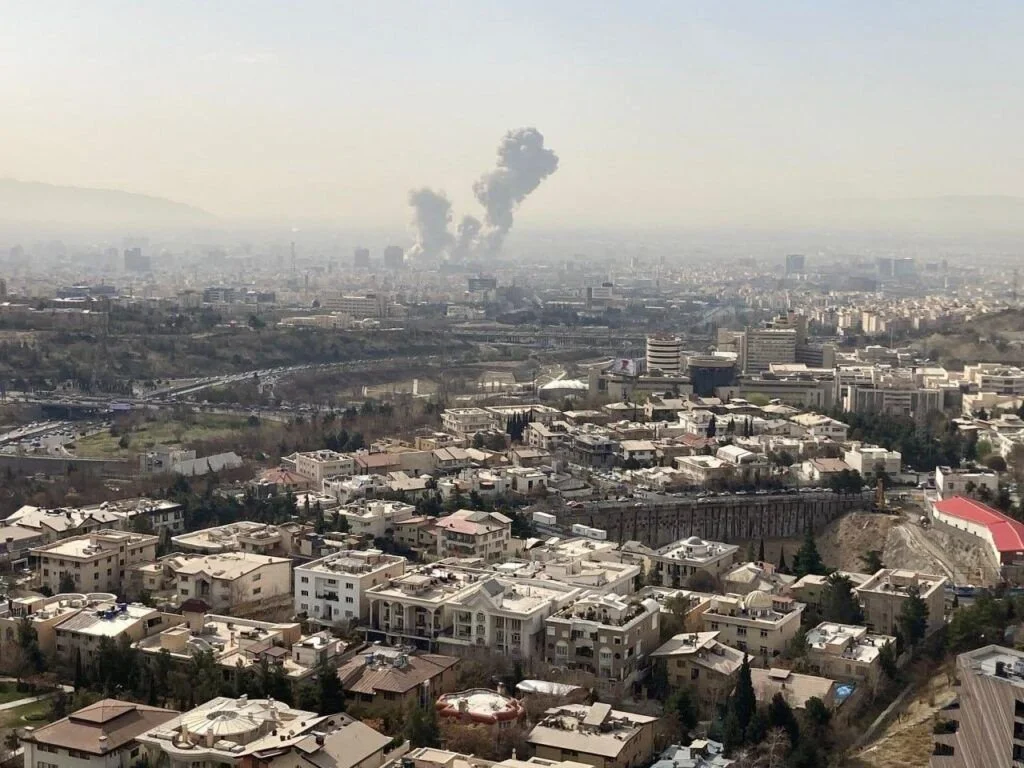
Military Dominance: U.S. and Israeli forces have established air superiority over Tehran and western Iran, having struck over 2,000 targets, including air defense systems, missile silos, and nuclear research facilities.
Key Drivers of the Escalation:
Fallout of Nuclear Talks: Negotiations in Geneva and Oman failed in mid-February. The US demanded that Iran ship all enriched uranium (used in nuclear proliferation) out of the country, which, as some expected, was refused.
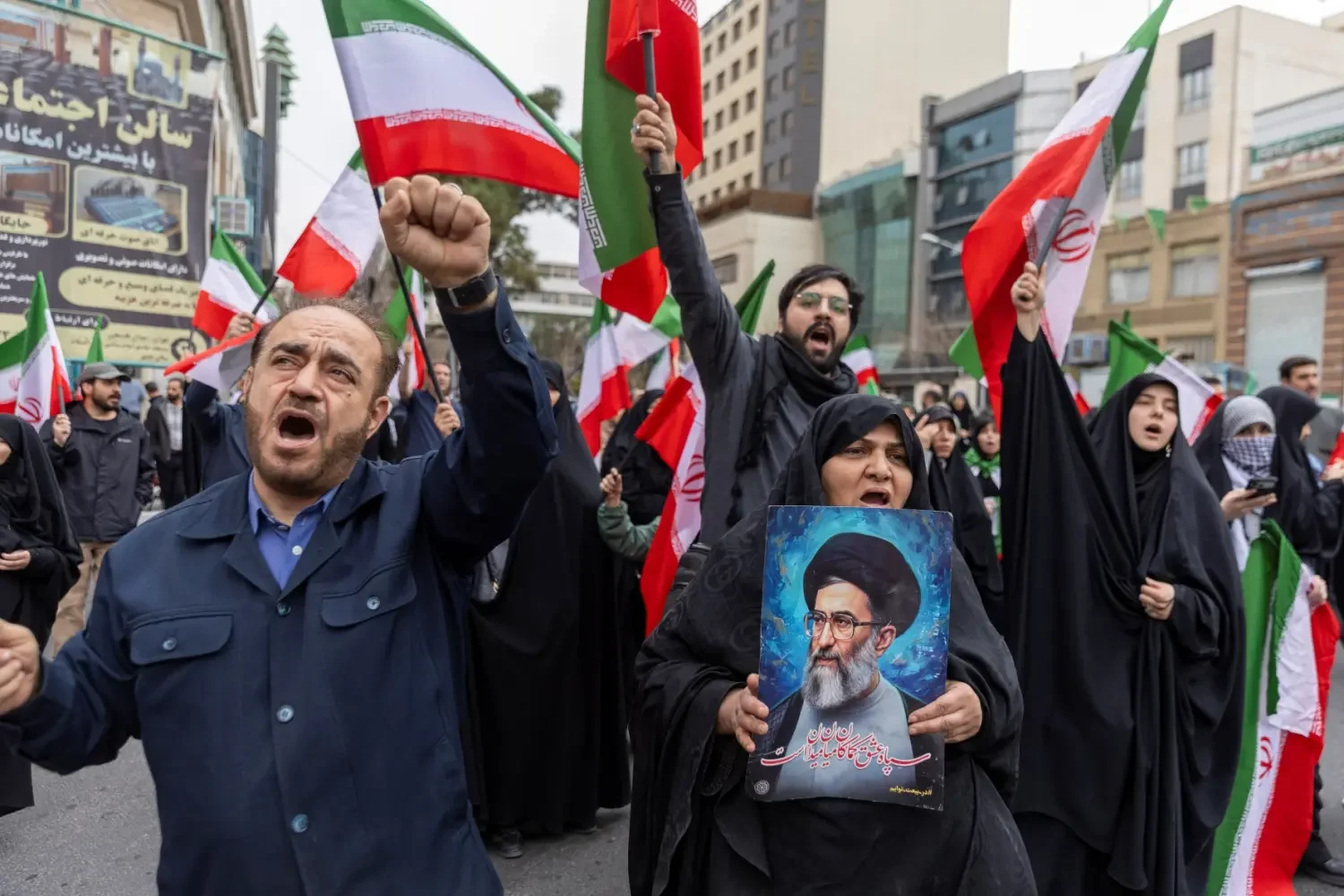
Internal Uprising: Iran was rocked by nationwide protests throughout early 2026. The US administration states that the regime’s violent crackdown, which killed thousands, was a moral justification for intervention
The “Twelve-Day-War”: A brief but intense conflict that occurred in mid-2025 when Israel struck Iranian nuclear sites. The US very briefly intervened before a deal was brokered, resulting in an extremely fragile ceasefire that collapsed soon after.
The primary goal remains regime change and the permanent neutralization of Iran’s nuclear capabilities. However, the risk of a wider regional war remains high as Iranian-backed groups like Hezbollah and the Houthis begin to mobilize
Economic Implications
Following Trump’s military strikes on Iran, global oil prices spiked sharply. The Strait of Hormuz, through which roughly 20% of the world’s oil supply flows, could possibly close altogether. The greater risk however lies in one-off attacks on ships passing through the Strait, as Iran seeks ways to retaliate against the United States and Israel. While the U.S. and Israel have the superior military power to neutralize Iran’s ability to close off the Strait of Hormuz, any such closure would hit global consumers directly at the pump in the near future.
The war lands on a global trading system that is already under stress from Trump’s tariff offensive and the lingering fragmentation of supply chains since COVID-19 and the war in Ukraine. The Strait of Hormuz is the single most important chokepoint in global energy trade, and it now sits in an active warzone. - ING
Although oil isn’t yet cut off, traders are already driving prices up amid fears of disruption. Higher energy costs ripple across the broader economy, affecting the costs of countless goods and services. Uncertainty remains at the forefront of all discussions. Tim Duy, chief U.S. economist at SGH Macro Advisors, stated that “the conflict with Iran is a wild card, though markets may quickly lose interest if the situation looks likely to devolve from a regional to an internal conflict.
Trump and his cabinet are not entirely worried about a lack of oil. The United States’ position as the world’s largest oil producer helps ease concerns about rising oil prices resulting from the conflict. With the U.S. adding around 13 million barrels a day to global supply, an event like this is felt significantly less. What happens next is largely up to Capitol Hill and the executive branch.
Closing Thoughts
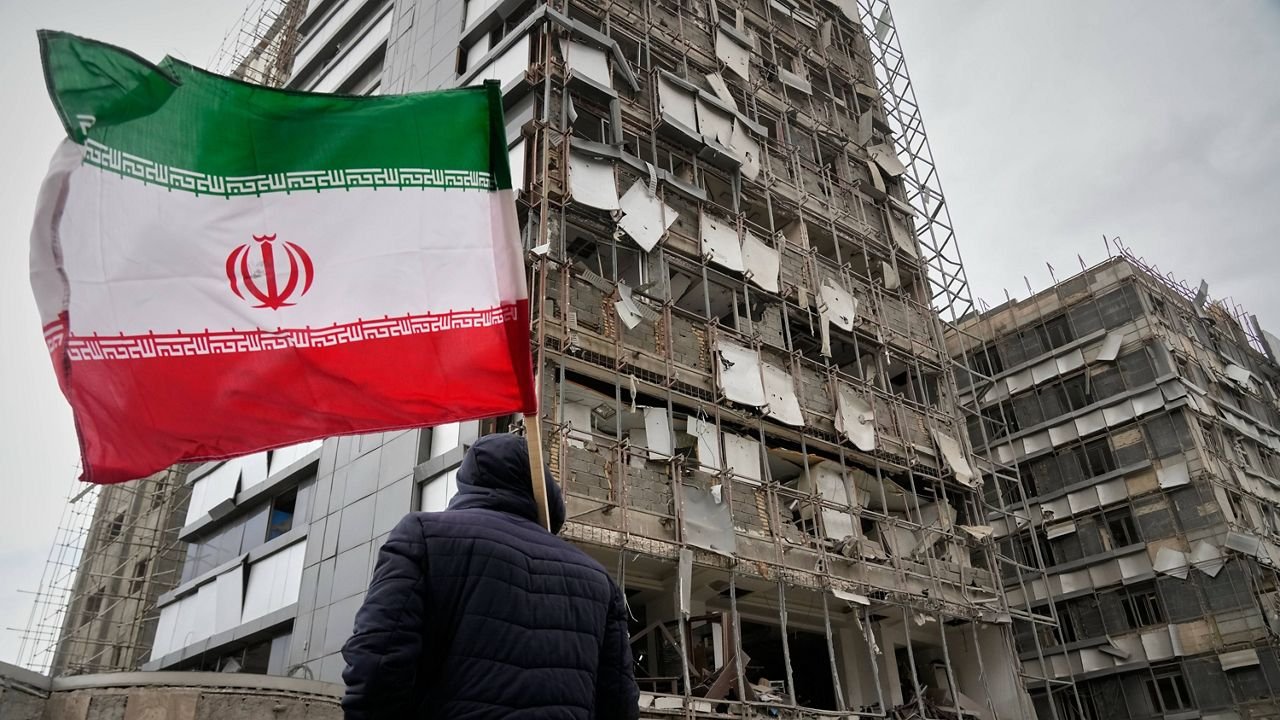
The transition from a "Cold War" to active combat between the U.S. and Iran represents more than just a military shift; it is the collision of decades of unresolved history with a modern world that no longer has the patience for "status quo" tensions.
We are only on day three of a conflict that the world hoped would be measured in hours, not weeks. In just this short time, the combined might of the United States and Israel has effectively dismantled the upper echelons of the Iranian government. While Western forces have established air superiority over much of the country, the situation on the ground remains a volatile portrait of chaos, where the lines between "liberation" and "collapse" are increasingly blurred.
It is a sobering reminder that while technology can map a battlefield and missiles can topple monuments, they cannot easily mend the fractured soul of a nation. We find ourselves at a familiar, haunting crossroads in history: a moment where the pursuit of security meets the high price of sovereignty, and where the promise of peace is often written in the ink of further conflict.
As the smoke clears over Tehran, we are left to wonder if this is truly the dawn of a long-awaited freedom for the Iranian people, or simply the start of a much longer, darker winter for the world.
Stay Safe.