Conviction and Caution in the AI Boom
Last week, NVIDIA released its Q4 earnings report for last year, which reinforced the continued growth in AI. The company reported $68.13 billion in quarterly revenue, a 73% year-over-year increase, alongside a surge in net income. This growth is exciting when looking ahead to the future of AI, as many other AI-based companies, such as Meta, also saw large increases in revenue. On the surface level, this looks like an exciting opportunity for companies and investors to make large profits in the long run. Still, although many analysts and companies remain bullish on AI, skepticism persists regarding the sector’s durability and risk.
Investing Approach
So, what does this mean for companies and investors' allocation of their money? Are they willing to gamble on the risk of this new and foreign technology? Is there a way to be bullish on AI growth while simultaneously mitigating the risk of long-term growth?
We are in a unique period when traditional market trends are less reliable. In recent years, as interest rates have risen, stocks and bonds have fallen together, prompting companies, investors, and portfolio managers to rethink the 60-40 approach, which was designed to mitigate risk (60% stocks, 40% bonds). While this framework is still an excellent strategy for allocation diversification and growth, companies like J.P. Morgan Chase & Co. look to market guarantees.
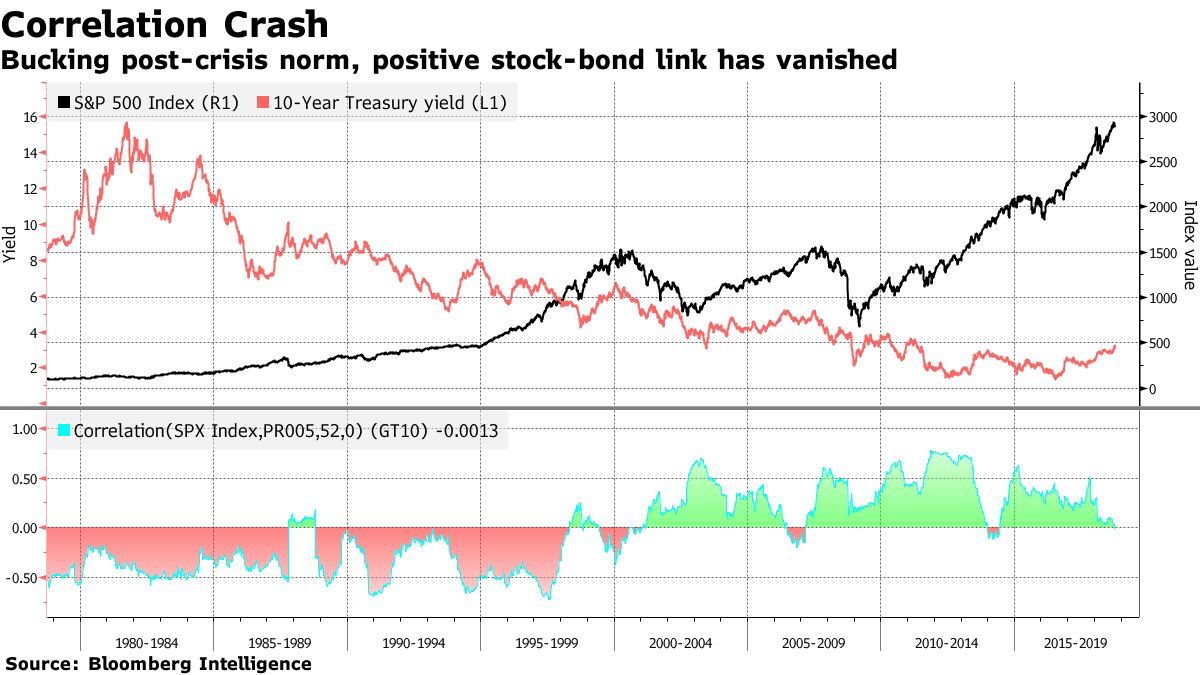
Bloomberg discusses the causes and effects of the stock/bond correlation
As a company or an investor, it is rare that you hear the word guarantee in any capacity when analyzing the market. Recognizing the risks associated with too much concentration on AI, institutions such as J.P. Morgan Chase & Co. continue to allocate a significant portion of its assets under management to private markets that are not AI-focused. J.P Morgan Chase & Co. has roughly $213 billion invested in private equity, real estate, infrastructure, and private credit. These are fields that, despite advances in AI and production, will not go extinct anytime soon, ensuring stability in their portfolio.
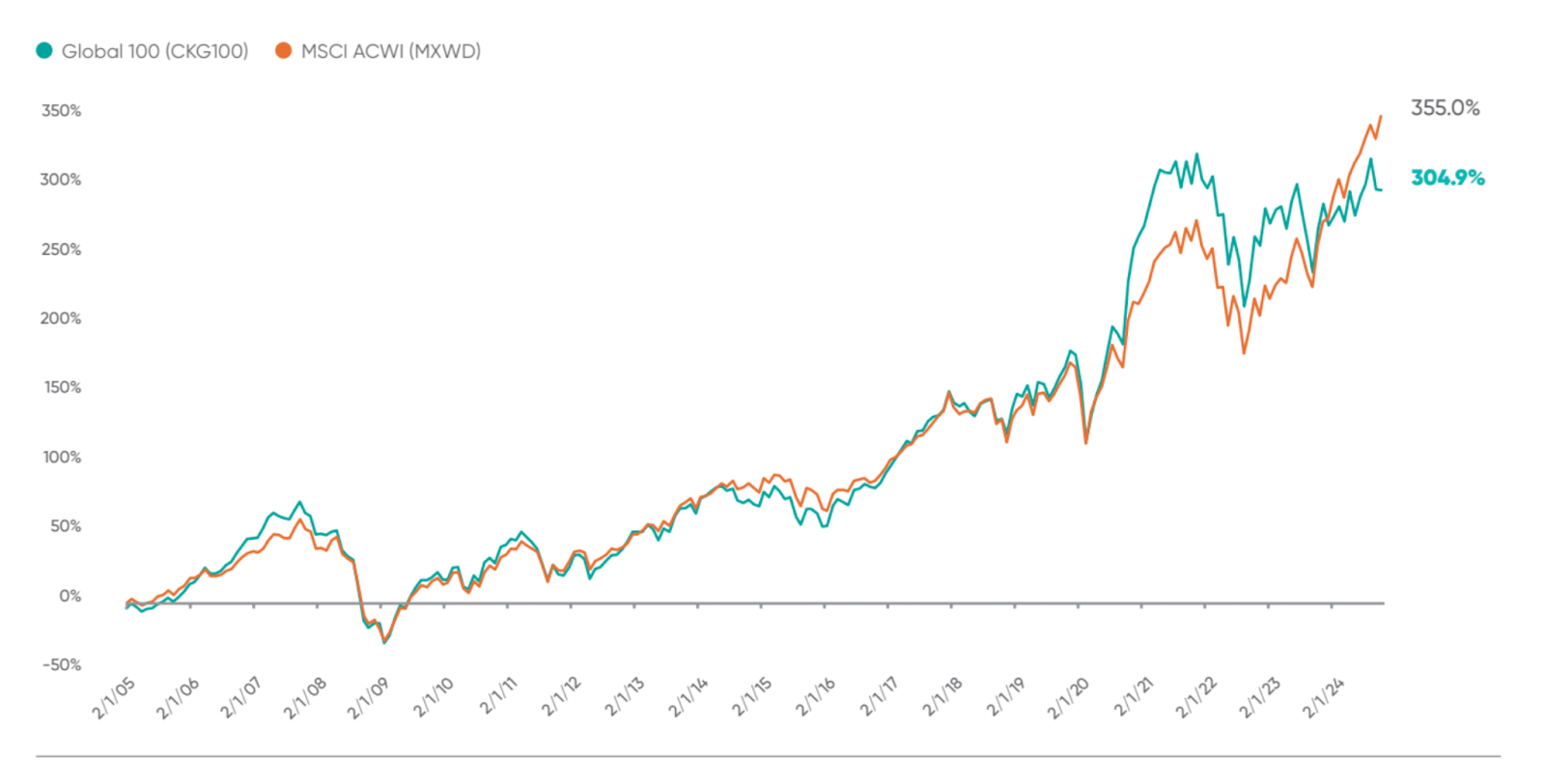
Corporate Knight shows the growth of sustainable companies over the past 20 years
We are forced to look at a variety of aspects when investing money, and can be sucked into the tunnel vision of growth that AI has shown over the last year-plus. It is important to acknowledge industries and assets that will remain unaffected by the AI empire's potential long-term growth, to ensure continued growth and capacity.
Now, will there be a resurrection in money moving toward sustainable companies for a more conservative profitability rate, or are we looking to hop on the AI train for potentially fast, high returns at higher risk? In my mind, we will continue to balance both: pursuing innovation-driven growth while maintaining exposure to more stable sectors.