The smallest U.S. host city has the most to prove. Here's what the 2026 World Cup means for Kansas City's economic future.
$653M+ | Projected direct economic impact
+145% | Hotel rate increase YoY, highest among all U.S. host cities
The Smallest Market with the Largest Ambitions
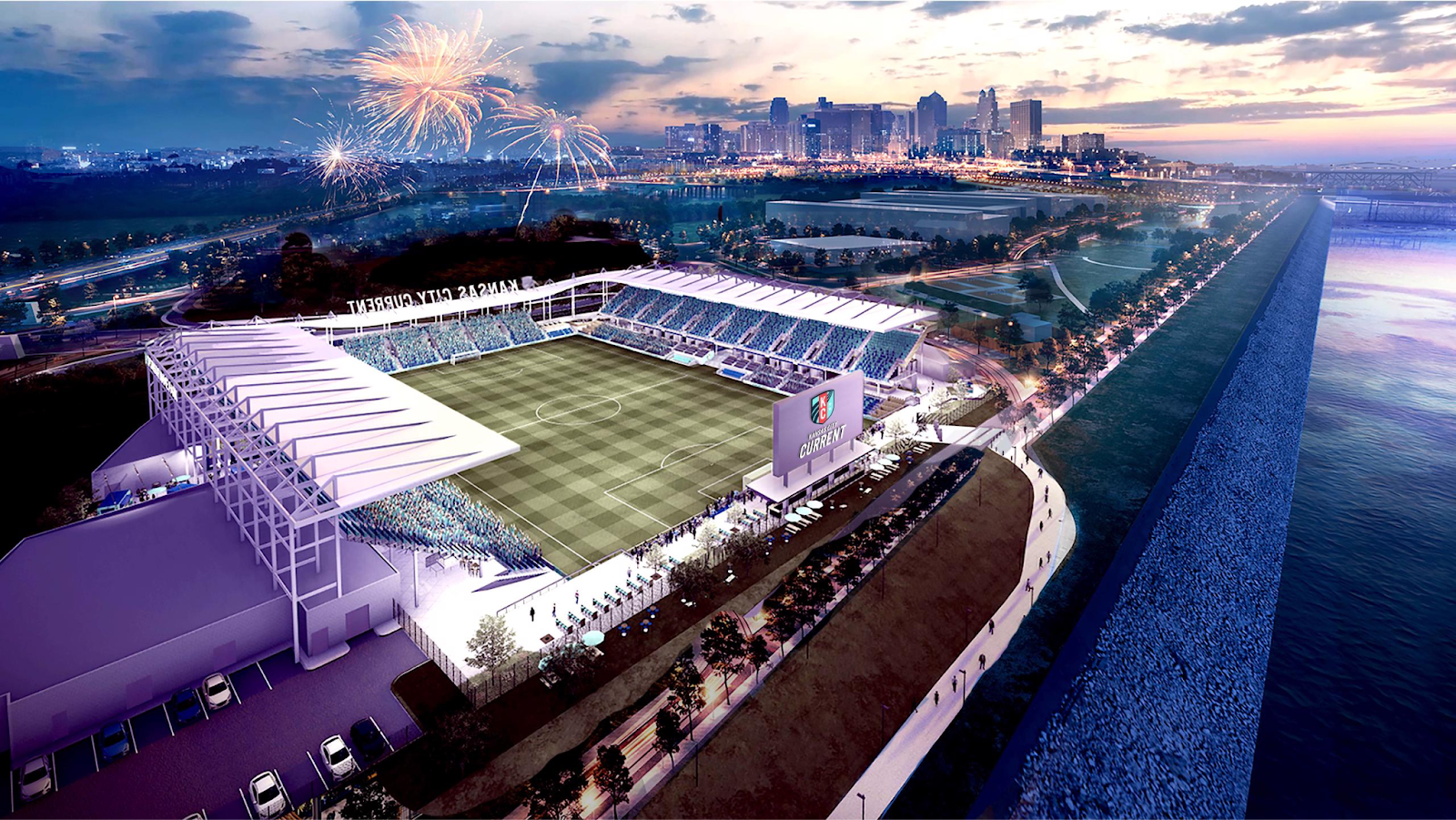
With a metro population of roughly 2.2 million, Kansas City is the smallest market among U.S. World Cup host cities. Yet over the past 15 years, it has invested more than $650 million in soccer-specific infrastructure, building a sustained case for being called America's soccer capital.
The World Cup is the first large-scale test of whether that investment pays off.
$165M World Cup Readiness Spend
- New airport terminal for international access
- Fleet of ~200 buses for visitor mobility
- Chiefs stadium renovated to FIFA spec
- International destination marketing campaign
Demand Signals
- Hotel rates up 145% YoY (July 2025–Jan), the highest surge of any U.S. host city
- Short-term rental occupancy outpacing other host markets
- Local businesses are scaling aggressively in anticipation
Match Schedule
June: Group stage matches
Teams from at least 7 countries, 4 continents, based in KC
July 3: Round of 32: Arrowhead Stadium
July 11: Quarterfinal: Location TBD
Nearly one month of sustained global visibility across 6 matches
The Open Questions
Short-term wins are already materializing through pricing power and visitor demand. Whether they compound into something durable is the harder test. Execution across transportation, visitor experience, and small business readiness will determine whether this is a one-time windfall or an inflection point.
Local entrepreneurial confidence is a positive signal: businesses like El Cafe Cubano and KC Style Haus are actively scaling to meet demand, suggesting grassroots economic participation beyond large corporate beneficiaries.
The Bottom Line
Over the coming weeks, Kansas City will effectively run a live case study in event-driven economic transformation. For investors, policymakers, and local stakeholders, the question is whether this moment converts into sustained tourism growth, new business formation, and long-term brand equity as a global soccer city. With the world watching, the stakes couldn't be higher.