The LIV Golf tour was created in 2021, rivaling the PGA Tour, which had dominated professional golf up until that point. The LIV Golf Tour was created with massive financial backing from Saudi Arabia’s Public Investment Fund (PIF), which invested roughly $6 billion over the last five years in the league to compete with the PGA Tour. LIV quickly grew popular amongst professional golfers for the enormous prize pools and guaranteed money for playing in the league. The PGA Tour banned players who were playing in LIV from its own events, forcing these professionals to choose between money and loyalty. With the Saudi funding recently pulled, the league and LIV professionals are scrambling.
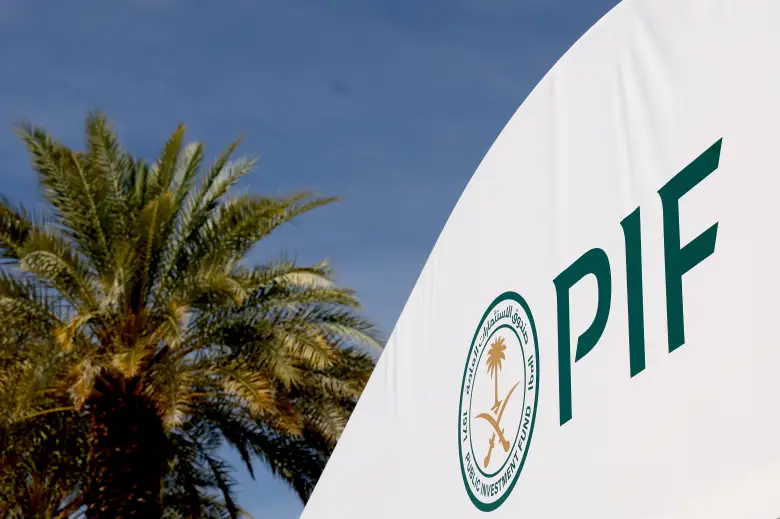
The funding being pulled raises larger economic questions about foreign investment in American sports and entertainment industries. LIV Golf has relied almost entirely on money from Saudi Arabia’s Public Investment Fund rather than traditional profits from ticket sales, sponsorships, and television deals. Because the league has spent far more money than it has earned, many critics argue that LIV Golf is not financially sustainable without outside support. LIV’s primary financial issue was that it could not secure a big-time television deal in the US due to the network’s prior deals with the PGA Tour. If the LIV tour crumbles after Saudi investors back out, it would show how dependent certain American industries can become on foreign capital. This could make businesses and cities connected to LIV Golf financially vulnerable if international investors suddenly change their priorities.
The financial uncertainty surrounding LIV Golf could affect several sectors of the American economy. Private equity and private credit firms may become more cautious about investing in expensive ventures that rely heavily on outside funding rather than profitability. The situation also highlights the importance of foreign investment in the United States, since LIV Golf relies on Saudi Arabia’s Public Investment Fund. Reduced funding could lower investment confidence across multiple American industries and financial markets.
Overall, LIV Golf’s financial challenges demonstrate how closely connected sports and the broader American economy have become. LIV’s lack of funding can impact not only professional golf but also investment strategies, media, and local businesses across the country.

The league’s dependence on foreign capital also raises concerns about the long-term stability of industries supported by international investors within our borders. As LIV Golf’s future remains uncertain, its financial situation illustrates the risks of relying heavily on external investment to sustain growth.