

The Price Surge
Beef prices have come into focus as grocery costs continue to rise, with ground beef up roughly 17% year-over-year while overall grocery prices have climbed as well. Since early 2025, prices have increased from about $5.55 per pound to nearly $6.75, yet consumer demand has remained resilient. For many households, beef remains a staple protein, and shoppers have shown a willingness to absorb higher prices rather than shift away entirely.
Why Prices Are Rising and Policy Response
The current supply squeeze dates back to the pandemic, when cattle producers reduced herd sizes amid financial pressure and uncertainty. Rebuilding herds is a slow and costly process that requires significant investment in breeding cattle, feed, and land. Many ranchers have hesitated to expand due to financial risk, particularly amid concerns about drought and higher input costs. As a result, supply has struggled to keep pace with steady consumer demand, keeping prices elevated.
Beyond herd rebuilding, input costs continue to shape the outlook for beef prices. Feed, labor, and transportation expenses have all remained elevated, making expansion decisions more complex for producers. Even as prices rise, higher operating costs can offset potential gains, limiting how quickly ranchers are willing to grow their herds. This dynamic keeps supply tight and reinforces the likelihood that beef prices will remain elevated until producers see more stable cost conditions and greater confidence in long-term demand.
In an effort to ease supply constraints, the federal government has taken steps to increase beef imports, including a recent move to expand imports from Argentina. While the additional supply may be relatively small compared to total U.S. demand, it could help stabilize prices at the margin and signal an effort to address food inflation more broadly. Still, imports alone are unlikely to fully offset domestic supply shortages in the near term.
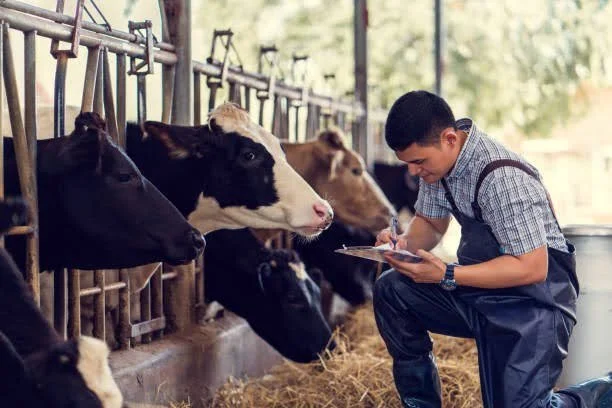
A rancher tracks herd conditions inside a livestock facility
Market Impact and The Prediction
With supply tight and demand holding steady, higher beef prices are likely to support margins for producers and large grocery chains. At the same time, consumers may gradually shift toward alternative proteins such as pork and poultry, which have shorter production cycles and can respond more quickly to demand changes. This shift could help balance the broader protein market, even if beef prices remain elevated. Cattle inventories are unlikely to return to pre-pandemic levels for several years. Herd rebuilding takes time, and producers remain cautious about expanding too quickly. In the meantime, increased production of pork and poultry will likely help fill the supply gap, but beef prices are expected to remain relatively high as the market works through ongoing supply constraints.
The grill isn’t going cold — but it’s definitely getting more expensive.