Turbulence at 35,000 Feet
Few industries are as exposed to geopolitical shocks as aviation. The closure of the Strait of Hormuz, a chokepoint for roughly a fifth of global oil supply, drove jet fuel prices to $4.88 per gallon by early April, nearly double prior levels. What followed was one of the most volatile stretches for the airline industry in years.
Spirit’s Last Stand
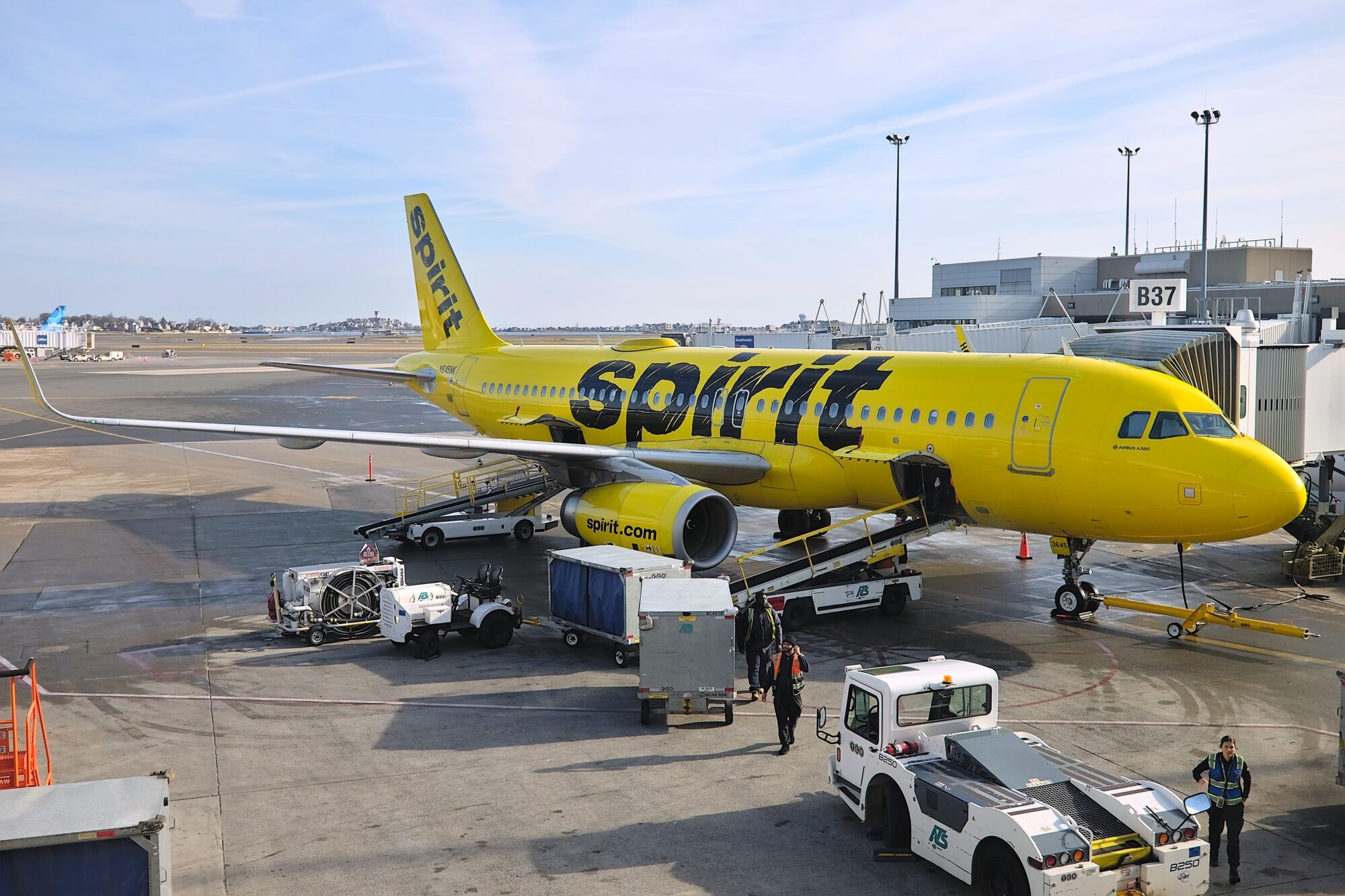
No airline has been hit harder than Spirit. The budget carrier, which emerged from its first bankruptcy only to face a second, had built its entire restructuring plan around an assumption about jet fuel costs. In February, it appeared to have cleared the hurdle, negotiating an agreement in principle with creditors to slash its debt load from $7.4 billion to $2.1 billion. Then the Strait of Hormuz closed, and the sudden doubling of fuel costs gutted the financial projections underpinning that restructuring. Spirit’s model of ultra-low fares and high-volume flying, already a fragile business, became nearly impossible to sustain. By mid-April, sources close to the airline told CNBC it could face liquidation within days.
Spirit is now floating the idea of offering the U.S. government an equity stake in the company, effectively asking Washington for an emergency bailout in exchange for partial ownership. Executives are expected to meet with Transportation Secretary Sean Duffy to request emergency funding totaling hundreds of millions of dollars. The proposal has drawn skepticism from analysts and aviation commentators, who argue that a carrier with Spirit’s structural vulnerabilities would require not just a cash infusion but a fundamental rethinking of its business model to survive in a high-fuel environment.
The Potential Merger
It is in this turbulent context that United Airlines CEO Scott Kirby floated the idea of acquiring American Airlines in a February meeting with President Trump. The proposal to combine the two airlines would give the merged entity roughly 40% of domestic capacity.
America’s response was swift and unusually forceful. The airline said it was “not engaged with or interested in any discussions regarding a merger,” calling a combination “negative for competition and for consumers.” That language matters. Rather than push back on price or strategic fit, American raised a direct antitrust objection — effectively poisoning the well.
By framing the deal as anticompetitive, the company has taken a position it cannot easily walk back. Any reversal would invite scrutiny from regulators, who would almost certainly point to American’s own prior statements. And regulators have little patience for behavioral fixes to structural problems. Promises to share savings or protect consumers carry limited weight against a transaction that would concentrate a large share of the market.
Antitrust experts have echoed that skepticism, describing the deal as facing “incredibly long odds” at the Justice Department regardless of who sits in the White House. In practical terms, America’s response is not a negotiating tactic. It is a clear signal that a merger is unlikely to move forward.
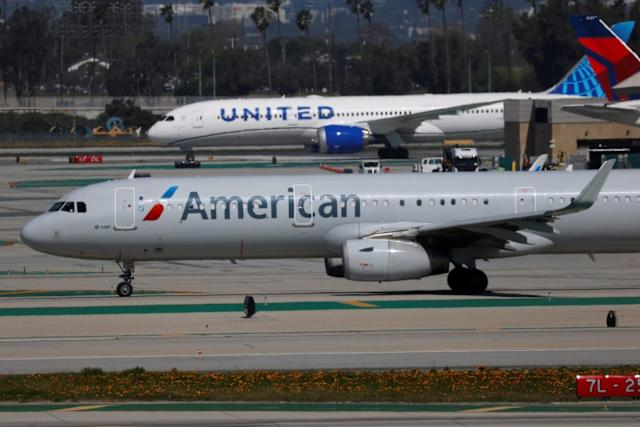
Major stories playing out across the airline industry right now — Spirit’s survival bid, the merger speculation, and the fuel-driven earnings pressure – are all, at root, the same story. A single geopolitical event in the Middle East has set off a chain reaction that is reshaping the economics of an entire domestic industry. The weaker players face extinction. The stronger ones face hard choices about costs, capacity, and consolidation. All the while, millions of American passengers face higher fees, fewer routes, and longer security lines, courtesy of a DHS shutdown that, as of this writing, remains unresolved. The ongoing partial shutdown of the Department of Homeland Security has left the TSA's 50,000-plus officers working without full paychecks since February. Aviation, perhaps more than any other consumer industry, is a mirror of the macroeconomy. When oil prices spike, fuel costs surge. When government agencies go unfunded, airport operations grind down. When geopolitical risk rises, demand softens, and financing tightens. This spring, every one of those pressures has arrived at once. How the industry navigates them will say a great deal about which airlines are flying five years from now, and which ones are not.