In the evolving world of high technology, Mark Zuckerberg provided the initial vision for “personal artificial intelligence”. It is Susan Li, Meta’s Chief Financial Officer, who is building the physical and financial infrastructure to house it. Li has shifted Meta's focus from metaverse-first to AI-infrastructure-first—a pivot that represents one of the most aggressive capital-deployment strategies in the history of finance. Li’s primary focus has been on monetizing Meta’s Family of Apps, which includes Instagram, Facebook, WhatsApp, Messenger, and Threads. As of April 2026, she has guided Meta toward a projected capital expenditure range of $115 billion to $135 billion for 2026 alone. This is not just a budget expansion. It is a structural bet on AI Infrastructure as the defining moat of the coming years.
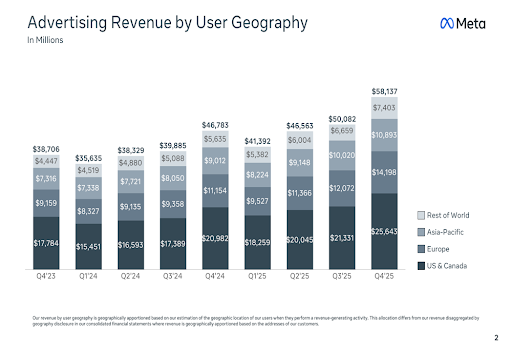
Revenue surge 24% as AI investment increases
The iREV Engine
Central to Li’s strategy is a proprietary metric, internal revenue per engagement (iREV). The measure captures how effectively Meta’s AI ranking and recommendation system converts each user's attention into advertising revenue. By automating ad targeting, Meta reported a 3% conversion lift on Instagram and 3.5% lift on Facebook, which provided cash to fund more ambitious projects. These are not marginal gains at Meta’s scale: they represent billions of dollars in incremental revenue that flows directly into her capital budget.
The mechanism creates a self-reinforcing cycle. Improved AI makes ads more relevant, which increases conversion rates, which lowers effective costs for advertisers, which attracts more advertising spend to the platform, which funds further AI Development. Every new addition to the loop raises iREV and gives meta an advantage over others.
Li describes iREV as much as art as science. The art, she argues, lies in committing $135 billion to infrastructure before the products that will run in it are finished. She is not building for today's AI models—she is building for the ones that do not yet exist.
Meta’s modular data center tent construction 2026
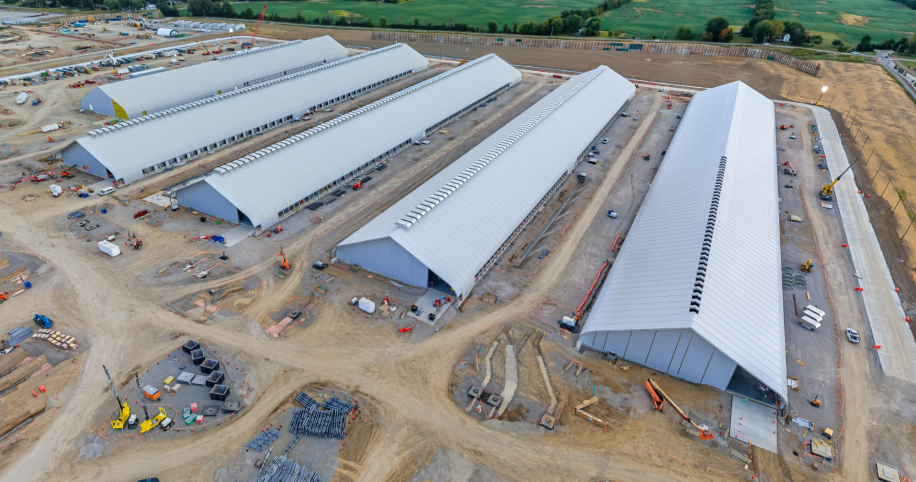
Meta’s modular data center tent construction 2026
The most tangible expression of this art philosophy is Meta’s construction of industrial-grade data centers —tornado-proof tents that can withstand 25 mph winds and last up to 25 years. Compared to other data centers that take 3-5 years, these tents can be built in months. These tents allow Meta to plug in thousands of AI chips, quickly turning its $135 billion investment into a working AI machine faster than others.
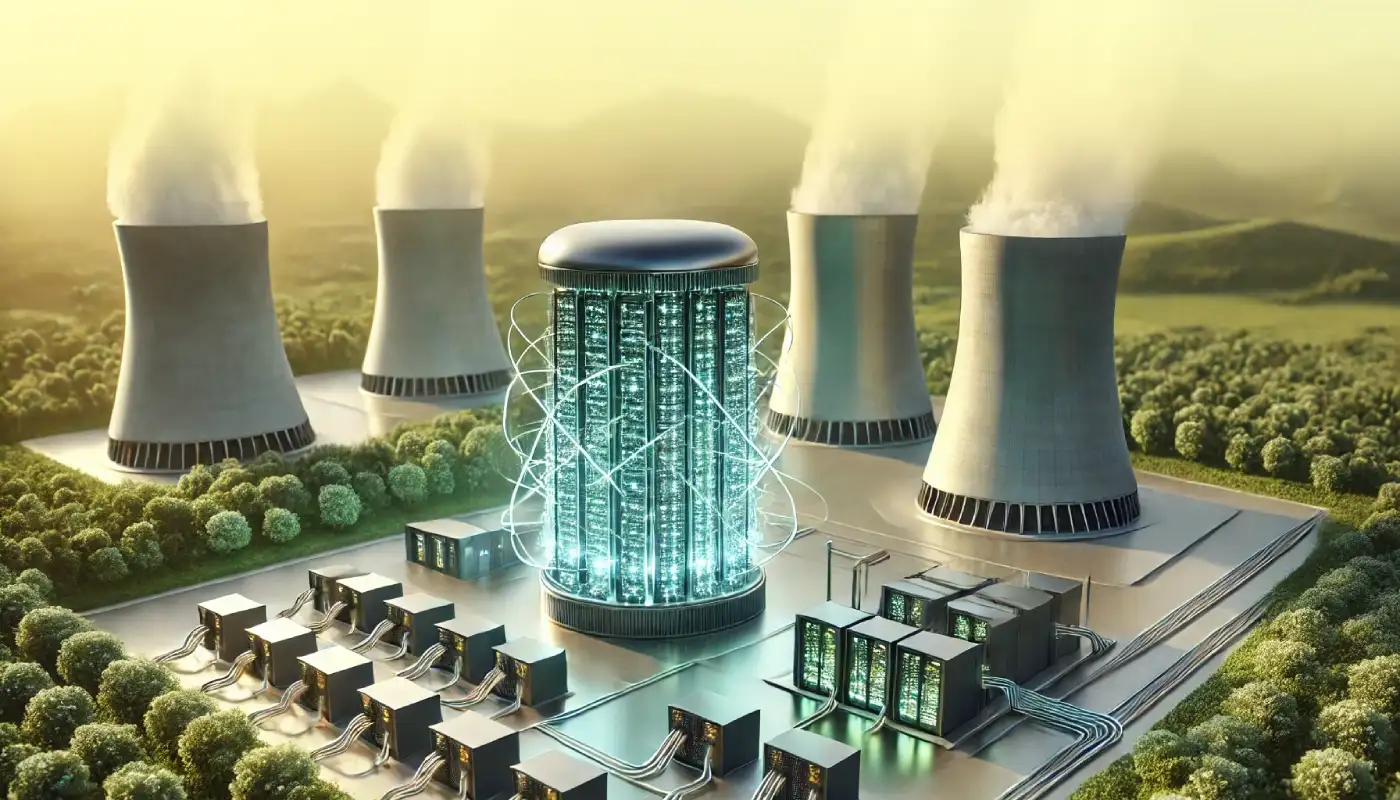
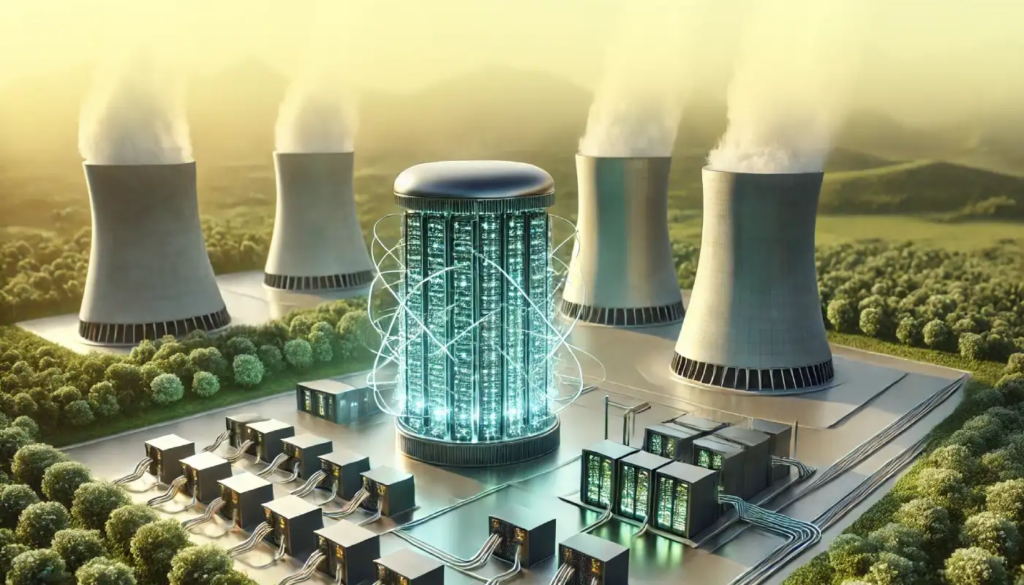
To power these facilities at the required scale, Li has signed huge deals with nuclear plant companies, including Vistra and Terrapower. A regular power grid is too small for a normal city. Meta is paying old nuclear plants to keep running to fuel their AI factory. Through this investment in nuclear energy, Meta is building its own private, carbon-free power grid and powering its AI machines.
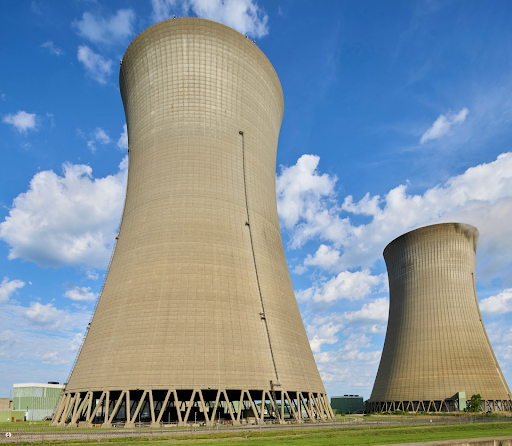
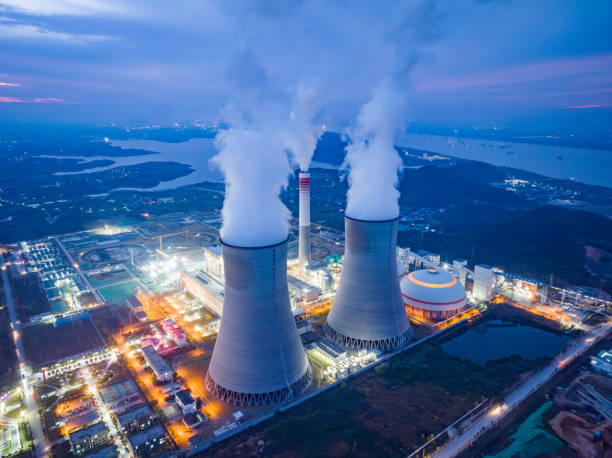
The cooling towers at Vistra's Beaver Valley nuclear power plant.
Susan Li believes Meta’s data center strategy is a new addition to the modern world, calling it “one of the maybe modern wonders of the world.”
Ultimately, Susan Li's mastery of iREV has turned Meta’s Family of Apps into a fast-moving machine—a platform where every micro-improvement in AI-driven engagement directly harvests the billions needed to build the next frontier. The $135 billion bet is just the start, a bold statement, and a very aggressive capital deployment strategy. However, by investing in physical AI tents and nuclear power plants, Li is de-risking the investment. She is moving Meta from a keeping mentality to an investing mentality.
For investors, Meta is no longer just a social media company: it's a high investment bet on the future of the AI economy. By using today's ad profits to buy up the world's AI chips and power supplies, Li is making sure that Meta’s massive bank account is just as hard for competitors to beat as its apps.