The Silver Surge: What’s Driving Its Historic Rise?
Since the beginning of 2025, Silver has skyrocketed 161%, breaking $100 per ounce for the first time ever. Similarly, gold and other precious metals have seen sharp increases, but not nearly as much as silver.
So why has silver been a better investment than gold and other precious metals recently?
Supply constraints, strong industrial demand, and shifting macroeconomic conditions are among the factors driving this recent increase.
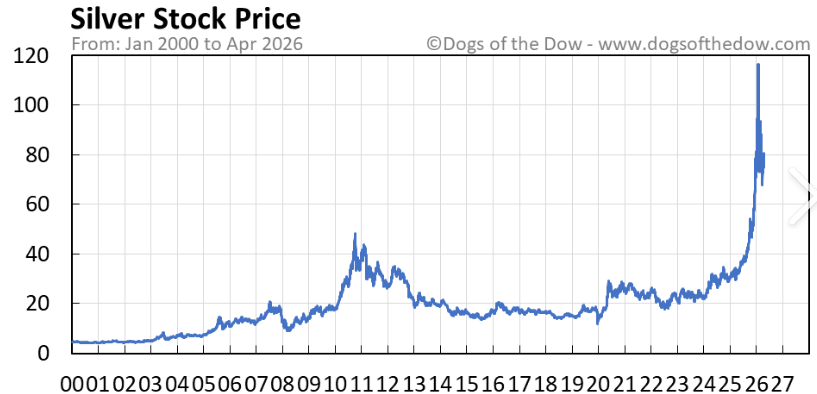
Silver continues to struggle with a structural deficit as it is projected to experience its sixth year of ongoing supply constraints and low inventory. Projections show supply growing slightly, while demand is expected to remain roughly the same, with physical investment offsetting weak consumer demand due to high prices. This keeps the deficit around 67 moz (million ounces) as the market continues to rely on inventory draws. This is partly due to higher prices, as supply cannot keep up with demand.
Another driving factor for the price increase is the industrial sector, as silver is a crucial precious metal used in growing markets such as data centers/AI, solar, and electric vehicles. With the expansion of renewable energy, around 24% of silver industrial demand was consumed in this sector. Compare that to 11% in 2014, and we can see a significant increase. While technological development has reduced the amount of silver used in production, lofty government targets and subsidies to boost production are likely to offset it. Electric vehicles will be another major consumer of silver because they require more than a combustion engine. Projections have automative silver demand increasing at a compound annual growth rate of 3.4% between 2025 and 2031. EV vehicles will also become the primary source of automotive silver demand by 2027, accounting for 59% of the market by 2031. Lastly, AI and data centers require precious metals like silver to conduct power and process information more efficiently. Silver is especially important in this sector because of its useful properties, such as its conductivity, thermal regulation, and resistance to corrosion.
Interest rates are another key factor influencing silver prices. When interest rates are high, demand for precious metals tends to decrease because they do not generate income, making interest-bearing assets such as bonds and savings accounts more attractive to investors. Additionally, higher rates often strengthen the U.S. dollar, which further suppresses global demand for silver. However, expectations of future interest rate cuts can have the opposite effect. Financial markets often anticipate monetary policy changes, and the prospect of lower rates increases the appeal of non-yielding assets like silver. While interest rates remain relatively high at present, ongoing speculation about future Federal Reserve rate cuts could further push silver prices higher.
In conclusion, silver’s recent surge is not the result of a single catalyst, but rather the convergence of multiple structural and macroeconomic forces. Persistent supply deficits and declining inventories have created a tight market, while rapidly expanding industrial demand, particularly in renewable energy, electric vehicles, and emerging technologies, has reinforced long-term consumption trends. At the same time, broader macroeconomic conditions, including elevated interest rates and shifting expectations of future monetary policy, continue to shape investor behavior and price volatility.
Unlike gold, which is driven more heavily by safe-haven demand, silver benefits from both its monetary and industrial roles, giving it a unique advantage in the current economic environment. As these dynamics persist, silver’s price movements reflect broader structural changes in the global economy, suggesting that its recent outperformance may be more than just a short-term trend.