The Fed’s Tightrope Walk
The latest CPI (Consumer Price Index) came in at 2.4% year-over-year for February, with core inflation, which excludes food and energy, sitting at 2.5%. On the surface, that looks like progress. The Fed's target is 2%, and they’re close, but close isn't there.
Food prices climbed 0.4% in February alone, energy ticked up 0.6%, and housing costs are running 3% higher than a year ago. This shows inflationary pressure in key consumer categories, especially necessities. Housing is the actual stubborn problem — it carries enormous weight in how the CPI is calculated, and as long as rents and home prices stay elevated, inflation isn't going anywhere. Housing inflation isn't responding to rate hikes the way the Fed hoped; it's being driven by a supply freeze, not excess demand, meaning the Fed's primary tool is largely ineffective against the very component keeping inflation above target.
This puts policymakers in a very difficult spot. If they keep rates high, they’re hiking borrowing costs for businesses and consumers, leading to fewer investments, slower hiring, and more layoffs. If they cut too soon, they risk letting inflation re-accelerate, especially with energy prices already nudging higher due to the war in Iran. February's jobs report made the problem even worse. The U.S. shed roughly 92,000 jobs last month, pushing unemployment to 4.4%. Healthcare, manufacturing, transportation, and information services all took hits.
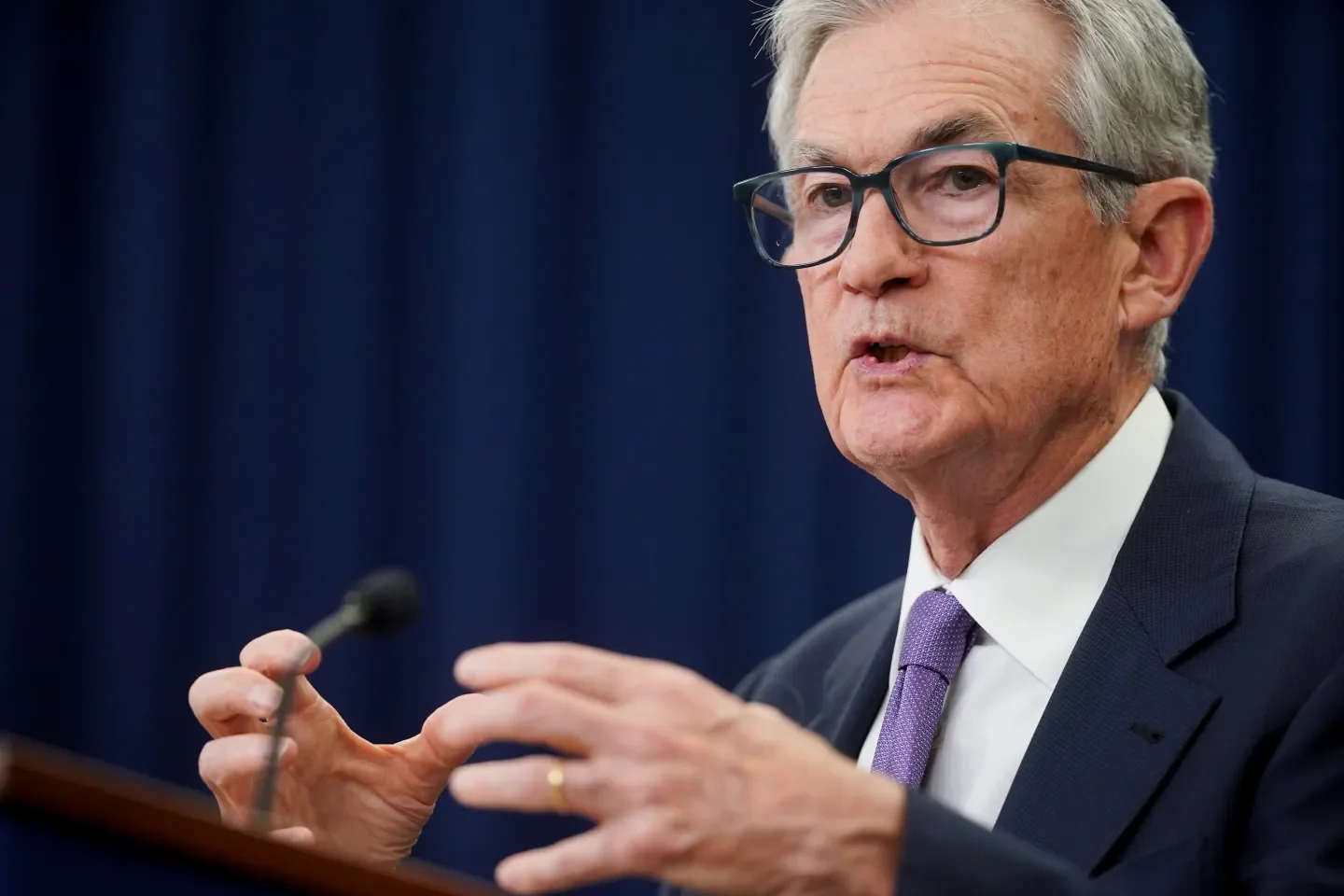
This is the Fed's classic dual-mandate dilemma, and right now both sides are flashing warning signs at once, which is never a good thing. Inflation is above target, and unemployment is rising. Historically, they fight by making the other worse. All of this is happening as Jerome Powell's tenure winds down, leaving whoever inherits this mess with very few easy moves and no obvious right answer.
The housing market compounds everything. High mortgage rates have locked buyers out of the market, demand has cooled, and sales have slowed, but supply hasn't responded the way you'd normally expect. Homeowners who locked in 3% mortgages years ago have zero incentive to sell into a 7% rate environment, so inventory stays tight even as demand weakens. The result is a market that's stalled rather than corrected. This persistent housing cost pressure keeps feeding back into inflation, making the Fed's job harder every single month.
This is the part of the inflation fight where there are no easy wins - only tradeoffs.