The Business Behind Sofi Technologies
Over the past decade, the financial industry has undergone a major transformation as consumers increasingly shift away from traditional banks and toward digital financial platforms. One company at the center of this movement is SoFi Technologies, a fintech firm that has evolved from a niche student-loan refinancing startup into one of the fastest-growing digital financial ecosystems in the United States. Through aggressive expansion, technology acquisitions, and a focus on younger consumers, SoFi is attempting to redefine modern banking.
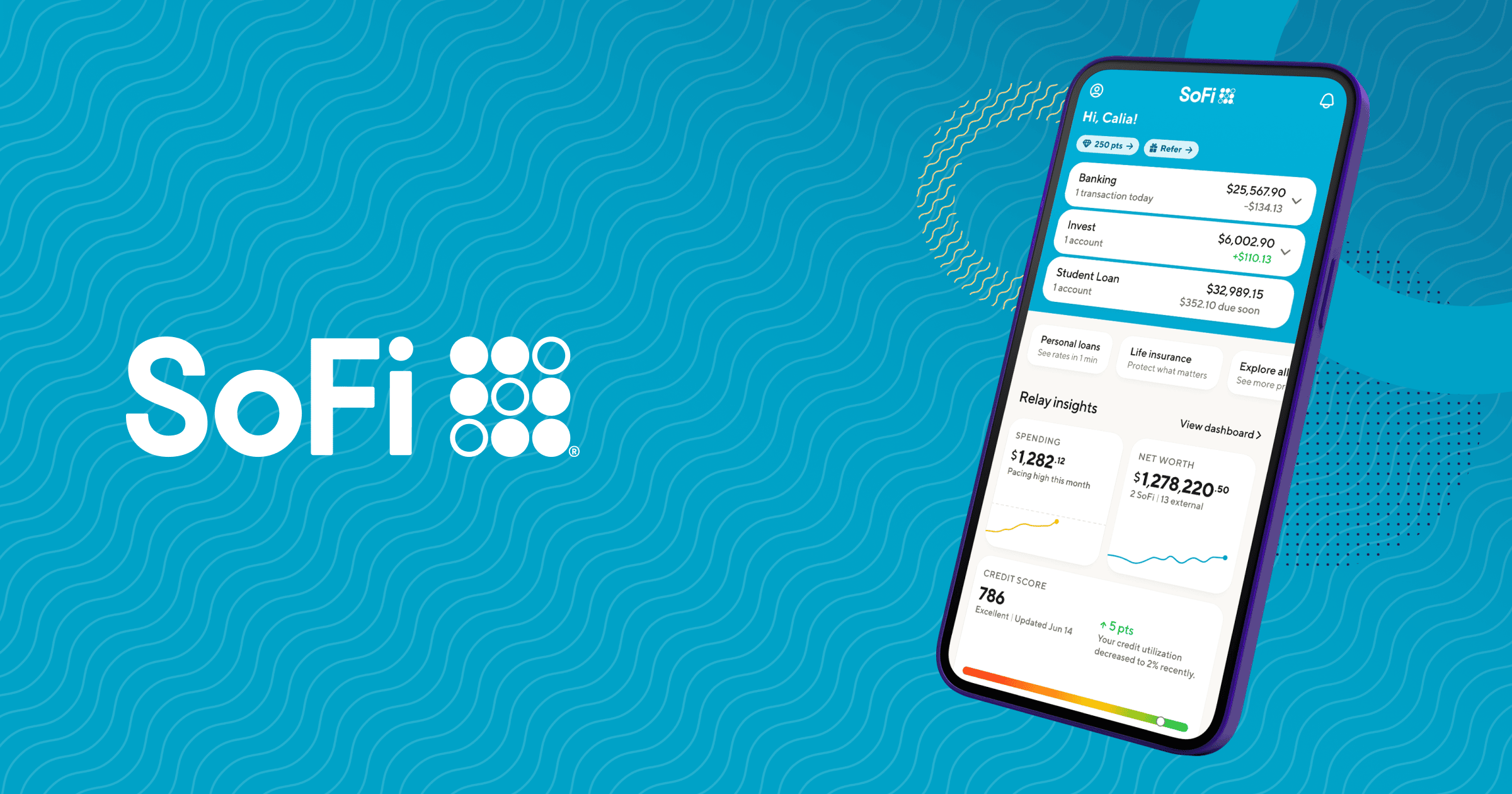
SoFi was founded in 2011 with a relatively narrow mission: helping graduates refinance student loans at lower interest rates. At the time, the company primarily targeted young professionals burdened by student debt who struggled to find attractive refinancing options from traditional banks. By offering competitive rates and a digital-first experience, SoFi quickly gained traction among millennials and Gen Z consumers who preferred mobile financial services over conventional banking institutions. However, SoFi’s leadership soon recognized that long-term success required far more than student lending. Over time, the company aggressively expanded its product offerings to create a “financial super app.” Today, SoFi provides a wide range of services, including personal loans, mortgages, checking and savings accounts, stock and cryptocurrency investing, insurance, credit cards, and financial planning tools. The goal is to create a centralized financial platform where users can manage nearly every aspect of their financial lives in one place. This diversification strategy is one of the company’s biggest strengths. Traditional banks often rely heavily on legacy systems, physical branches, and fragmented services that can make banking feel outdated and inconvenient. In contrast, SoFi operates almost entirely online, allowing it to offer a streamlined user experience while avoiding many of the overhead costs associated with physical banking infrastructure. As a result, the company can focus heavily on technology, product integration, and customer acquisition.

A major turning point for SoFi occurred in 2022 when the company officially received a national bank charter. This development was extremely significant because it allowed SoFi to operate more like a traditional bank while maintaining its fintech identity. Prior to obtaining its charter, SoFi relied heavily on external banking partners for many of its financial operations. With the charter, the company gained the ability to hold customer deposits directly and to fund loans with those deposits, rather than relying heavily on outside financing. This shift dramatically improved SoFi’s business model. Deposits are generally a cheaper source of capital than borrowing money from external institutions, meaning SoFi could improve profitability while becoming more financially flexible. As a result, deposit growth has become one of the company’s most important performance indicators. Over recent years, SoFi has experienced rapid deposit expansion as more customers adopt its high-yield savings accounts and digital banking services.
Another important aspect of SoFi’s business is its focus on cross-selling. Rather than acquiring customers for a single product, the company seeks to integrate users into its broader ecosystem. For example, a customer who initially joins SoFi to refinance student loans may later open a savings account, begin investing through the app, or apply for a personal loan. This approach increases customer retention and allows SoFi to generate multiple revenue streams from the same user base. Beyond consumer finance, SoFi has also expanded into financial technology infrastructure. Through acquisitions such as Galileo and Technisys, the company now operates a technology platform segment that provides backend financial services to other fintech firms and banks. Galileo, for example, supplies payment processing and digital banking infrastructure used by numerous financial applications. This business-to-business segment has become increasingly important because it diversifies SoFi away from depending entirely on consumer lending revenue. The technology platform segment also positions SoFi differently from many traditional banks. While most banks focus almost exclusively on financial products, SoFi increasingly resembles a hybrid between a bank and a technology company. Investors and analysts often view this as one of the company’s most attractive long-term opportunities because software and infrastructure services tend to produce recurring revenue and higher margins.
Despite its rapid growth, SoFi still faces several major challenges. One of the biggest risks is the company’s dependence on lending. Personal loans currently account for a large share of SoFi’s revenue, so economic slowdowns or rising unemployment could increase loan defaults and reduce profitability. Since fintech companies are often viewed as higher-risk investments, SoFi’s stock price has historically been highly volatile during periods of economic uncertainty. Competition also remains intense. SoFi operates in one of the most crowded areas of finance, competing not only with traditional banks but also with major fintech firms such as PayPal and Block. Larger banks still maintain advantages in customer trust, scale, and regulatory experience, while fintech competitors continue innovating rapidly in digital payments and online banking.
Additionally, SoFi must continue proving that its growth is sustainable. Many fintech companies experienced explosive growth during periods of low interest rates and easy access to capital, but some struggled as economic conditions worsened. Investors now place far greater emphasis on profitability, stable revenue growth, and efficient operations rather than simply rapid expansion. SoFi’s ability to consistently generate profits while continuing to grow its customer base will likely determine whether it can become a lasting leader in digital finance.

Overall, SoFi Technologies represents a broader shift occurring throughout the financial industry. Consumers increasingly expect financial services to be fast, mobile, and integrated into a seamless digital experience. SoFi’s strategy of combining banking, investing, lending, and financial technology infrastructure into a unified ecosystem has positioned the company as one of the most recognizable players in modern fintech. While challenges and risks remain, the company’s evolution from a small student loan startup into a diversified digital financial platform demonstrates how rapidly the banking industry is changing in the digital age.