Is Compute Capacity the “New Gold Rush”
Through the mid-19th century, hundreds of thousands of people upended their lives and rushed towards the rivers of California and the Yukon, driven by the promise of shiny gold. In today's world, a similar frenzy is unfolding, but the pickaxes have been replaced by graphics processing units (GPUs) and the muddy rivers have been replaced by clean, climate-controlled data centers.
Compute capacity is overtaking the original market businesses once used to calculate competitive advantage. Brand equity, distribution networks, and proprietary software have all been overshadowed by the raw, infrastructure-driven metric: who controls the most processing power. The hunt for dominance in computers has fundamentally shifted business models, capital allocation, and market valuations.
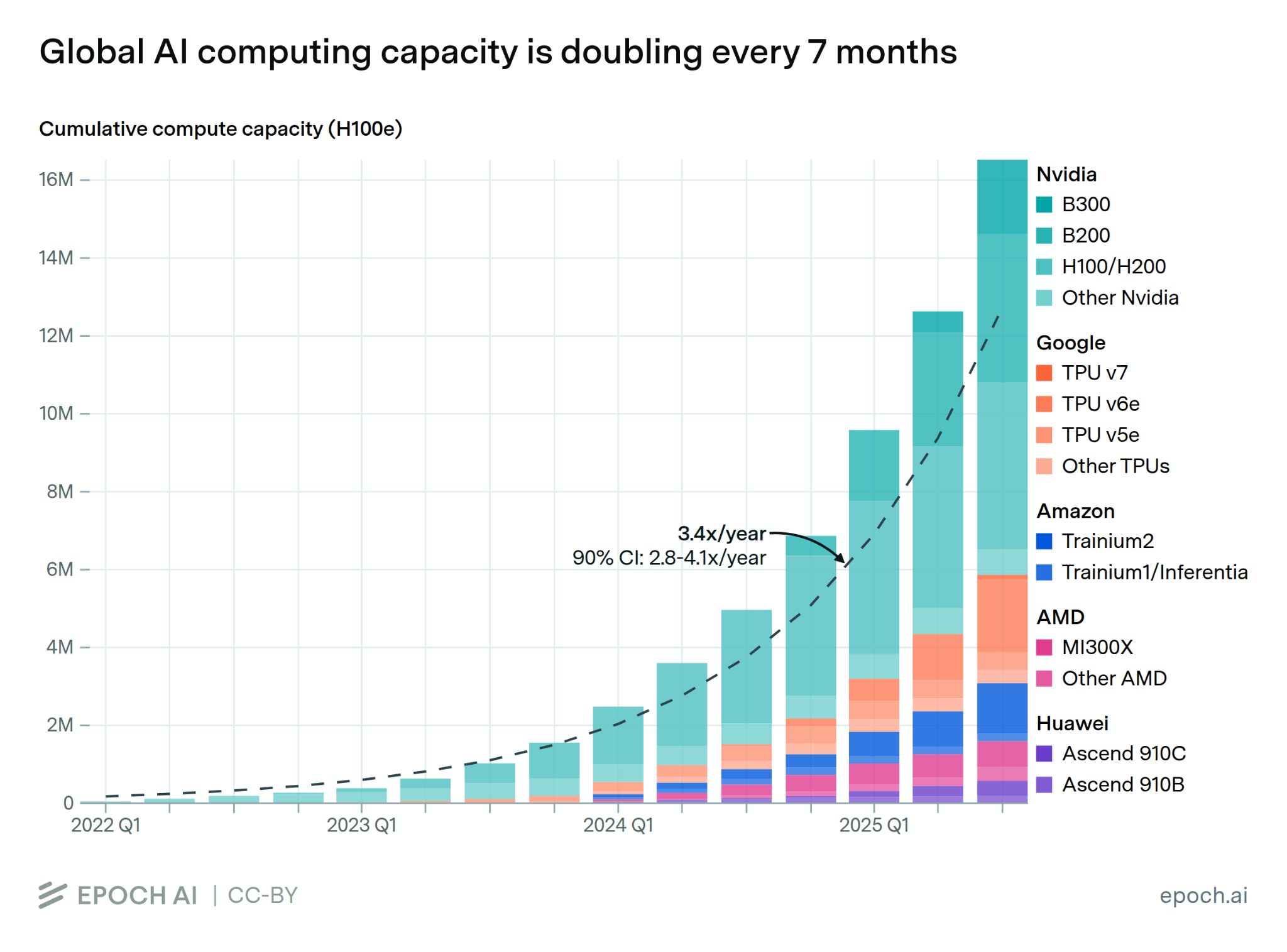
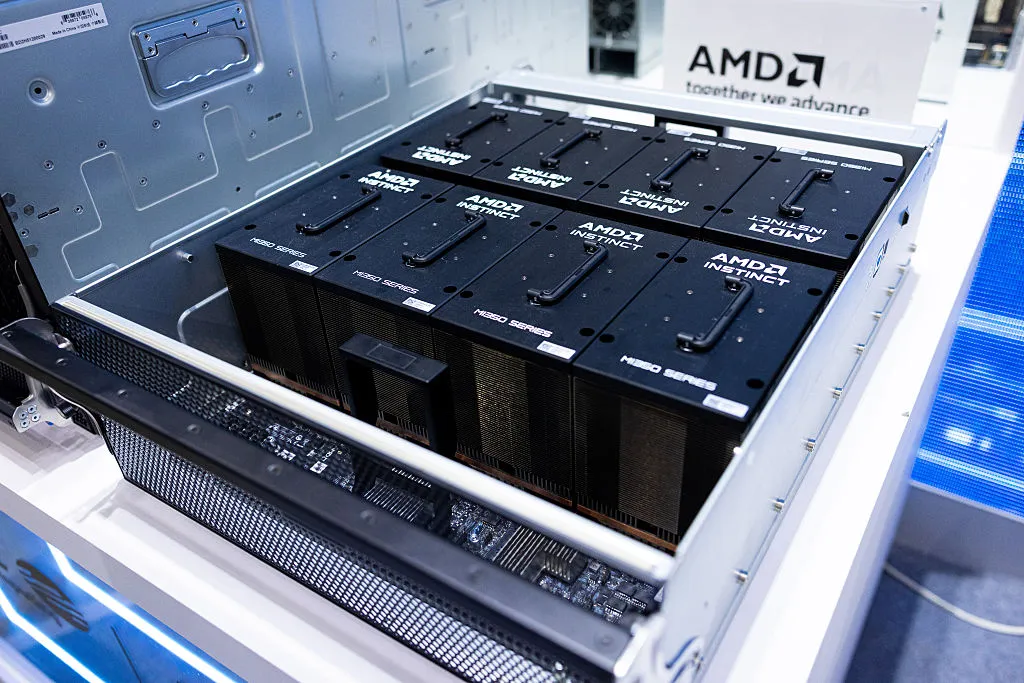
From a corporate strategy perspective, the computer drive has divided the business world into two distinct groups — mirroring the dynamics of the 1840s gold rush, but on an institutional scale. The first group is the infrastructure owners, also known as the “Landlords”. Companies like Amazon, Microsoft, Google, and Nvidia are acting as the merchants for the original miners. These tech companies control the fabrication pipelines, infrastructure, and data center real estate. These companies have turned raw processing power into a highly lucrative utility. Compute is a high-margin rental business that predicts guaranteeable recurring revenue, shifting the financial risk of experimentation onto its clients. Essentially, they rent out their technology and infrastructure and get paid regardless of whether their clients' projects succeed. The second group is buyers, “Miners”. These traditional enterprise companies rent out massive amounts of computing power to run their businesses, such as calculating financial risks or simulating new medicines. For these companies, buying computers is a massive, never-ending expense with no end in sight. If their research and development slows, faster competitors will push them out of business. They have no choice but to keep spending.
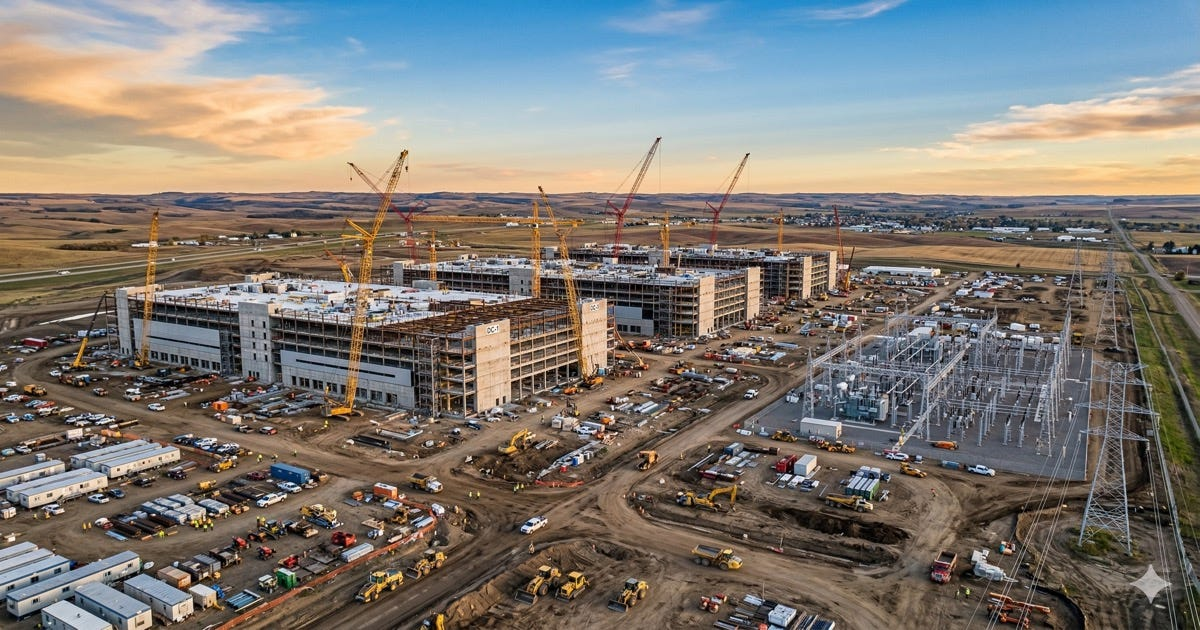
The corporate rush to compute has distorted traditional financial metrics. In 2024, Microsoft, Google, and Amazon spent over $150 billion on data center and infrastructure capital expenditures. These Megascale tech companies are now directing unprecedented free-flowing cash toward Capital Expenditures (Capex) to hoard GPUs and fund the construction of more data centers. Wall Street has shifted now to treating computing capacity as a leading indicator of a company's future earnings potential. A firm that immediately announces a new advanced data chip often sees an immediate stock premium, while companies lacking infrastructure tend to receive investor skepticism. The logic is simple: in a compute-constrained world, the ability to run an idea at scale matters as much as the idea itself.
Unlike the gold rushes of the past, where the gold kept its value indefinitely, corporate computer strategies face the challenge of technological obsolescence. A GPU cluster purchased today will likely lose its competitive edge in a few years as more efficient chips emerge. Therefore, the core challenge that businesses face is their optimization velocity. Companies must keep a close eye on their models before hardware turns into e-waste.
Ultimately, the rush for computer capacity has redefined corporate warfare. It is no longer good enough to have the smartest engineers or greatest ideas. These companies must have the computational power to implement these ideas at scale. The businesses that master computational efficiency, sourcing, and monetization will define the future of commerce, and those who don't will be left in the dust of corporate history.