Now or Never: Why Young Investors Should Look Beyond the U.S.
Despite what you are told, the reality is that successful investing starts at a young age, and now is the time to take advantage of opportunities you will not always have.
The stage of your life definitely dictates how you approach financial decisions. As you approach retirement, you enter a phase in which taking risks becomes far less viable, especially as physical work becomes less attainable. When you are young, however, there is a window to take on that risk.
There is a compelling case, supported by major global institutions such as BlackRock, J.P. Morgan, and Goldman Sachs, that emerging foreign markets offer higher growth potential than U.S. markets, particularly for younger investors with longer time horizons and greater risk tolerance.
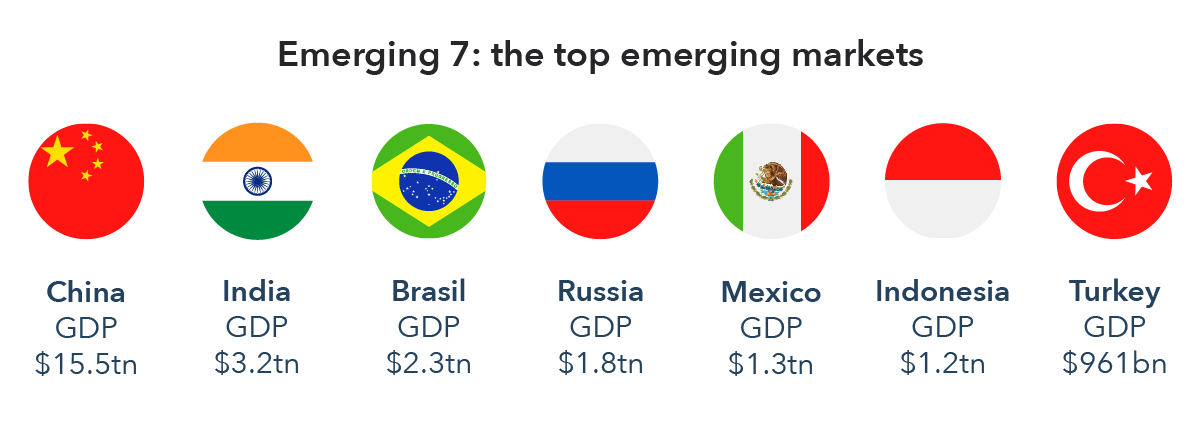
One of the most consistent arguments lies in the growth rates of other countries during periods of economic expansion. While the U.S. remains a mature and highly developed economy, it is important to recognize that investing in established areas of growth is often expensive. The idea that “money makes money” plays out here, as large amounts of capital are already concentrated in these spaces, limiting affordable and attractive opportunities. In contrast, many foreign markets, across Asia, Latin America, and parts of Africa, are still in earlier stages of development. According to Goldman Sachs, emerging economies such as China and India are expected to grow significantly faster than developed economies, with China projected at around 4.8% compared to roughly 2–3% in the U.S. This higher GDP growth directly translates into faster corporate earnings expansion, one of the primary drivers of stock market returns.
Valuation differences further strengthen the case. Goldman Sachs has pointed to concerns around high valuations, fiscal deficits, and market concentration in the U.S., leading investors to reassess and potentially shift toward international equities. Emerging markets also tend to trade at lower relative price-to-earnings ratios, leaving more room for upside as these economies mature.
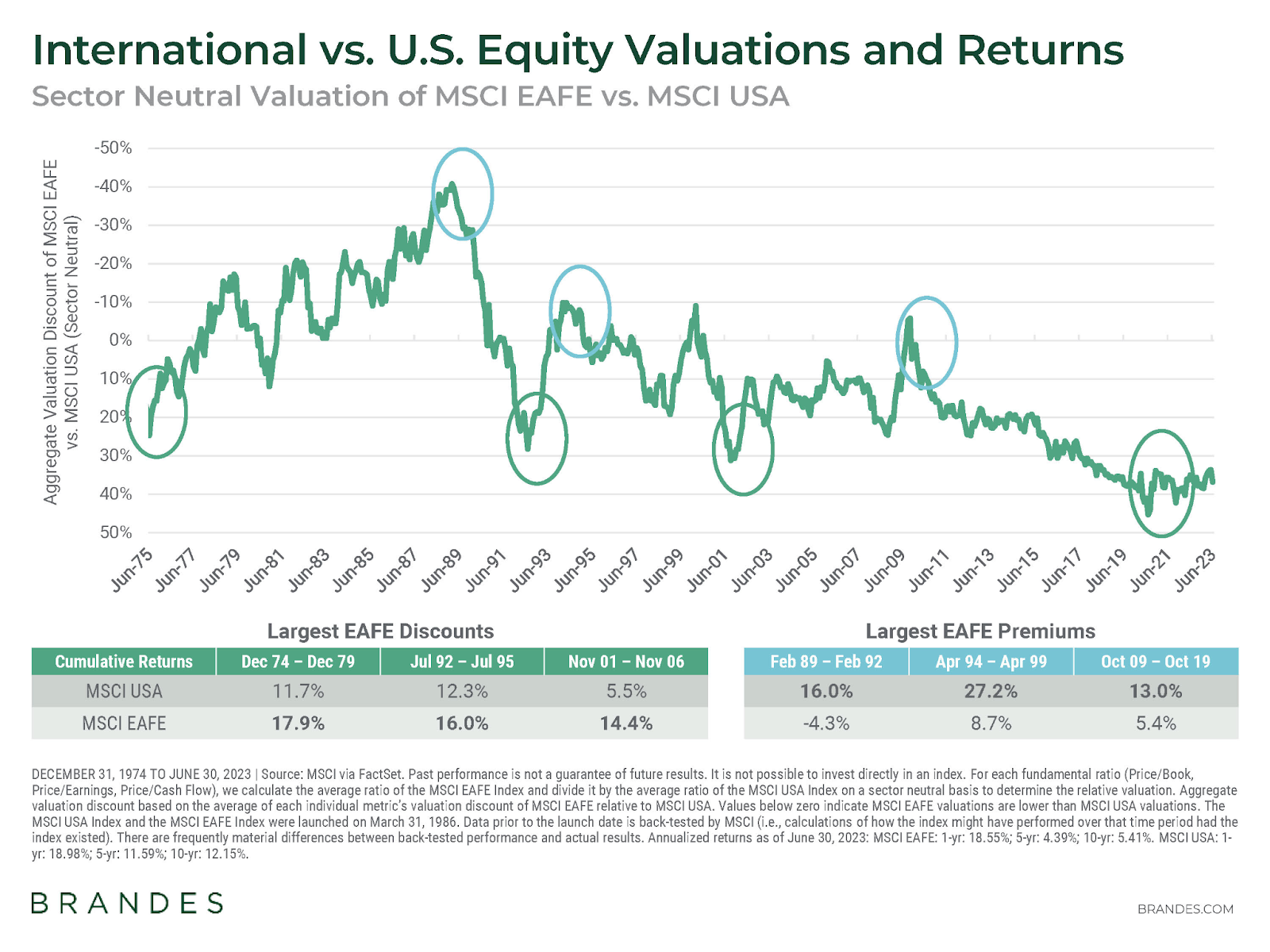
Institutional momentum supports this shift. Goldman Sachs Research projects that emerging market equities could return approximately 16% in 2026, following nearly 30% returns in the prior year, its strongest performance in years. J.P. Morgan expects double-digit gains across global equities, noting that growth is becoming more distributed rather than concentrated in the U.S. This reflects a broader reallocation of capital toward international opportunities.
Diversification and currency dynamics add another layer. A weakening U.S. dollar and capital inflows into emerging markets have historically enhanced returns for international investors. With major economies across Europe operating in euros, currently valued about 15–16% higher than the U.S. dollar, currency exposure becomes an additional advantage. For large asset managers, global allocation reduces reliance on a single economy while capturing growth wherever it emerges. This diversification is critical, as it opens access to lower entry prices and potentially higher yields.
For younger investors, the argument is even more compelling. A longer investment horizon allows them to absorb volatility and political risk inherent in emerging markets. These markets come with volatility, but time smooths it. In return, investors gain exposure to higher-growth economies, early-stage industries, and undervalued assets. Over time, this can produce stronger compounding than portfolios concentrated solely in developed markets like the U.S. While U.S. markets offer stability, foreign markets offer greater upside through faster growth, lower valuations, and shifting global trends. The increased focus on international exposure by firms like BlackRock, J.P. Morgan, and Goldman Sachs underscores a key reality: future growth is global, not confined to a single market, and the best time to take calculated risks is when opportunities are still undervalued.
So, despite all the data and research, conviction still matters. You have to believe in what you are investing in. It may end up being what changes your life.