How Spirit Airlines is Falling from the Sky
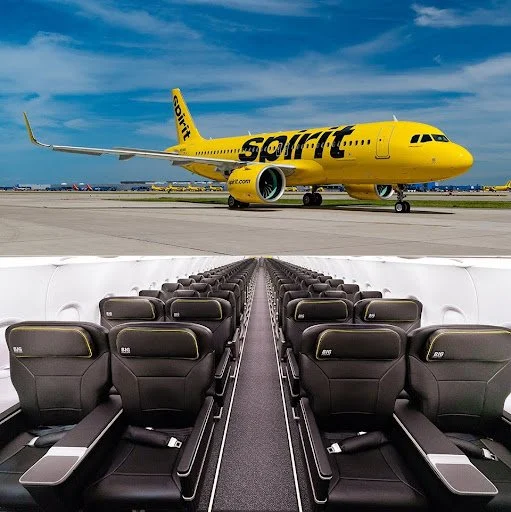
On May 1, 2026, travelers around the globe checked their Spirit Airlines apps, viewed their flight status, and quietly started looking for alternatives. Spirit Airlines, a well-known budget yellow airline, is still flying, but travelers may need to start looking for different options after a last-ditch $500 million government bailout collapsed after bondholder disputes and political disagreements (WSJ). There was also a simple problem with the Spirit Airlines business model: the airline ran out of cash to spend. Spirit’s business model rewrote the norms of American aviation, but this new business was always just one crisis away from a disaster it could not survive.
When Spirit Airlines entered the airline industry in the 2000s after being a charter operator for 20 years, they developed an idea that did not exist at the time: add almost nothing to the flying experience, charge next to nothing for a seat, and make money on every extra purchase. This model worked very well at the start, as it created an ultra-budget airline in the US that did not exist at the time. The strategy targeted a very specific customer segment within the industry, being customers who were extremely price-sensitive yet very loyal and frequent flyers of budget airlines. At the beginning, Spirit filled its planes, and Spirit subsequently made money. Spirit, at its peak, was amongst the most profitable airlines in America on a per-seat basis, but then almost everything went wrong at once, and Spirit slowly suffered (Bloomberg).
Spirit’s slow demise began in 2022, when Frontier Airlines approached Spirit with a merger offer that was initially accepted. Then JetBlue came in with a better $3.8 billion all-cash bid, an offer that Spirit’s shareholders heavily preferred. Shareholders saw the deal as a lifeline, as it offered Spirit’s budget model access to JetBlue’s capital, network, and customer base. The rise of Spirit Airlines looked even more promising until Biden’s DOJ sued to block the merger, arguing it would reduce competition and drive up fares in the industry. Then, a Pratt & Whitney engine recall in 2023 grounded significant portions of its Airbus fleet for multiple months, costing hundreds of millions in lost revenue. Larger, more premium carriers were also climbing the learning curve and began matching Spirit’s lower fares with a meaningfully better flying experience. By November 2024, Spirit filed for Chapter 11 bankruptcy protection, selling 23 older aircraft to raise around $500 million in cash and implement an intensive restructuring plan. In early 2026, it looked promising for the airline, as they cut their operating margins from negative 27% to negative 5%. Then conflicts in the Middle East derailed everything they were rebuilding.
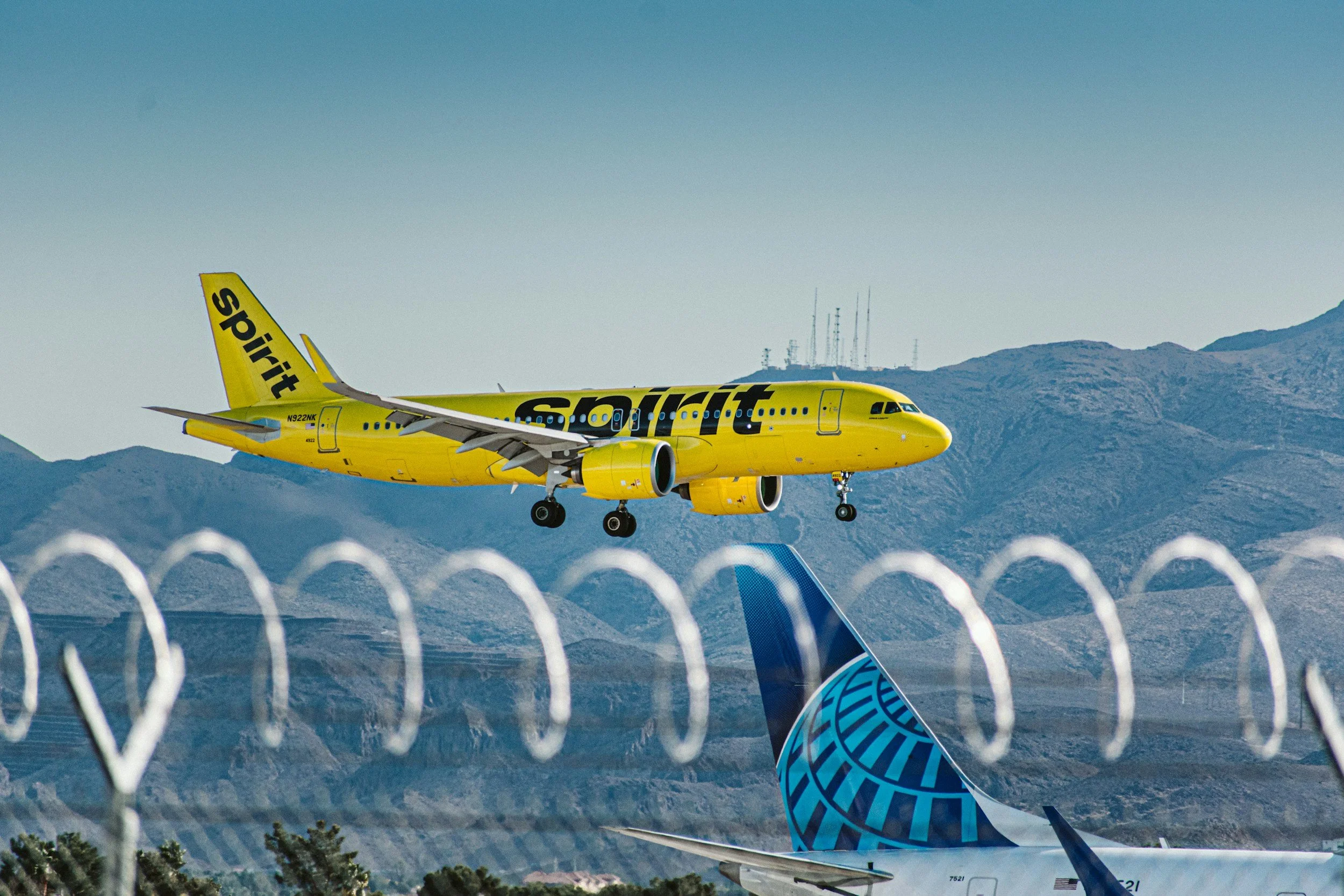
Spirit’s restructuring plan was built on an estimated $2.24 per gallon for jet fuel. When the Iran conflict disrupted the oil industry and cut off the Strait of Hormuz, fuel prices rose almost overnight to $4.60 per gallon. A struggling business model operating at the thinnest possible margins simply could not absorb any shock, let alone double the price for jet fuel. After the shock, Spirit’s own lawyers told the U.S. Bankruptcy Court the cash would not last. Quickly entering into emergency negotiations with the Trump administration for a $500 million rescue loan, Spirit thought it could stay in the sky a little longer. But this deal quickly broke down after the negotiations were killed on the grounds that the government would be bailing out an already failing business model.
For now, Spirit is starting to prepare for its final descent. The yellow planes were once seen as the first-choice budget airline, but they may now be grounded for good. What emerges from this story is a cautionary lesson about the limits and consequences of an ultra-low-cost model that tends to disrupt an industry but rarely lasts. Spirit was just the latest victim of this business model, slowly dying from disruptions, ultra-thin margins, and regulatory pressure.