GameStop’s Audacious $56 Billion Bid for eBay
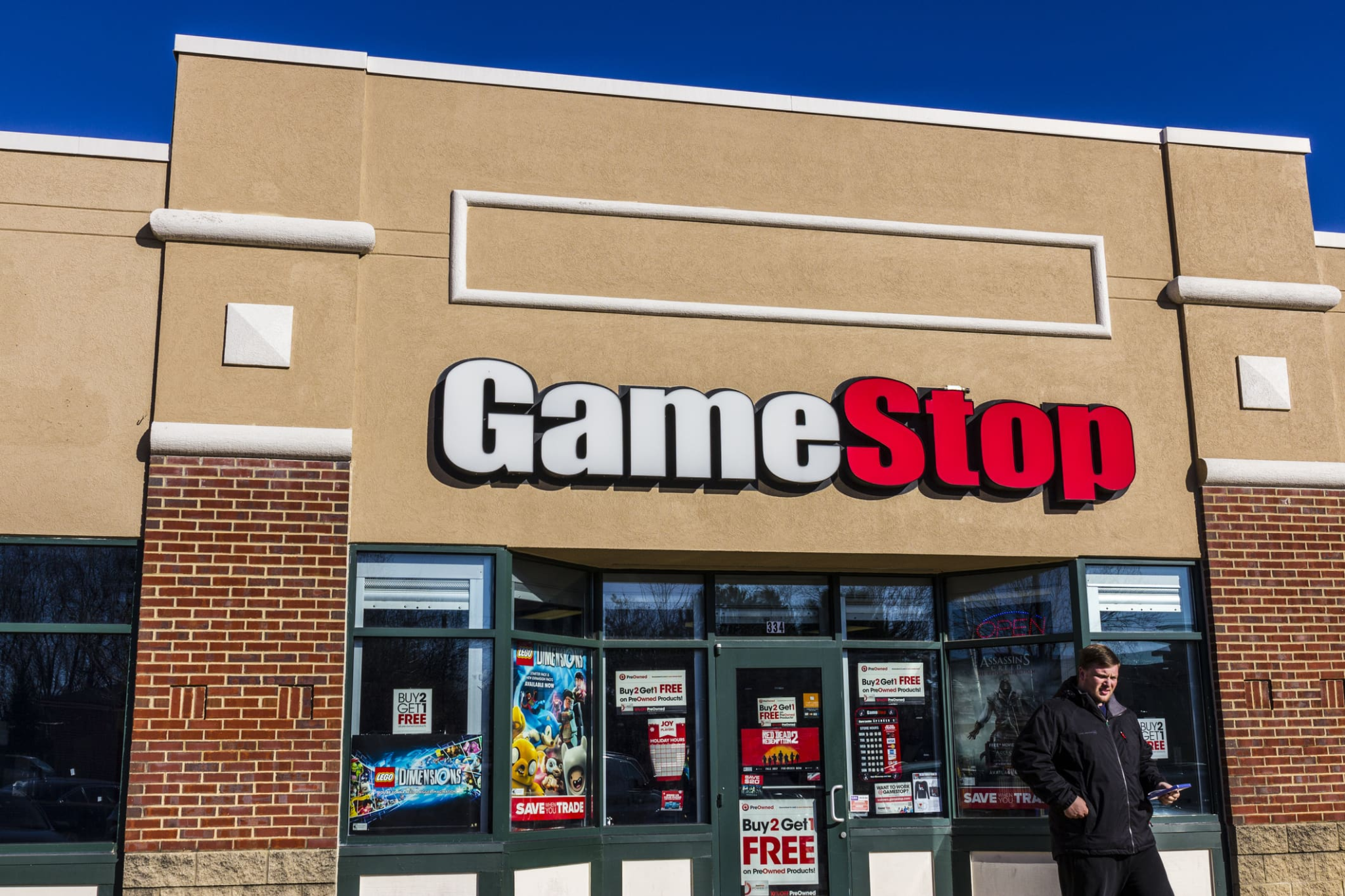
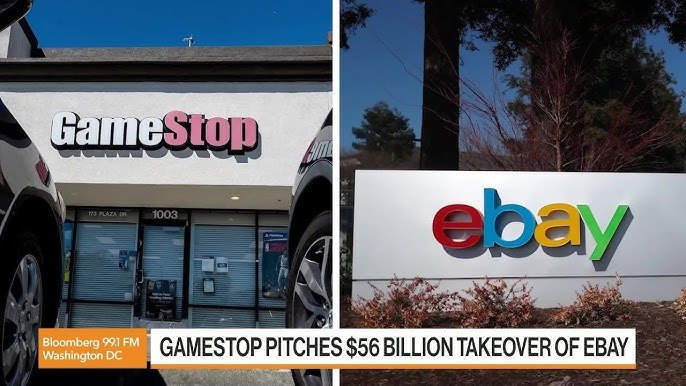
On the morning of May 3, GameStop CEO Ryan Cohen made a startling announcement. GameStop, the store-based video game retailer, offered to acquire eBay, one of the founding pillars of e-commerce, in a cash-and-stock deal valued at approximately $56 billion. The offer is $125 per share, split evenly between cash and GameStop common stock, representing a 20% premium to eBay’s most recent closing price and a 46% premium to where it closed on February 4 – the same date, it later emerged, that GameStop had quietly begun accumulating a 5% stake in the company. (BusinessWire, May 3, 2026) Wall Street’s reaction was swift, polarized, and, in the case of GameStop’s own shares, unkind.
The Numbers Don’t Add Up
The most immediate fact about this unsolicited proposal is the sheer disproportion. GameStop’s market cap, at the time of the announcement, was roughly $12 billion. eBay’s market cap is approximately $46 billion, meaning GameStop is attempting to buy a company nearly four times its own size. (Bloomberg, May 3, 2026)
To finance the deal, Cohen pointed to three sources: approximately $9.4 billion in cash on GameStop’s balance sheet, a $20 billion “highly confident” financing commitment letter from TD Bank, and, critically, the issuance of new GameStop stock to cover the remainder. (Bloomberg, May 4, 2026) The problem, as analysts and investors identified immediately, is that the math still does not work. During his CNBC interview, anchor Andrew Ross Sorkin walked through the arithmetic on air and calculated a funding gap of approximately $16 billion, even after accounting for all three sources. (CNBC, May 4, 2026) Bridging that gap through new share issuance would require issuing more than one billion additional shares.
Markets registered that concern immediately. GameStop shares fell 10% on the day of the announcement. eBay’s rose 5%, closing near $110 (CNBC, May 4, 2026), well below the $125 offer price, a gap that itself tells a story: When a target trades significantly below a stated bid, the market is pricing in the likelihood that the deal will not go through. (NBC News, May 4, 2026) In this case, the probability appeared substantial.
If the deal itself raised eyebrows, Ryan Cohen's 16-minute CNBC interview on May 4 raised them further. (CNBC Video, May 4, 2026) Appearing alongside host Andrew Sorkin, Cohen seemed distracted and at times difficult to follow. He made limited eye contact, offered rapidly shifting facial expressions, and repeatedly deflected pointed questions about deal financing with a single, maddening response: “The details are on our website.” (Benzinga, May 4, 2026) He appeared unprepared and unwilling to explain his thinking.
What’s the Logic?
Cohen’s stated strategic rationale for the deal centers on two claims. First, eBay is a significantly undervalued business whose earnings could “potentially double” under tighter cost controls and more aggressive management. (Fortune, May 4, 2026) Second, that a combined GameStop-eBay entity could become a “legit competitor to Amazon,” a marketplace powerful enough to challenge the dominant player in U.S. e-commerce. (Fox Business, May 4, 2026)
The first claim has more credibility than the second. eBay is, by most measures, a mature and modestly profitable business that has struggled to grow meaningfully against Amazon and has seen its share of gross merchandise volume decline for years. A case for operational improvement is not hard to make. But the leap from “eBay could be run more efficiently” to “eBay plus GameStop equals an Amazon rival” is significant, and analysts have not been persuaded. (CNN Business, May 5, 2026)
What Comes Next?
eBay’s board has not formally responded to the offer as of this writing (May 5), though the company’s silence speaks volumes: When a $56 billion unsolicited proposal arrives and the target’s stock trades 12% below the offer price, the bid clearly lacks credibility and board may not feel compelled to respond right away, though it will fulfill its fiduciary obligation and do so eventually. (Bloomberg, May 4, 2026) Cohen has floated the idea of taking his case directly to eBay’s shareholders if the board declines to engage, a tactic known as a “bear hug,” which is more common in activist investing than in retail-driven M&A. (Yahoo Finance, May 4, 2026)
Tactically, Cohen made a major mistake. GameStop missed the March 27 deadline to nominate directors for eBay’s board at the company’s upcoming annual meeting in June. In a takeover fight, a buyer often puts pressure on the target by nominating directors who are receptive to the buyer’s proposal. Here, Cohen missed the window to pursue this path.
What is clear is that the eBay-GameStop story is not over. Whether it ends in a completed acquisition, a revised and lower bid, a rejection, or a quiet walk-back, it has already accomplished something unusual: It has forced Wall Street to take GameStop seriously as a corporate actor, not just a trading vehicle, in a way it has not had to before.