Apple 3.0: Back to Basics
Apple recently released a bombshell. Tim Cook, after years at the helm of one of the most absurdly successful runs in corporate history, is officially stepping down as CEO on September 1st, 2026. But don’t worry, he isn’t going anywhere. While Cook is staying on as Executive Chairman of the tech titan, the keys to the kingdom are being handed over to John Ternus. Ternus currently serves as Apple’s Senior Vice President of Hardware Engineering, a role he has held since 2021. In the middle of all this upending of the corporate hierarchy, it is important to note that this isn’t just a game of musical chairs; it’s a clear signal that the “post-smartphone” era of Apple has arrived.
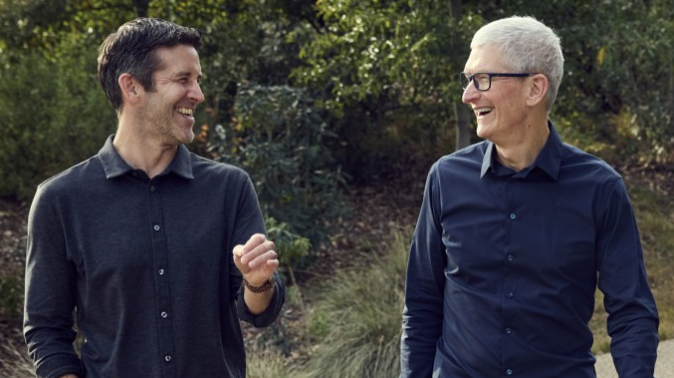
Let’s take a second to think about Cook’s legacy. After taking a $350 billion company and building it to nearly $4 trillion in valuation, Cook was nicknamed “The Architect,” being the one to realize that selling you a phone was only the first step to maximizing revenue. To be completely honest, Cook’s real genius and impact resided in creating the ecosystem. Apple’s services: the App Store, iCloud, Apple Pay, etc., turned one-off hardware buyers into a steady stream of recurring revenue. He wrestled with global supply chains and moved mountains (and factories) into India and Vietnam just to keep the cogs moving. And safe to say, it worked.
So, after all that operational success, why John Ternus? Picking a hardware purist–someone who has spent 25 years obsessed with the nuts and bolts of the iPhone, iPad, and AirPods–denotes a massive pivot back to Apple’s engineering roots. Furthermore, Ternus represents a brand bet on “On-Device AI.” The goal seems pretty clear: Apple wants to stop relying on the cloud and start building intelligence that lives right in your pocket. This kind of local power creates a massive competitive advantage. If you want the smartest features, you’re going to need the newest chips. It’s a clever way to jumpstart the upgrade cycle, isn’t it?
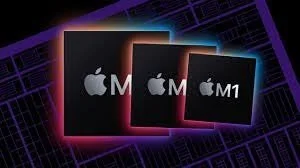
Looking forward, the Ternus era feels like it will be defined by physical innovation. Forgetting “Services-first” and returning to “Hardware-as-the-engine,” we are likely to see a heavy push to polish the Apple Vision Pro and make spatial computing actually wearable for the average person. While Cook will stay in the background to handle the messy politics and high-level diplomacy of the tech industry, the daily grind will be driven by a veteran engineer’s eye for performance.
Apple is placing a bet. A bet that its future isn’t just in the code, but in the silicon.