WHOOP & Oura Signal Towards IPO’s. The Next Big Thing or Another Fitbit?
For years, people have worn watches to tell time. Today, millions wear devices that tell them how they sleep, recover, and exercise. Two names are leading this trend and have the potential to make a massive splash in the market when they go public: WHOOP and Oura.
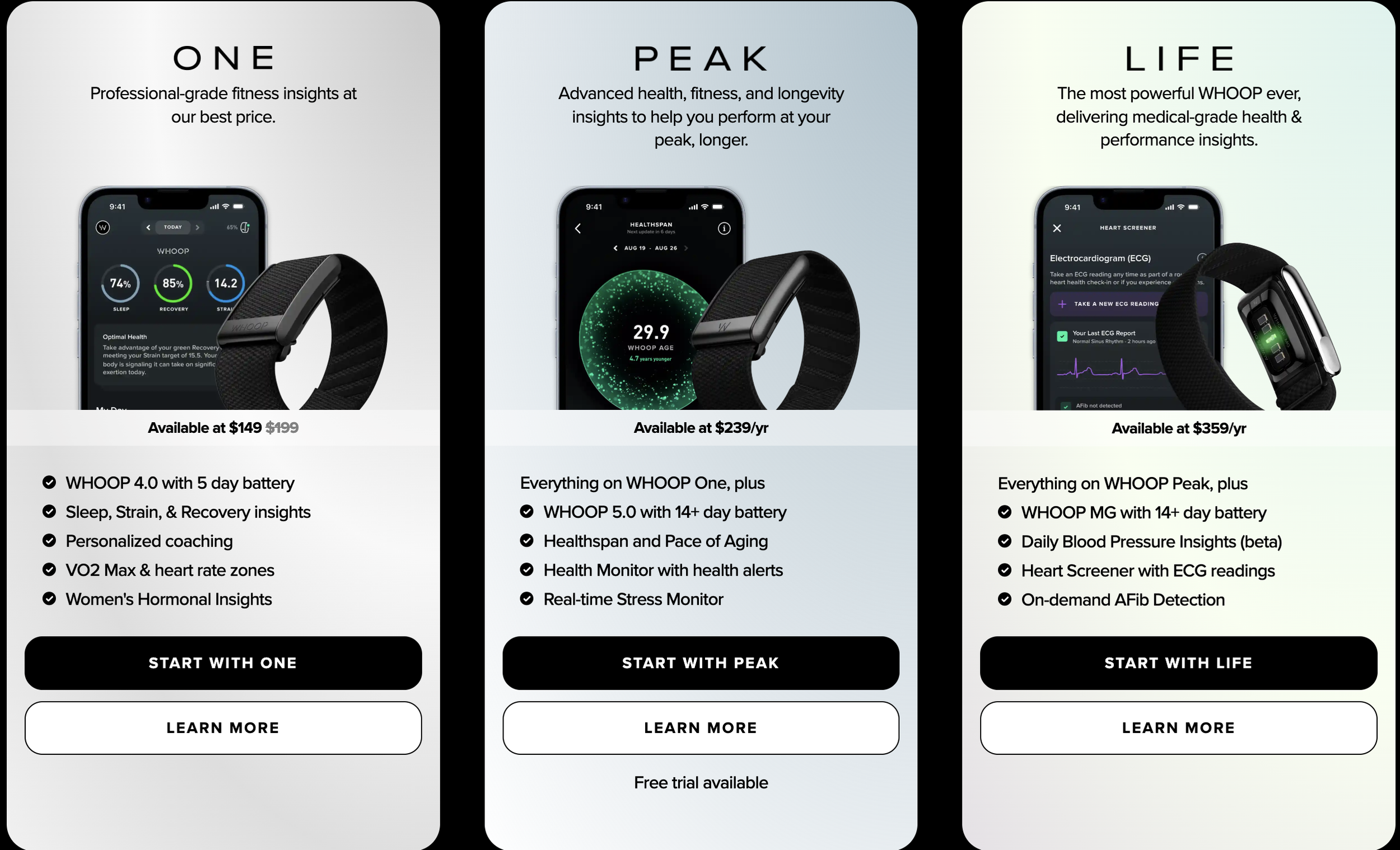
WHOOP sells a screenless wearable wristband that continuously tracks physiological data such as heart rate, heart rate variability (HRV), sleep quality, recovery, strain, and overall health metrics. The company operates on a subscription-based model, providing users with personalized insights and coaching designed to optimize performance, fitness, and recovery. WHOOP has become particularly popular among professional athletes, fitness enthusiasts, and health-conscious consumers seeking deeper data on their physical well-being.
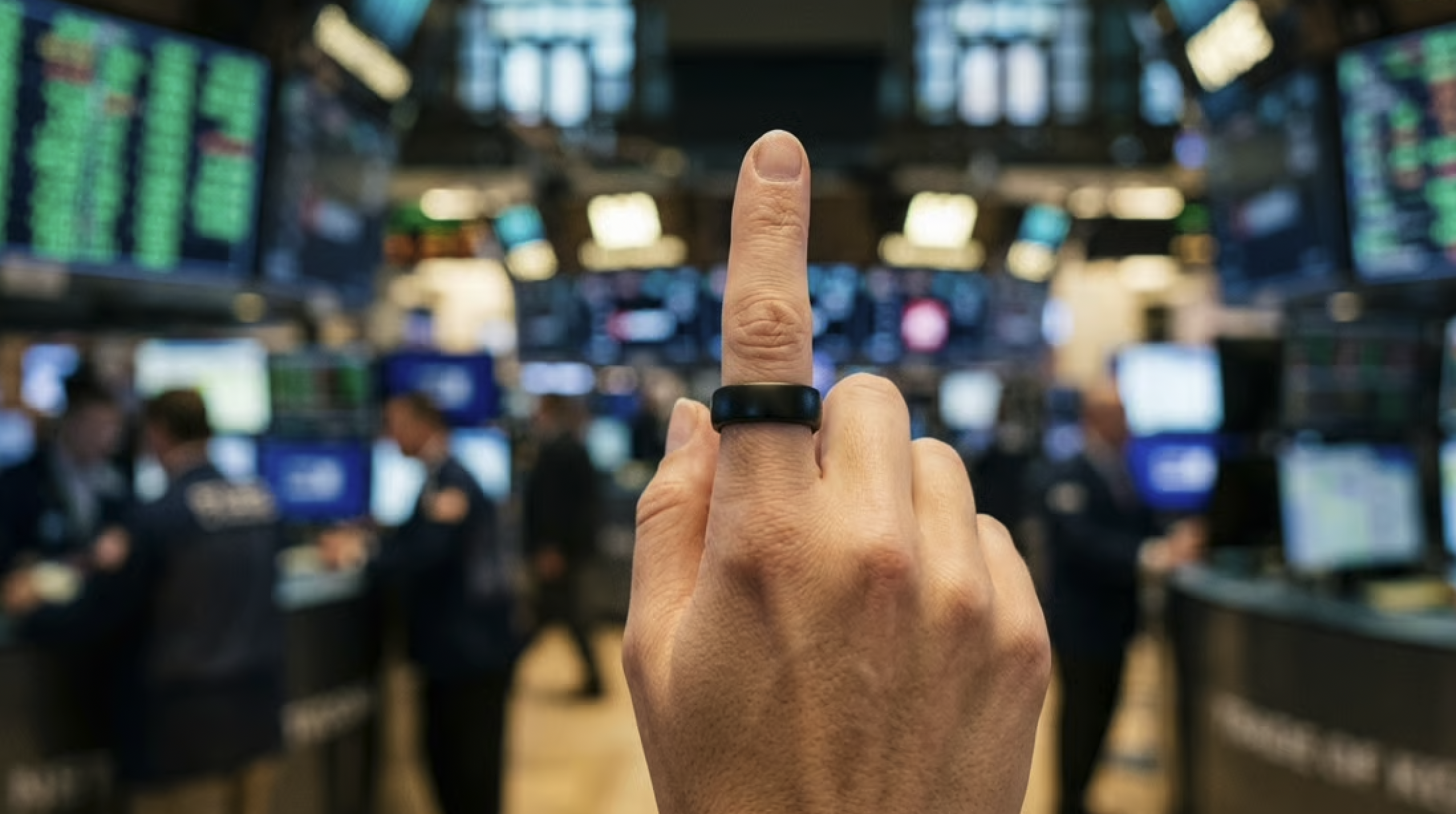
Oura sells a smart ring that monitors sleep, heart rate, body temperature, activity levels, readiness, and recovery. Using advanced sensors and machine learning, the ring provides users with detailed insights into their health, helping them improve sleep quality, manage stress, and track overall wellness. Oura has gained widespread adoption among athletes, executives, and everyday consumers due to its discreet form factor and comprehensive health-tracking capabilities.
Both companies operate within the rapidly growing wearable health technology market, using biometric data and cutting-edge software platforms to help users better understand their bodies, improve performance, and make more informed lifestyle decisions. Now both companies are eyeing initial public offerings (IPOs), meaning they could soon sell shares to the public. WHOOP CEO Will Ahmed says that this is the company's next step after raising $575 million (Yahoo Finance). Before investors rush to buy in, it is important to remember what happened to Fitbit.
The Fitbit Fall
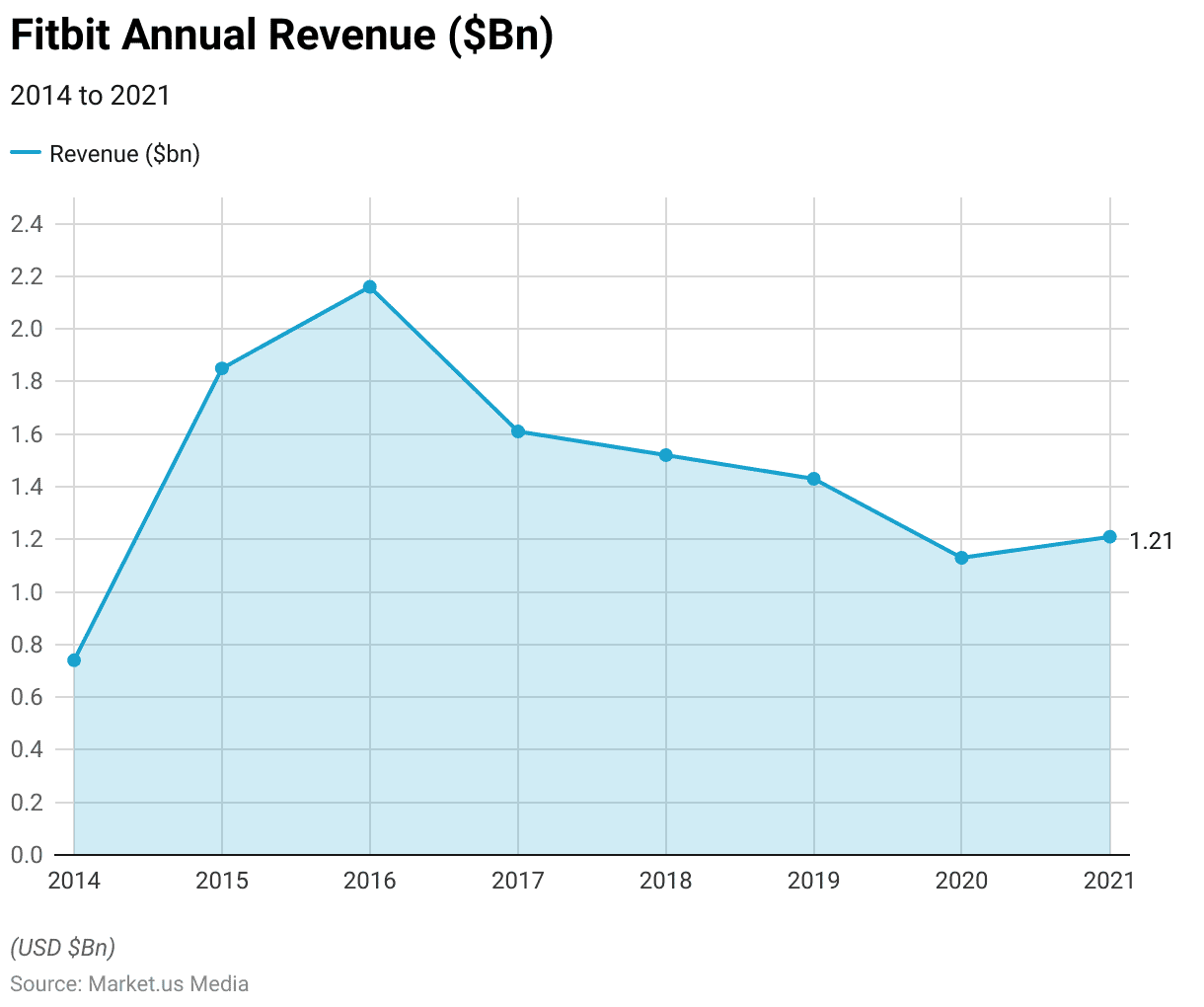
Fitbit was once the king of wearable technology. When it went public in 2015, investors believed fitness trackers would become an essential part of everyday life. They were right. Millions of people bought Fitbits, and the company became one of the most recognizable names in health technology; however, Fitbit struggled to maintain its growth. Competition from larger companies such as Apple and Google intensified, and consumers became less inclined to buy new fitness trackers every few years (WSJ). Eventually, Google acquired Fitbit in 2021 for about $2.1 billion, far less than many investors had once imagined (Business Model Analyst).
One of their biggest challenges was that their business relied heavily on hardware sales. Once customers purchased a device, there was little reason for them to continue spending money with the company. As fitness trackers became increasingly commoditized, competitors could offer similar features, making it difficult for Fitbit to differentiate itself and maintain its pricing power, leading investor enthusiasm to fade.
So What’s Different Now?
This is why investors are asking an important question about Oura and Whoop: Are they long-term technology platforms or gadget companies? The answer matters because companies that earn money through subscriptions are often seen as more valuable. Instead of relying on customers to buy a new device every few years, subscription businesses collect revenue every month. WHOOP has built its business around subscriptions from the start. Customers pay an annual fee and receive access to the hardware and software. Oura sells its rings separately but also charges a monthly subscription for advanced features and insights.
If these companies can convince customers to keep paying $15 to $30 month after month, they could become much more than wearable manufacturers. They could become health platforms that help people improve their sleep, fitness, and overall well-being. Using AI, these companies can turn data into everyday healthcare advice tailored to each individual. If the number of users continues to grow, the opportunities are endless, but if consumers stop subscribing or competitors offer similar products at lower prices, WHOOP and Oura may face the same challenges and outcomes that Fitbit did.
As technology becomes increasingly personal, the biggest winners may not be the companies that collect the most data, but the ones that become trusted partners in everyday decision-making.