The Pattern of a Revolution – And What it Means for AI
Every technological transformation in human history has been driven by the same intense momentum: a rush to tear down the old and build the new as quickly as possible. And every time, that rush has led to the same trap – overreach, followed by excess. The recurring question that history keeps asking society is not whether a revolution is worth having, but whether we can manage the overspill before damage takes over the benefit. Through the creation of Artificial Intelligence, this same question is being tested.
Once technology captures the financial and materialistic imagination, it follows a predictable pattern: unchecked growth, then structural disruption, erosion of human agency, and the misallocation of capital.
The Industrial Revolution is the clearest historical example. Factories transformed the production of goods and boosted economies. The early years of the revolution were marked by unsafe working conditions, abusive child labor, and pollution. These are examples of the many costs imposed on communities. This revolution follows the pattern seen above: society chases the shiny new technology and only deals with damage after it's been made.
The same mechanism played out in the Dotcom boom in the late 1990’s. The internet was new and was very “hyped. Investors poured money into companies with no path to produce profit, often for the gain of the “.com” in their names. The trend was the product.
Now, a similar mechanism is happening with large language models (LLMs). Companies are investing enormous compute and capital to scale AI systems, assuming that scale will solve every problem. Returns are diminishing: the cost of running these models is outpacing the revenue made by the software. Adjacent to the dotcom era, capital is chasing the idea of AI rather than a working business model for it.
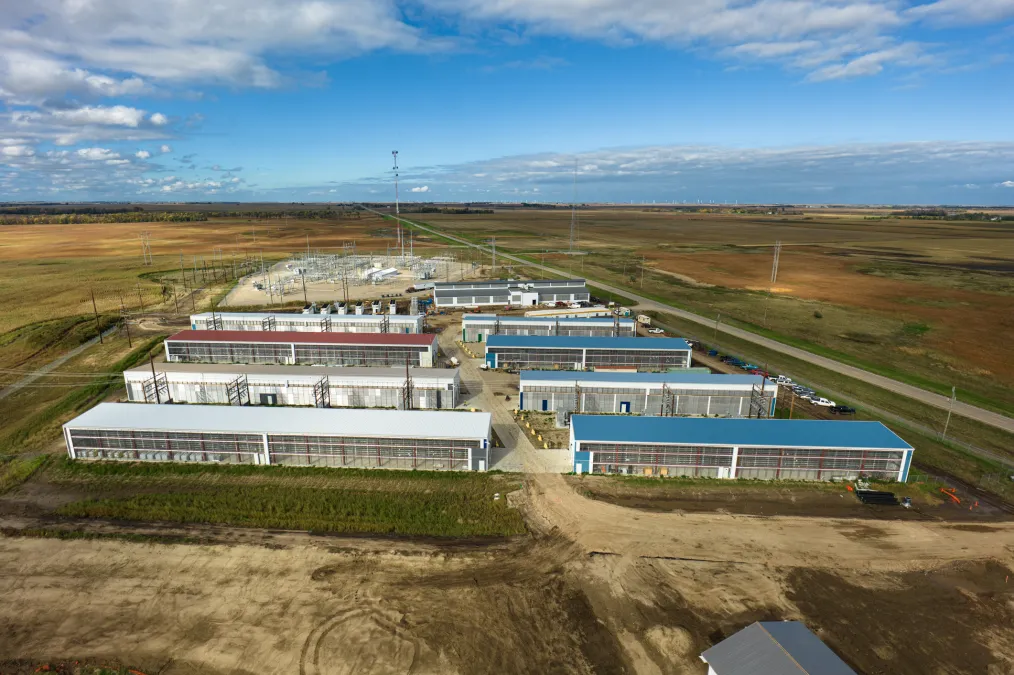
The rush to scale for AI infrastructure has a physical footprint on society. AI data centers require major amounts of energy and water for cooling. The number of data centers built each year continues to roughly double, straining power grids and raising carbon emissions. These new facilities are built on farmland and in rural communities, reshaping the land use and, in some cases, isolating the people who live there.
Hidden behind the energy bill is the human labor needed to run these new facilities. Behind every AI system is a large workforce that manages the facility manually. This manual work includes labeling data, reviewing flagged content, and filtering out dangerous material before it reaches the public. This work is essential to keep AI systems high-functioning and safe for the public. But these workers are underpaid and largely invisible to people who use the product.
History does not suggest we abandon the AI revolution; rather, it suggests we should expect the excess and prepare for it. This means building accountability behind how data centers are powered, how labor is compensated and protected, and how capital is allocated productively. The revolution will reshape society only if we build guardrails to prevent costs from becoming permanent.