The Fed’s Complicated Path Forward
The U.S. economy delivered another sign that it is coming back to reality. While investors entered the week focused on slowing growth, the labor market once again surprised people, complicating expectations for Fed Policy in the second half of 2026.
The headline came this morning (6/5) with the release of the May jobs report. Payrolls increased by 172,000, nearly double consensus expectations of 85,000 jobs. Meanwhile, the unemployment rate remained steady at 4.3%. Looking at both of these, the report painted a picture of a labor market that continues to absorb workers despite high interest rates, persistent inflationary pressures, and geopolitical uncertainty.
Although it’s good news, it isn’t necessarily the best for the markets. Investors have spent much of the year anticipating that the Federal Reserve would eventually resume rate cuts as economic growth cooled. Instead, this employment report reinforced the view that the labor market remains too strong for policymakers to aggressively ease monetary policy. Treasury yields rose immediately following the release as traders reduced expectations for near-term rate cuts.
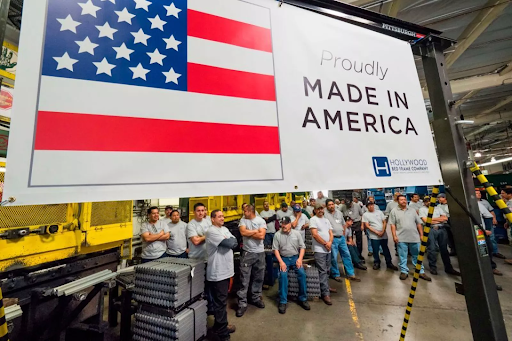
The broader macro story this week was the continued tension between growth and inflation. Labor market data continues to show a slow hiring environment. Businesses appear reluctant to expand aggressively, but they are also hesitant to lay off workers after several years of labor shortage
This creates a challenge for the new Fed chair, Kevin Warsh, ahead of the June meeting. Inflation remains above the Fed’s long-run target, while economic growth has not weakened enough to justify substantial easing. As a result, policymakers increasingly appear inclined to maintain current rates and wait for additional evidence that inflation is moving substantially lower.
Outside of economic news in the U.S., developments in global tensions remained a big topic of discussion. Continued fighting in the Middle East has contributed to elevated energy prices and renewed concerns about supply-side inflation. Higher oil prices pose a potential challenge for both consumers and policymakers, particularly if they begin to feed through into broader inflation measures over the summer.
From a market perspective, this week’s news has reinforced what has already been happening in 2026: the U.S. economy is slowing. Growth is no longer running as fast as it did post-pandemic, yet the labor market remains resilient. For bond investors, this means the Fed may keep rates higher for longer than many had hoped.
As we approach the next Fed meeting later this month, investors will focus on inflation data and wage growth for clues about the next policy move.