Strong Headlines, Frozen Market: The Two Realities of May's Jobs Report
The United States added 172,000 jobs in May, nearly double what economists expected. The unemployment rate held steady at 4.3%, and Corporate profits are surging. On the surface, the labor market looks steady and easy-going, but the reality underneath is a little more complicated.
The May jobs report, released on June 5th, effectively buried the labor-market anxiety that had dominated 2025. Last year, the U.S. economy added an average of 100,000 jobs per month, prompting the Federal Reserve to cut interest rates three times (The Economist). That stat now reads like a relic. Average monthly payroll growth over the past three months has climbed to 188,000, and upward revisions for March and April quietly added another 93,000 jobs to the books (BLS).
The gains are broader than they appear. Leisure and hospitality added 70,000 jobs, and construction added 17,000. Strong corporate earnings are doing a lot of the heavy lifting: 85% of S&P 500 companies beat analyst expectations in the first quarter, the highest share in nearly five years, giving employers the breathing room to keep hiring (CBS News).
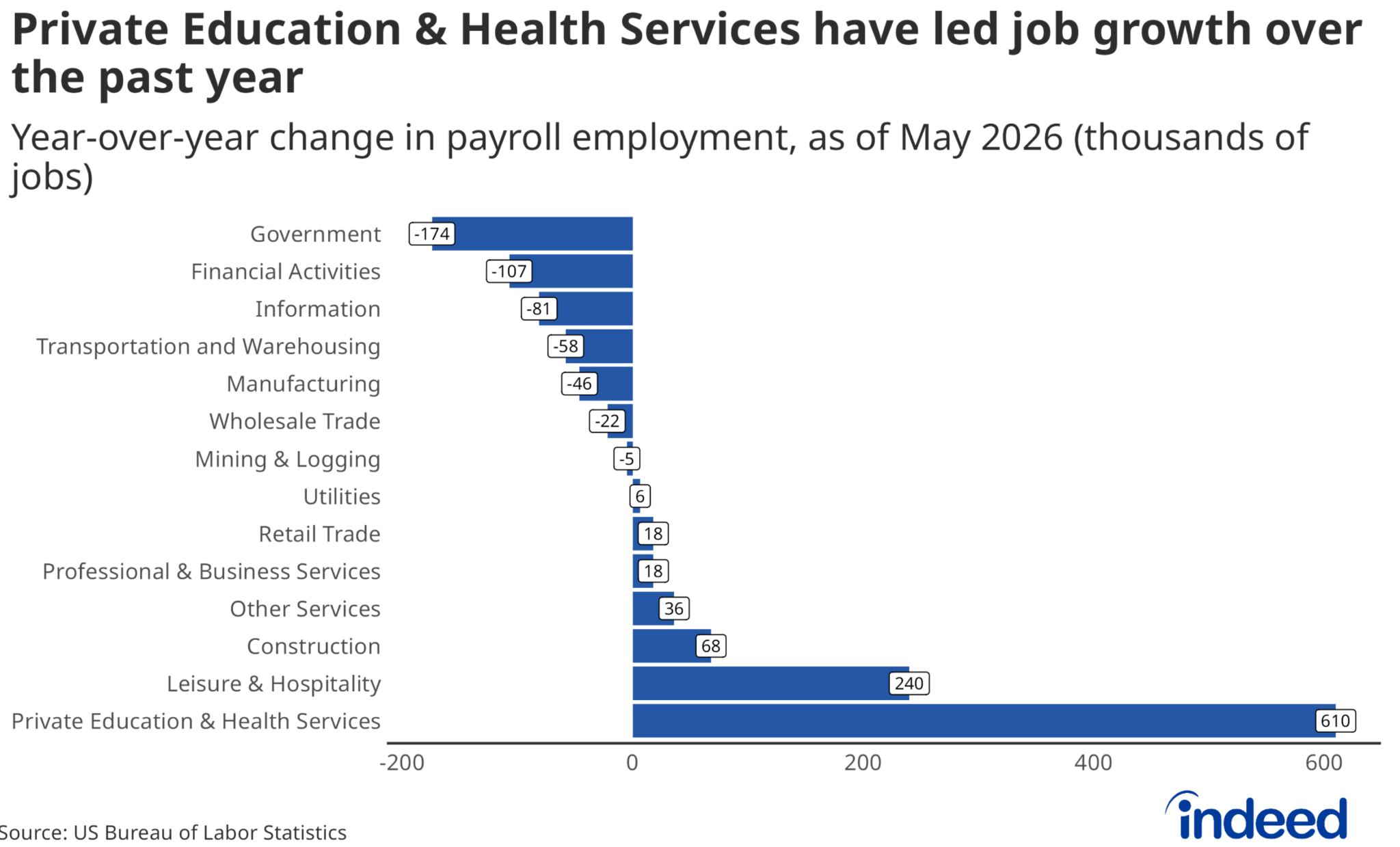
But the headline number is only part of the story. America's worker supply has been squeezed simultaneously by an aging population and by the administration's immigration crackdown. The Brookings Institution estimates net migration turned negative in 2025 for the first time in at least half a century, and expects the same again in 2026 (The Economist). What that means practically is that the bar for "strong" job growth has been dramatically lowered. With the labor force shrinking, the pace of job creation needed just to keep unemployment stable may be close to zero this year. In that context, 172,000 hits are different from what they used to be.
Beneath the headline, real weaknesses remain. The hiring and quitting rates are both depressed; workers who might otherwise jump to something better are staying put because opportunities simply aren't there. Government and financial services have shed a combined 281,000 jobs over the past year (CBS News). Companies have announced nearly 50,000 AI-attributed layoffs so far in 2026, about 17% of all announced job cuts, with tech leading the way (CBS News). Whether AI is genuinely the cause or a convenient cover story remains a subject of debate among economists, but the trend is real enough to watch.
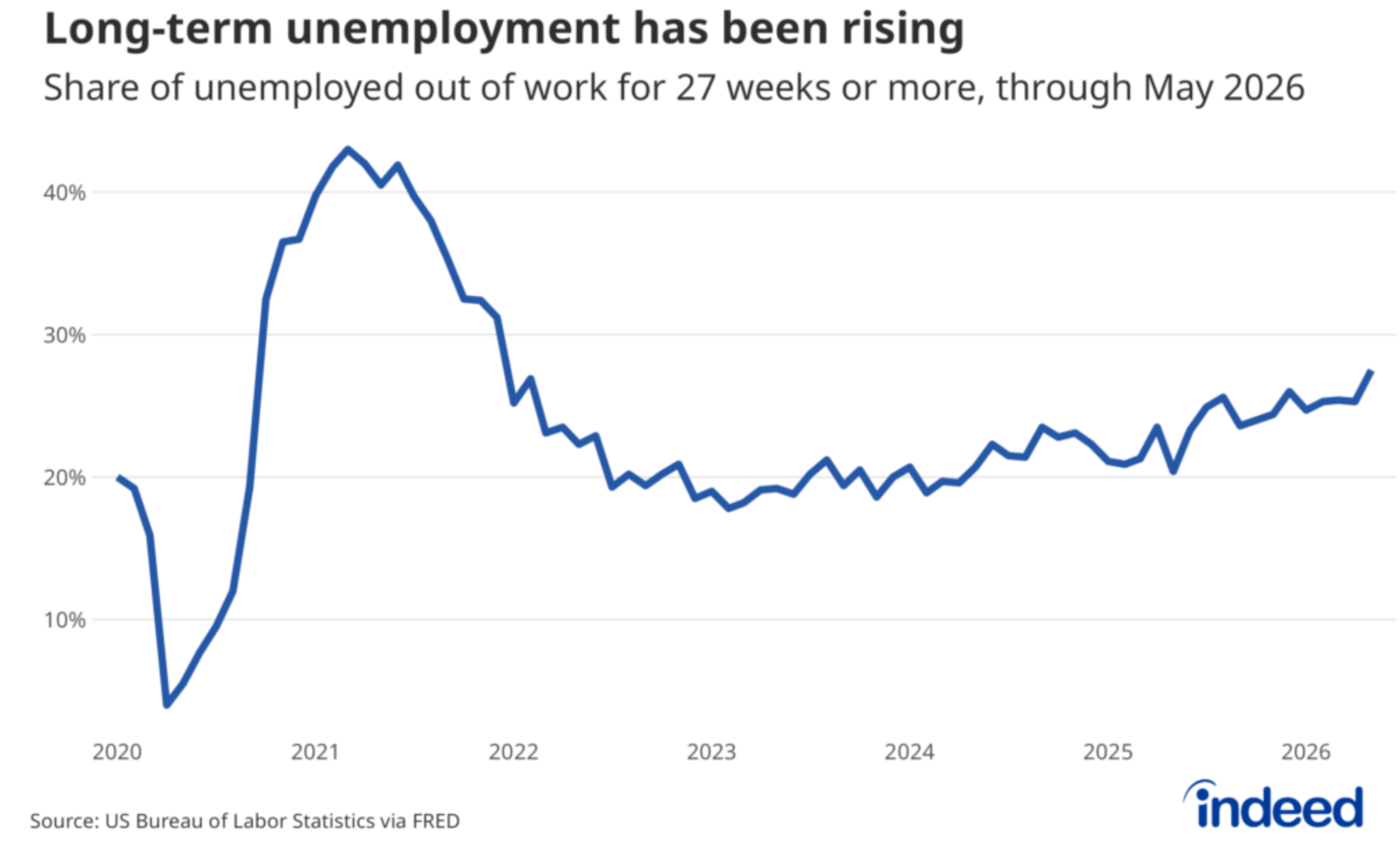
The bigger tension, though, is between the jobs picture and the Federal Reserve. The Fed's preferred inflation measure rose 3.8% in the year through April, above target for five straight years. At the April meeting, three officials already dissented in favor of dropping the central bank's easing bias. That was before this report landed (The Economist).
That puts new Fed chairman Kevin Warsh in an awkward spot heading into his first policy meeting on June 16th. The labor market offers almost zero justification for rate cuts. With inflation sticky and job gains running above breakeven, the real question may no longer be when to cut, but when to raise.