SpaceX's IPO Is Playing by Its Own Rules
Overview & Background
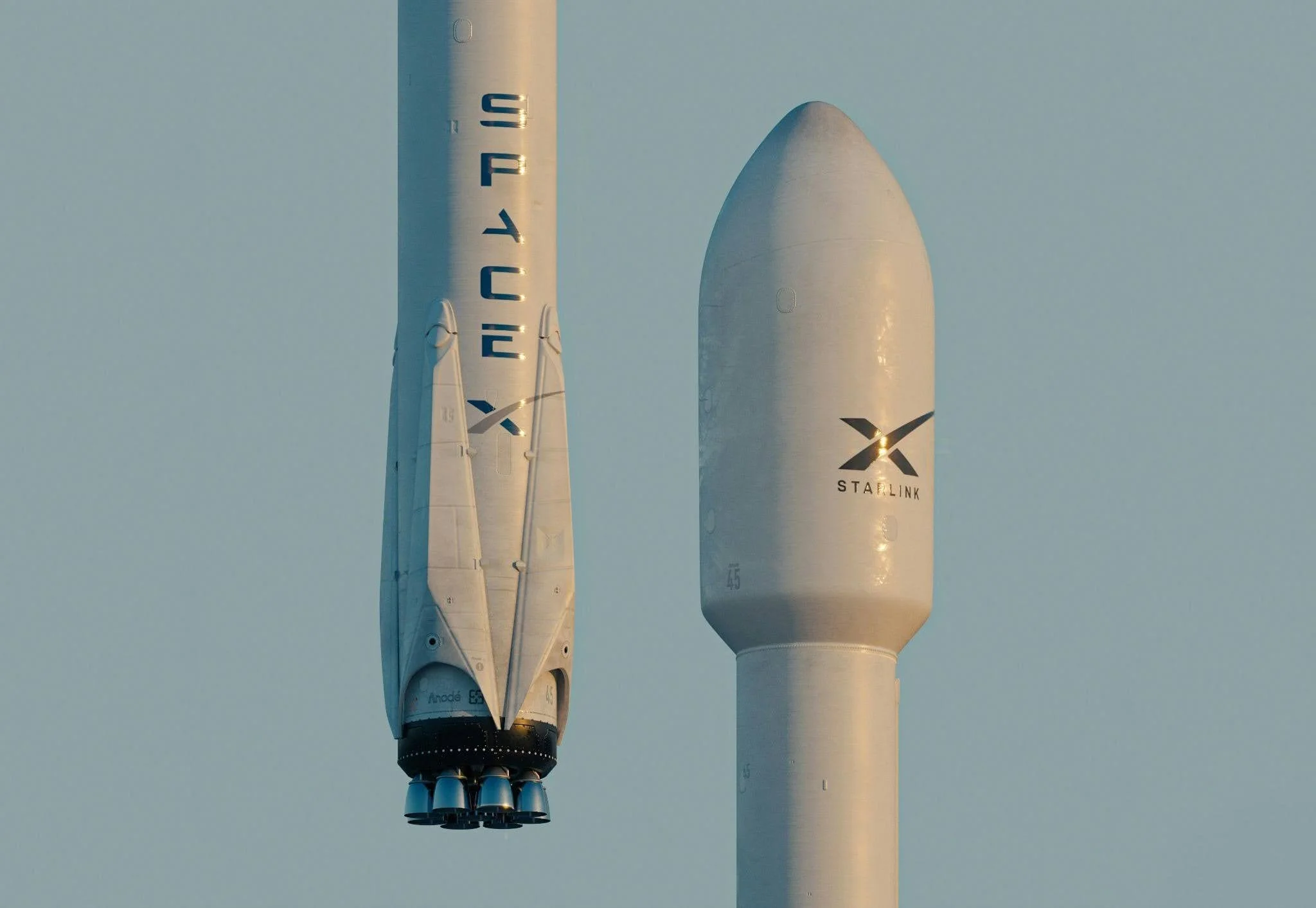
When a company goes public, it joins Wall Street’s ecosystem of index funds and ETFs. The U.S. Markets have seen some significant Initial Public Offerings (IPOs) in the past century, but the SpaceX IPO will be unlike anything seen before. SpaceX, Elon Musk’s aerospace company, was founded in 2002, and its public offering is projected to be twice the size of any prior IPO. This public offering is so large and economically powerful that Wall Street organizations are bending their own rules to accommodate it. Elon Musk's initial goal for SpaceX was to make space travel more affordable, and a larger goal was to colonize Mars. In the past two decades, it has grown into a more diverse company; now, more than half of its revenue comes from Starlink, a satellite internet provider, and it is expanding its AI infrastructure. SpaceX is expected to be valued at least $1.8 trillion, making it one of the most valuable companies in public markets. Investors are paying a huge premium relative to what SpaceX actually earns today. This high valuation indicates that investors believe the company's future is bright and are taking a risky bet on Musk and his business. (Bloomberg)
Analysis
The most significant aspect of SpaceX’s market power is not its valuation – it is how index providers respond to it. Indexes are lists of stocks grouped by certain rules. For example, the S&P 500 comprises the 500 largest companies in the United States. Funds containing trillions of dollars automatically buy every stock on these indexes. Being added to an index means a flood of investment. It takes months for newly listed companies to become eligible because share prices need time to stabilize after an IPO.
SpaceX is bending the rules as indexes are giving SpaceX exceptions to join at a faster pace. For instance, Nasdaq changed its rules to allow SpaceX to join the Nasdaq-100 in just 15 trading days, down from the three-month minimum. Also, FTSE Russell reduced its wait to just five trading days, and the S&P is considering a similar change. Indexes were built to track markets, but now are being pressured to accommodate companies that are too big to ignore. (Bloomberg)
The index providers' reactions and valuation price are not the only ways SpaceX is changing the game – on the investor side, they are departing from a traditional IPO playbook. Usually, during an IPO, the bulk of allocations are reserved for institutional investors, hedge funds, and asset managers; retail investors drive the price after the fact. SpaceX reserved up to 30% of the deal for everyday retail investors, potentially $22.5 billion. This suggests Musk believes his fan base to be a reliable buyer. (Bloomberg)
What’s at Stake
With OpenAI and Anthropic eyeing their own listings, SpaceX’s outcome will help set the tone for what happens with the other companies. The success of SpaceX will indicate that private companies can go public on such a massive scale. However, the failure of this company will help to permanently close the window of opportunity for other companies to follow. SpaceX is valued at 93 times its sales revenue, which is 15x the Nasdaq 100’s sales ratio. Whether SpaceX delivers with its high ambitions or not, it is clear that its economic power has Wall Street playing by its rules.