Oil Shock, Tariffs, and the Fed: Markets Caught in a Three-Way Squeeze
Oil Shock and Geopolitical Uncertainty
Stocks took a hit this week, and a lot of that comes back to oil. On Wednesday, Trump addressed the ongoing conflict with Iran, confirming the U.S. is not backing down, but offering no real sense of when or how the conflict will end. As you might expect, markets didn't take that lightly, to say the least. Oil jumped over $11 a barrel in a single day, the biggest one-day move we've seen since April 2020. Until there's more clarity on where this is headed, it's hard to see oil coming back down anytime soon, and that has a way of creeping into the cost of pretty much everything.
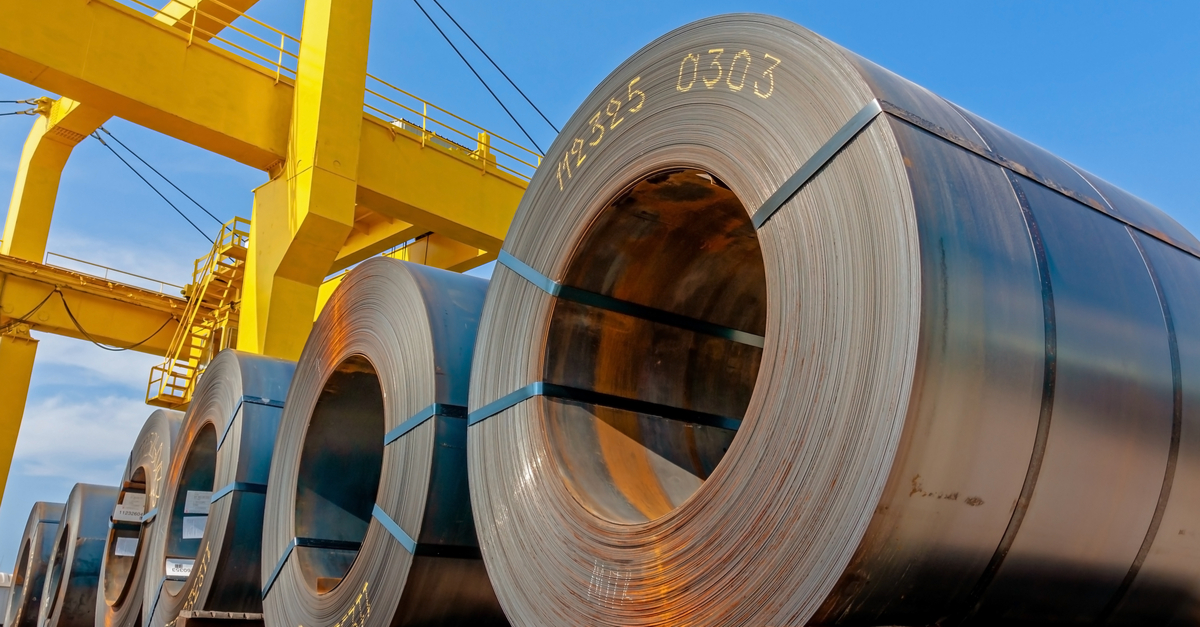
On the trade front, Trump also restructured how tariffs on steel, aluminum, and copper are applied. The new flat rate of 25% applies to any finished product that contains more than 15% of those metals by weight. These include washing machines, appliances, and gas ranges. Also, that 25% applies to the full value of the product, not just the metal inside it. Raw commodity imports, such as steel coils and aluminum sheets, remain at 50%. There are a few breaks built in: products made with fully American-sourced metals get a lower 10% rate, and anything with less than 15% metal content is off the hook entirely.
Monetary Policy
Interest rates were held steady again at the March meeting. The rate remained at 3.5%-3.75% for the second meeting in a row. The Iran crisis is making a strong case against moving them. The Fed has revised its projections to indicate only one rate cut this year. However, their inflation projections have been revised upward. The futures market now indicates a 60% chance that interest rates will remain unchanged for all of 2026. That’s up from the 5% chance that rates would remain unchanged in 2026 a month ago. There’s a chance that rate cuts will not happen anytime soon.
Why this is important for the United States is that interest rates will impact borrowing costs for the general public. Not just the financial sector, but everybody will be impacted by rate cuts.
There is some political noise at the Federal Reserve as well. Trump continued to call out Powell for the rate cut that “a third-grade student should know.” Powell’s term will end in May, and his successor, Kevin Warsh, is stuck in a Senate hold. The Federal Reserve is caught between the Iran crisis, inflation, the job market, and the political situation regarding leadership within the Fed. Essentially, they said as much as they know right now, that they don’t have enough information to make a decision on rate cuts. Given the multiple challenges they are facing, this is arguably the most honest answer they could provide.