A Narrow Strait, A Narrow Margin
It was a busy week for worldwide tensions. President Trump made headlines by sending additional U.S. military assets to the Middle East as tensions with Iran continue to simmer. He's given Iran a 10-day window to come to the table on a nuclear deal or the U.S. will take further action.
That kind of standoff has real consequences for the global economy. The Strait of Hormuz, a narrow waterway that handles roughly 20% of the world's oil trade, sits right in the middle of this flashpoint. If that passage were disrupted, oil prices would almost certainly spike. That means more inflation, fewer interest rate cuts, and consumers with less money in their pockets — all of which would put a real drag on economic growth.

Iranian Military Takes Part in Military Exercises
On the trade front, last year's numbers weren't pretty either. The U.S. imported $4.334 trillion in goods while exporting only $3.432 trillion, resulting in a trade deficit of about $901.5 billion. A lot of that import growth is being driven by technology equipment tied to the AI boom, which is worth keeping in mind. Heavy investment in AI infrastructure can look like economic weakness on paper, but it could pay off down the road.
Still, a lopsided trade picture does have consequences for workers. People in manufacturing and export-heavy industries could see fewer job opportunities if foreign competition intensifies. That said, the productivity gains from AI and advanced technology might eventually create new openings in higher-skilled fields.
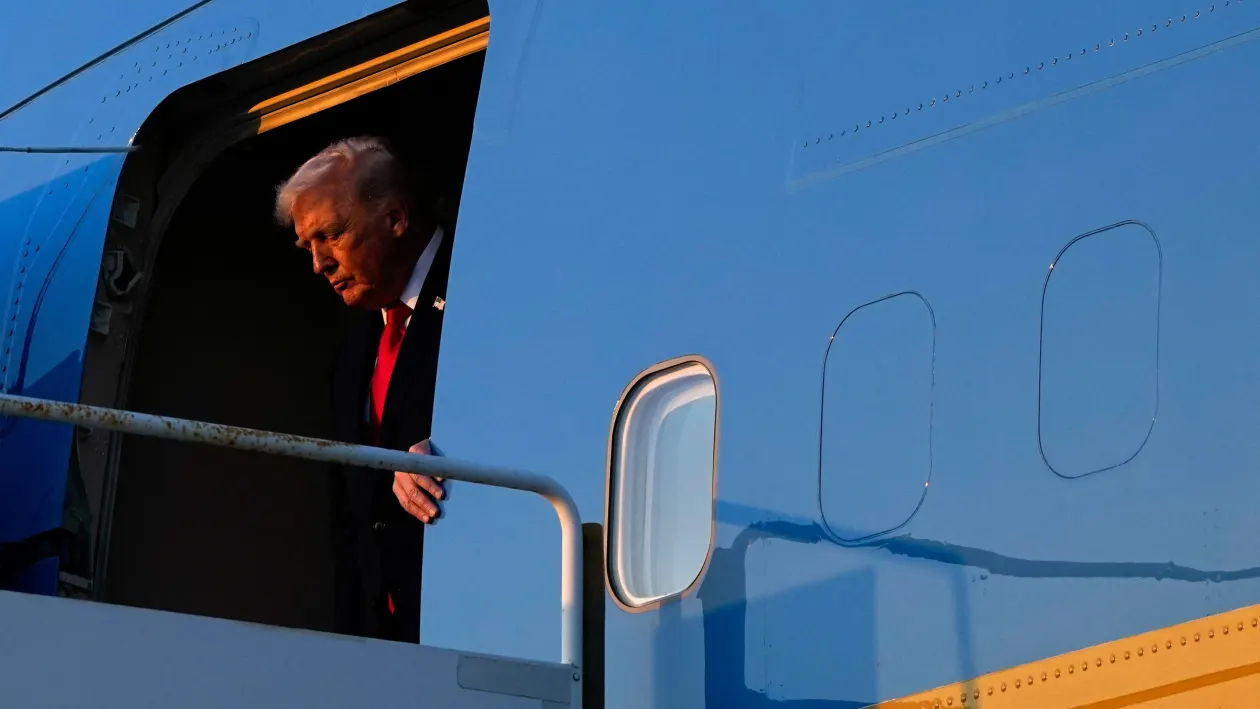
President Trump deplanes Air Force One
As for tariffs, the Trump administration is betting they'll help close the trade gap. But history suggests it's rarely that simple. Tariffs often raise prices for consumers or simply redirect trade flows, without making much of a dent in the deficit itself.
Maybe the most important thing to watch is how these two stories feed into one another. An oil price spike triggered by conflict in the Middle East would stoke inflation, simultaneously with tariffs already pushing consumer prices higher. This compounding effect would likely delay the Fed's rate cuts. The result would be a prolonged period of high prices and stalled rate cuts, hurting both businesses wanting to invest and consumers wanting to spend.
In short, the U.S. economy is navigating a minefield on two fronts, and the margin for error is shrinking as the midterms approach.